How Ancient Sculptures Lost Their Limbs
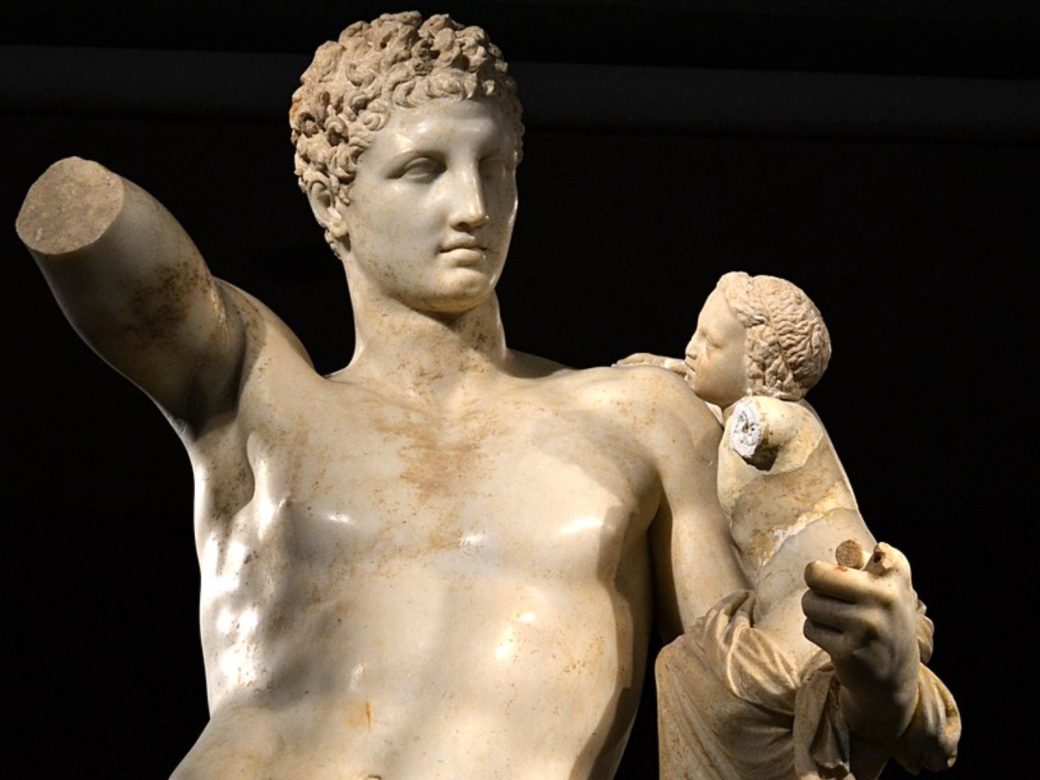
Walk through almost any major museum or city square, and sooner or later вы notice a familiar pattern: cracked torsos, chipped noses, hands or arms that simply aren’t there anymore. Although it looks dramatic, for many sculptures this is exactly what centuries of life out in the world do to them.
For ancient marble works, the explanation is often surprisingly mundane. Marble is durable, but not invincible. Constant temperature changes cause expansion and contraction. Acid rain slowly dissolves surface layers. Even a poorly placed metal rod inside a restored joint can corrode and cause a limb to snap decades later. Many of the fragments we see today broke off long after the sculpture was created, not during its original era.
One well-documented example is the collection of Greek sculptures recovered from the Athenian Acropolis. Conservation reports published by the Acropolis Museum note that much of the damage happened during centuries of exposure, earthquakes, and earlier, less careful restoration attempts. The same applies to countless Roman statues whose limbs were attached with mortise-and-tenon joints — secure for the time, but vulnerable over 2,000 years.
Damage to public sculptures is rarely sudden; it’s usually the slow accumulation of weather, material fatigue, and the way earlier generations handled restoration.
So when we see a missing hand or a softened face, it’s often the result of a long life outdoors rather than any dramatic historical event.
Why Wars, Looting, and Political Upheavals Destroyed Public Art
Weather may be relentless, but human beings have arguably done far more damage. Public sculptures have always been entangled with power, identity, and territory — which makes them vulnerable whenever those things shift.
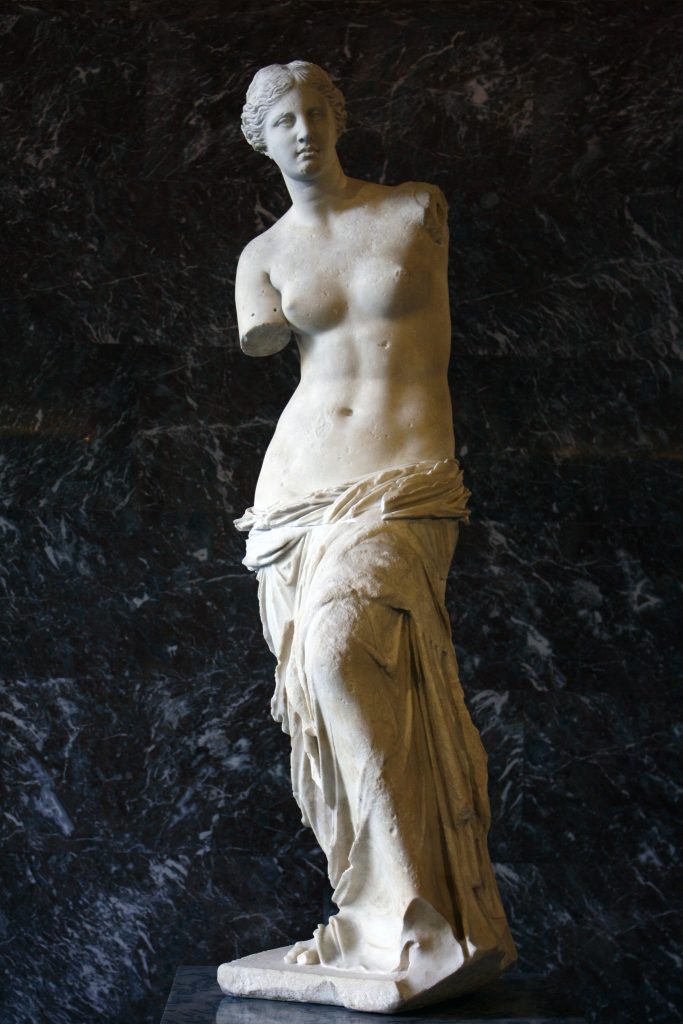
Historical accounts from the Parthenon Marbles to the statues of ancient Mesopotamia show a consistent pattern: invading armies topple monuments, rival political groups deface symbols of old regimes, and looters remove valuable parts to sell on the art market. The British Museum’s notes on classical sculptures, for instance, show how many arrived already damaged due to earlier conflicts or deliberate chipping meant to remove valuable metal attachments like bronze weapons or jewelry.
Even in more recent centuries, public works suffered during wars in Europe, the Middle East, and Asia. Statues in Warsaw, Berlin, Belgrade, and Beirut all carry scars — sometimes missing heads, sometimes missing entire sections — documented by municipal archives and post-war restoration reports.
In these cases, the absence of a piece is not a mystery. It’s a record of conflict left on stone or metal, a reminder that public art often stands on turbulent ground.
Restoration Choices: Why Experts Don’t Always Rebuild Missing Parts
Modern conservation may seem capable of fixing anything, but professionals rarely rush to “complete” a damaged sculpture. In fact, conservation guidelines from institutions like the International Council of Museums (ICOM) and UNESCO emphasize minimal intervention — meaning experts deliberately choose not to recreate missing limbs unless absolutely justified.
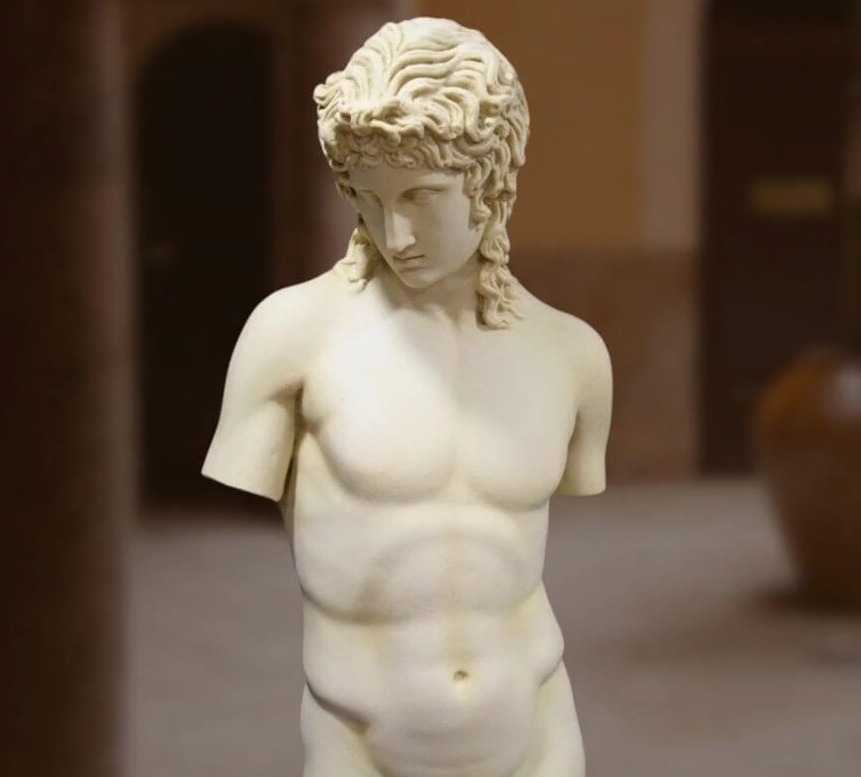
Why? Because a modern reconstruction risks distorting the original artist’s intent or misleading future viewers. A new marble arm, even if technically perfect, represents today’s interpretation, not historical reality. This is why many famous sculptures in the Louvre, the British Museum, and the Metropolitan Museum of Art retain their losses: the gaps are historically honest.
Leaving a sculpture incomplete is often a conscious ethical decision — a way to respect authenticity rather than create a polished illusion.
Some restorations that did attempt full reconstruction in previous centuries are today seen as overreaches. Nineteenth-century restorers, for instance, sometimes added entire limbs or attributes based on aesthetic preferences of the time. Modern conservators often reverse or critique these additions because they aren’t supported by firm evidence.
So the missing parts we see today can reflect not neglect, but thoughtful restraint.
Aesthetic Philosophy: How Incomplete Art Became a Cultural Statement
Something interesting happened in Western art during the 18th and 19th centuries: broken sculptures became fashionable. Collectors were drawn to the “noble fragment,” seeing beauty in partial survival. Writers and artists of the time described ancient torsos as more expressive precisely because they were incomplete. This shift in cultural taste helped cement our modern appreciation for damaged works.
When museums in Europe began showcasing ancient Greek and Roman fragments, the public imagination adapted. A broken statue came to represent endurance, history, and even mystery. Philosophers and art historians of the era, such as Johann Winckelmann, argued that ideal beauty could still shine through even if only parts of the original work survived. This idea deeply influenced museum culture up to today.
So the missing pieces are not just tolerated — they have become part of the visual language of classical art.
Modern Sculptures With Intentional Gaps: When Missing Parts Are the Message
Not all missing parts are accidents. Many contemporary artists deliberately create incomplete human forms to communicate vulnerability, fragmentation, or the passage of time. Sculptors like Igor Mitoraj (well-documented in European public collections) are known for monumental figures missing faces, arms, or entire sections — a stylistic choice reflecting themes of broken identity and memory.
In public spaces around the world, similar concepts appear: bodies without centers, silhouettes with voids, figures whose absence is part of the design. These works aren’t damaged; they’re speaking through omission.
In modern sculpture, what’s missing can matter as much as what’s present.
Understanding this helps explain the continuity: from ancient fragments preserved by time, to modern artworks shaped by intentional absence, missing parts carry meaning rather than simply marking loss.
Why People Still Feel Drawn to “Broken” Statues Today
Despite — or because of — their damage, incomplete sculptures captivate people. They feel human. They show vulnerability rather than perfection. Studies in museum interpretation (like those referenced by the Metropolitan Museum of Art’s conservation department) note that visitors often describe fragments as more emotionally resonant than fully restored pieces.
A sculpture missing parts invites imagination. It leaves space for the viewer, a whisper of what once was rather than a complete declaration. And because public art often survives through long, complicated histories, those absences become witnesses to time.
So when you see a statue without arms or a monument with a missing face, you’re not looking at failure. You’re looking at survival.