

The Origins Of Yellow Taxis: Early History
The story of yellow taxis begins in the early 20th century. In 1915, John Hertz, founder of the Yellow Cab Company in Chicago, chose yellow based on research suggesting it was the most noticeable color from a distance. Before this, taxis came in various colors with little standardization. Hertz’s decision was practical but also strategic—he wanted a fleet that could be instantly recognized amid bustling city streets. This early choice set a precedent, influencing the taxi industry not only in the United States but eventually worldwide. Cities seeking clear identification and branding often adopted yellow or other highly visible shades.
Historical accounts reveal that yellow wasn’t the only choice considered. Some companies experimented with red, green, or blue, but none achieved the level of recognition and safety benefits of yellow. The combination of psychology, marketing, and visibility turned yellow into the enduring standard for many urban centers.
Visibility And Safety Considerations
Visibility is a key reason yellow dominates taxi design. Studies show that bright yellow is among the easiest colors for the human eye to detect, especially in low-light or crowded conditions. A yellow taxi is more likely to be seen by pedestrians and other drivers, reducing accidents and enhancing safety. This practical benefit is universal—regardless of city, country, or continent, a bright yellow cab stands out against asphalt, urban clutter, and traffic congestion.
Furthermore, emergency situations and inclement weather conditions reinforce the need for high-visibility vehicles. Yellow’s contrast with common street colors improves recognition from a distance, ensuring passengers can identify taxis quickly. In a city environment where seconds matter, this advantage can translate into more efficient transport and safer navigation for both drivers and passengers.
Psychological Impact Of Color On Passengers
Color also carries psychological significance. Yellow evokes attention, energy, and optimism—qualities that align with a taxi’s purpose as a swift, helpful service. Passengers are more likely to notice a yellow vehicle, approach it confidently, and feel reassured about its legitimacy. The choice of color subtly communicates trustworthiness and reliability, factors critical in urban transport. In a busy street filled with vehicles, a yellow taxi sends an immediate visual signal: this is a service vehicle ready for hire.
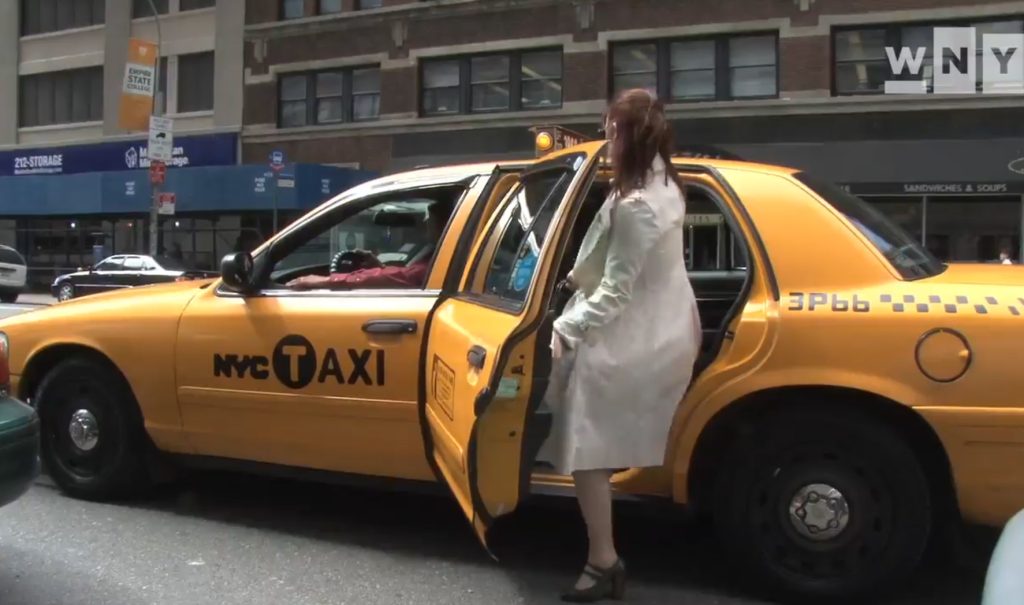
Research in human factors and transportation psychology supports the idea that color can influence human behavior. Bright, warm colors like yellow can reduce hesitation, prompt action, and create an impression of speed and accessibility. These benefits reinforce the practical rationale behind the widespread adoption of yellow taxis around the world.
Standardization And Branding In Urban Transport
Beyond visibility, yellow functions as a branding tool. Standardization simplifies identification, regulation, and enforcement. City authorities often adopt color schemes to distinguish licensed taxis from private vehicles, rideshares, or other transport modes. Yellow provides a uniform visual language, reducing confusion and improving compliance. For taxi companies, yellow fleets offer marketing advantages as well, creating instant recognition and a consistent brand identity across urban landscapes.
In many global cities, the association of yellow with taxis is so strong that alternative services sometimes emulate the color or integrate yellow accents to suggest legitimacy. The combination of public perception and regulatory frameworks has cemented yellow as the symbolic color for taxis in both historical and contemporary contexts.
Economic And Practical Reasons For Color Choice
Choosing yellow also has economic logic. Paint that maximizes visibility can reduce liability and insurance costs by minimizing accidents. Yellow vehicles are easier to maintain in terms of visibility—dents, scratches, or minor dirt are less likely to compromise recognition. For operators, these advantages translate into practical efficiencies. Moreover, color consistency simplifies fleet maintenance, resale, and operational management.
Overall, yellow taxis offer a balance between practical performance and operational economics. Companies can benefit from safer, more easily identified vehicles without significant additional expense, reinforcing the decision to maintain yellow as the dominant color.
Global Variations And Local Adaptations
While yellow dominates in North America and parts of Europe, other regions adapt color strategies to local contexts. In India, black-and-yellow taxis remain iconic, while London uses the classic black cab, and some Asian cities opt for vibrant colors or multi-colored schemes. Despite these variations, the principle remains: high-visibility, recognizable vehicles enhance safety and service efficiency. Yellow often emerges as the optimal solution due to its universal visibility and historical precedence.
Yellow taxis endure as a global standard because they combine visibility, safety, psychological appeal, and operational efficiency in a single, striking color.
Ultimately, the global presence of yellow taxis reflects a blend of tradition, practical visibility, psychological effect, and branding. It’s a design choice rooted in decades of experience, research, and urban necessity.