The Emotional Pull of Physical Music Formats
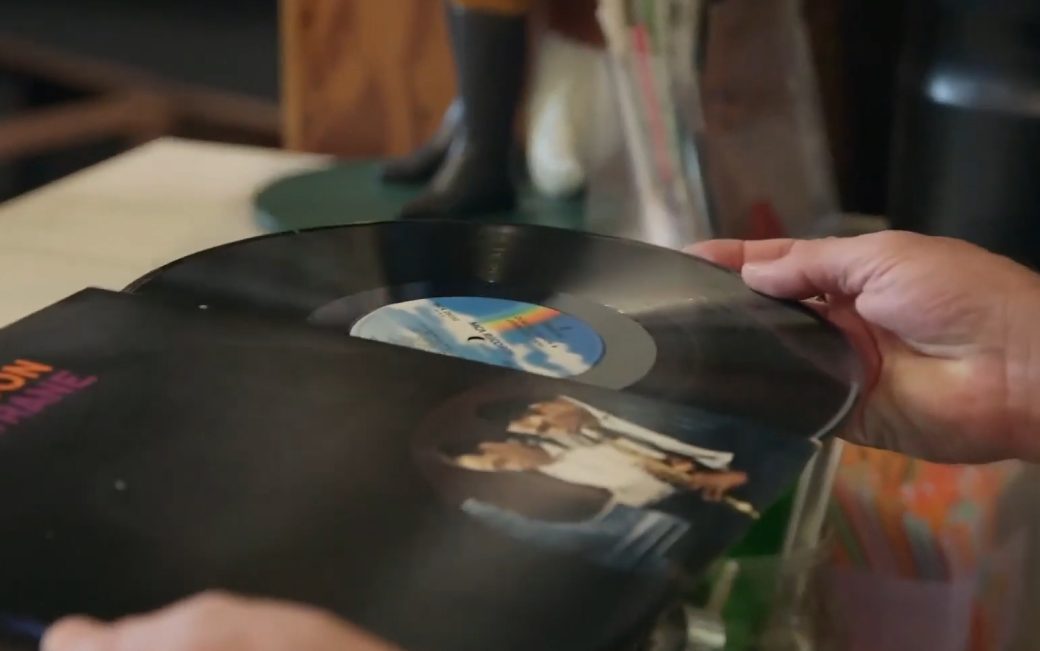
There is something undeniably human about holding music in your hands. Even in a world overflowing with streaming platforms, algorithmic recommendations, and nearly unlimited access to songs, many listeners still feel a deeper connection to music when it exists as a physical object. Vintage vinyl carries weight — literally and emotionally. People often describe the sensation of pulling a record from its sleeve as a small ceremony, one that places the listener at the center rather than the background of the experience. It contrasts sharply with digital listening, where songs become an invisible utility rather than a moment to savor.
For many collectors, the appeal begins with the tactile nature of vinyl. The grooves, the artwork, the texture of old cardboard sleeves — they create a multisensory interaction that digital files simply can’t reproduce. Research from the University of Oslo on embodied music interaction has shown that physical engagement with music media can enhance the emotional impact of listening. The act of flipping a record or lowering the needle becomes part of the musical experience itself, creating a bond between the listener and the recording. This physical involvement—slow, deliberate, and intentional—invites a different kind of attention than tapping a touchscreen.
There is also an emotional layer connected to ownership. Many collectors talk about how digital music feels temporary, even disposable, while vinyl feels anchored in the real world. A record occupies space in your home, and that presence turns music into a companion rather than a background service. This emotional “weight” is one of the main reasons people still hunt for vintage pressings decades after their release. The format transforms music from something you scroll through into something you live with.
How Nostalgia Shapes the Appeal of Vintage Vinyl
Nostalgia is one of the strongest motivators behind vinyl collecting, but not only for people who grew up with the format. Younger listeners — many of whom have never owned a CD player — often describe vinyl as a way of connecting with a time they never lived through. According to data from the British Phonographic Industry (BPI), a significant share of modern vinyl buyers in the UK are under 35, proving that nostalgia is not limited to firsthand memories. Instead, it often reflects a desire for a slower, less digital form of cultural experience.
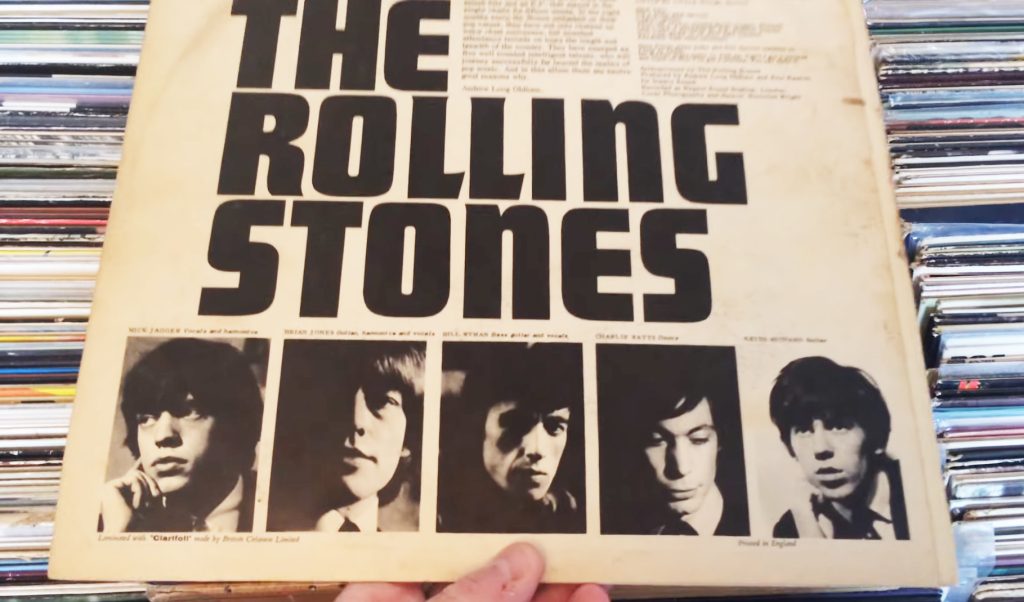
Vintage records also carry the history of previous listeners. A worn sleeve, handwritten notes, or a slightly crackling intro can remind collectors that the object has lived a life before reaching their hands. This emotional layering makes vinyl feel like a bridge between generations. It’s not uncommon for people to recall stories of parents or grandparents who listened to specific albums, connecting personal memories with broader musical eras. In this way, vinyl becomes a shared cultural memory, not just an individual hobby.
Psychologists studying nostalgia, such as Constantine Sedikides at the University of Southampton, have noted that nostalgic experiences often strengthen a sense of identity and emotional continuity. Vinyl fits naturally into this framework: it allows listeners to form a connection with a past that feels stable, warm, and tangible. That emotional grounding can be especially appealing in a time when music consumption is fast, disposable, and constantly shifting. Vinyl offers a moment of stillness and continuity in a fast-moving culture.
Sound Quality, Rituals, and the “Slow Listening” Movement
Many collectors point to sound quality as one of their main motivations. While the debate about vinyl versus digital audio is complex, it’s true that vinyl offers a distinct listening experience. Analog recordings capture continuous sound waves, and many enthusiasts argue that this creates a sense of warmth and presence that digital formats can lack. Studies from the Audio Engineering Society show that sound preference often depends not only on measurable fidelity but on subjective perception — and vinyl’s slight imperfections, such as surface noise, can enhance the feeling of intimacy for some listeners.
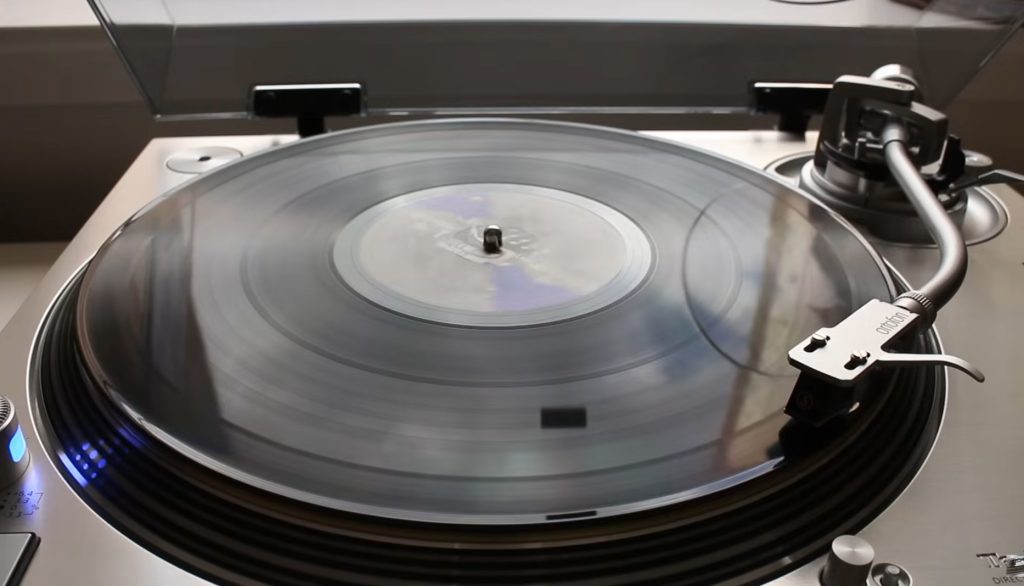
Equally important is the ritual surrounding vinyl playback. Choosing a record, cleaning it, placing it on the turntable, lowering the needle — these small actions encourage a slower, more focused approach to listening. This “slow listening” movement mirrors similar trends in slow food, mindful living, and analog photography. People are increasingly seeking out intentional experiences to counterbalance digital overload, and vinyl naturally fits this mindset. It forces the listener to be present, to sit down, to commit to the album rather than shuffle through endless tracks.
Collectors often describe the experience as grounding. Unlike streaming, which promotes fragmented attention, vinyl encourages listening to full albums, understanding artistic intent, and reconnecting with music as a narrative form. This shift in mindset transforms listening from a passive habit into a meaningful cultural practice. It’s less about nostalgia and more about reclaiming depth in an era of hyper-efficiency.
Cultural Identity, Social Signaling, and Music Communities
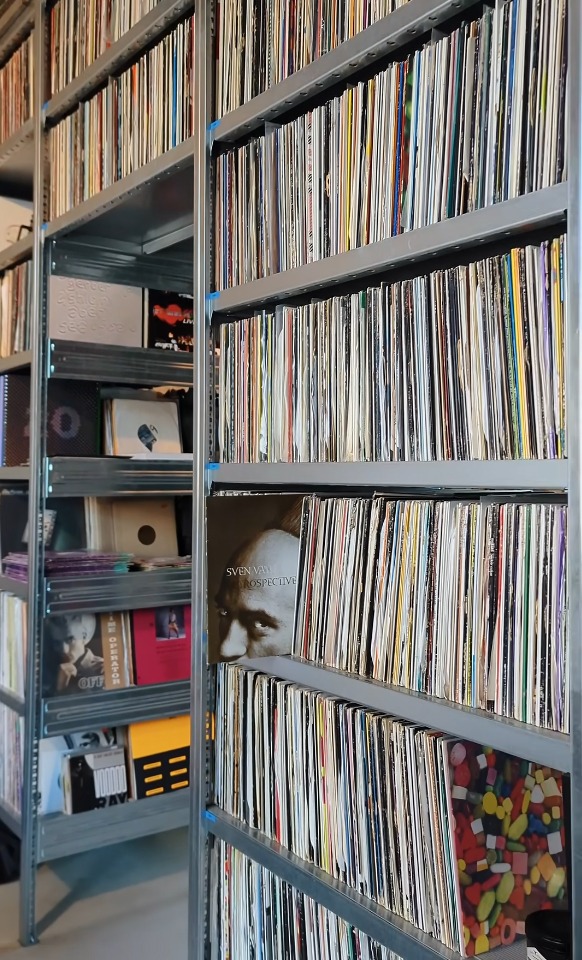
Collecting vinyl is also a form of cultural expression. For some, their shelves of records serve as a personal archive of taste — a way to show who they are, what matters to them, and how their musical identity has evolved. In digital environments, playlists are invisible unless shared intentionally. Vinyl, by contrast, becomes part of the home environment, visible to friends, family, and guests. Sociologists who study consumer behavior have noted that physical media often functions as symbolic capital: a way of demonstrating knowledge, passion, or authenticity within a community.
The community aspect is crucial. Record stores remain cultural hubs in many cities, from London’s Rough Trade to Amoeba Music in Los Angeles. They are places where conversations happen, where recommendations are shared, and where collectors discover rare pressings or local releases. These social spaces create a sense of belonging that digital music ecosystems rarely reproduce. Even online communities like Discogs — one of the largest vinyl marketplaces — reflect the same culture of sharing, cataloging, and preserving musical history.
For many people, collecting vinyl becomes part of their identity rather than simply a hobby. It connects them to others who share the same passion and feels more meaningful than algorithm-driven music discovery. That sense of connection explains why vinyl remains culturally resilient even during economic downturns and technological shifts.
Preservation, Rarity, and Why Vinyl Becomes a Cultural Artifact
Vintage records often hold historical significance. For archivists, DJs, and dedicated collectors, vinyl is a way to preserve musical heritage. Some recordings — particularly niche genres, older regional scenes, or small independent labels — were never reissued digitally. Without collectors, many of these cultural fragments might disappear entirely. Institutions such as the Library of Congress in the United States maintain extensive vinyl archives for precisely this reason: certain music exists only on original pressings.
Rarity also drives collecting behavior. First pressings, limited editions, or records with unique mastering differences can hold both monetary and cultural value. The resale market reflects this: Discogs regularly reports large price disparities between standard editions and rare early pressings. But for many collectors, rarity is not about investment. Instead, it’s about the feeling of rescuing something fragile, preserving a moment in musical history before it’s lost. This archivist instinct is a major part of why people continue to search dusty crates in secondhand stores, flea markets, and estate sales.
Vintage vinyl becomes an artifact — a snapshot of sound, culture, design, and technology from a particular moment in time. Holding a record from the 1960s or 1970s is not just about listening to music; it’s about witnessing the aesthetics and cultural values of that decade. That historical connection is something digital files simply cannot replicate.
The Resurgence of Vinyl in the Digital Age and What It Means Today
The modern vinyl revival is well documented. According to the Recording Industry Association of America (RIAA), vinyl sales in the United States have been growing steadily for more than a decade and surpassed CD sales in 2020 for the first time since the 1980s. Similar trends have appeared in the UK, Canada, Germany, and Australia. This resurgence is not merely a nostalgic fad — it reflects a shift in how people want to engage with culture.
In an era where almost everything is streamed, compressed, and delivered instantly, vinyl offers the opposite: patience, texture, and imperfection. The revival shows that many listeners crave deeper forms of engagement with music. It also reflects a broader cultural movement toward analog experiences: film cameras, printed books, handmade goods. Vinyl sits comfortably within this trend, serving as a reminder that cultural artifacts retain power even in a hyper-digital world.
For those who collect vintage records, the format represents more than a way to listen to music. It is a connection to identity, history, and community — a way of grounding oneself in something tangible. The question is no longer why some people collect vinyl, but why this analog ritual continues to resonate so strongly. In the end, records remind us that culture is most meaningful when it’s lived, touched, and shared.