Why Battery Life Matters More Than Horsepower
When you think about electric cars, you might picture speed, quiet engines, and futuristic dashboards. But under all that design lies a single question that defines every EV: how long will the battery last? Battery life isn’t just about mileage — it’s about chemistry, temperature, and time. The lifespan of a lithium-ion battery directly determines the car’s value, reliability, and even its environmental footprint.
Manufacturers have learned that battery health is the new horsepower. Instead of focusing only on performance, engineers design systems that balance charge, heat, and usage. Each battery cell ages differently, and the car’s software constantly monitors their condition — adjusting how power flows to keep everything balanced. When done right, the driver never notices the magic happening underneath.
“Managing battery health is like managing a heartbeat — constant, invisible, and essential,” says Dr. Louise Grant, a materials scientist at the University of Toronto.
Smart Energy Management: The Car’s Invisible Brain
Every electric car has a built-in Battery Management System (BMS), a kind of invisible brain that keeps the battery healthy. It monitors voltage, current, and temperature across hundreds of individual cells, ensuring none are overcharged or overheated. This system decides when to send energy to the motor, when to recover it, and when to hold back to prevent wear. Think of it as a guardian angel that watches every chemical reaction in real time.
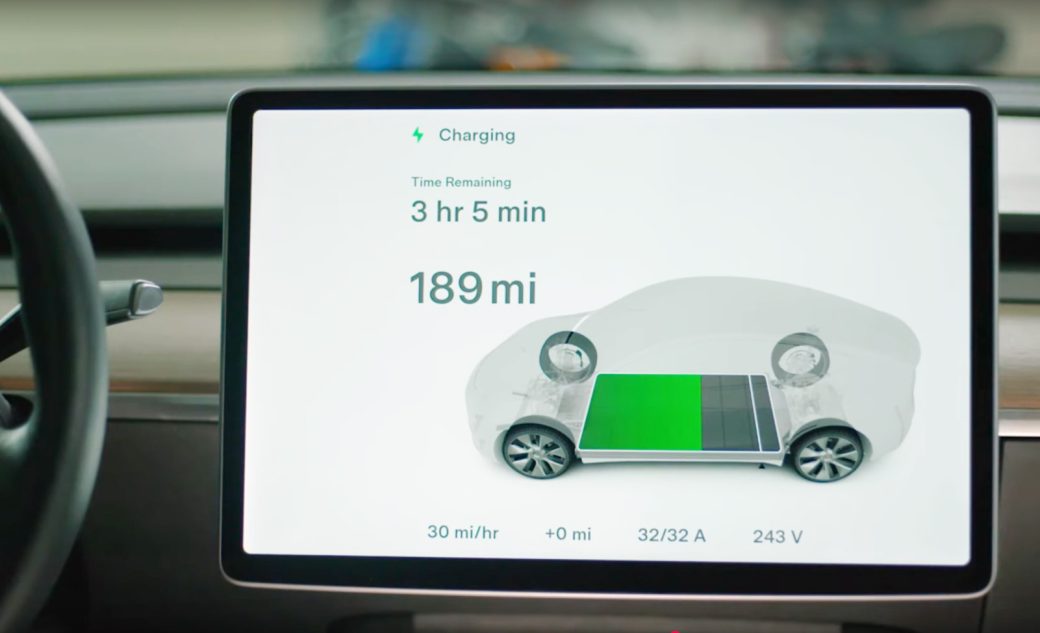
The BMS also communicates with the car’s charger and motor controller. When you plug in your vehicle, it doesn’t just “fill up” — it negotiates how much energy to take, how fast, and at what temperature. The goal isn’t to charge as quickly as possible but to do so safely and evenly. That’s why modern EVs often slow down the charge after 80%: it’s a protective measure, not a flaw.
Regenerative Braking — Turning Motion Into Energy
One of the smartest tricks in EV design is regenerative braking. Instead of wasting energy as heat, electric cars turn momentum back into electricity. When you take your foot off the accelerator, the motor switches roles and acts as a generator, sending power back into the battery. It’s like capturing the energy of slowing down and saving it for later.
Regeneration not only extends driving range but also reduces strain on the battery. Less energy is wasted, and the car doesn’t need to draw as much power from the cells during acceleration. In stop-and-go city driving, this system can recover up to 20% of the total energy — enough to make a noticeable difference over time.
“It feels small, but every gentle stop adds up to hundreds of extra kilometers over a year,” notes Tesla’s engineering blog.
Temperature Control and the Chemistry of Longevity
Heat is the silent enemy of lithium-ion batteries. Whether from fast charging, hard acceleration, or high summer temperatures, excess heat accelerates chemical degradation inside the cells. That’s why EVs have complex thermal management systems — networks of coolant channels, fans, and heat pumps that maintain the battery’s “comfort zone,” usually around 20–30°C.
In cold weather, the opposite problem appears: the battery becomes sluggish and less efficient. Smart systems preheat cells before charging to prevent lithium plating — a microscopic process that can permanently reduce capacity. Some vehicles even use waste heat from the motor to keep the battery warm during winter drives. These temperature controls may not be visible, but they are the difference between a battery that lasts eight years and one that lasts fifteen.
Software Updates and the Role of Artificial Intelligence
Electric cars aren’t static machines; they evolve through software. Over-the-air updates can improve how a battery charges or balances itself. For instance, some EVs receive updates that refine how energy is distributed across cells, reducing stress on older ones. Artificial intelligence also plays an increasing role, learning from driving habits and environmental conditions to predict when maintenance or recalibration is needed.
AI-driven prediction models are already used by companies like Rivian and Hyundai. These systems analyze millions of data points from real-world drivers, adjusting performance dynamically. The result? A car that “ages” gracefully — adapting its behavior as the battery chemistry changes over years of use.
What Drivers Can Do to Make Batteries Last Longer
While technology handles most of the heavy lifting, drivers still play a part in keeping their EV’s battery healthy. Simple habits make a big difference: avoiding frequent full charges, keeping the car in moderate temperatures, and using scheduled charging to prevent stress on the cells. Many carmakers even include “battery saver” modes that limit charging to 80%, designed for everyday use.
There’s also the psychological shift: treating the battery not like a fuel tank, but like a living system. It thrives on consistency and balance. Just as you wouldn’t redline an engine every day, a battery appreciates steady, predictable routines. The reward is a car that stays efficient for years — and a driver who understands the quiet intelligence behind every electric mile.