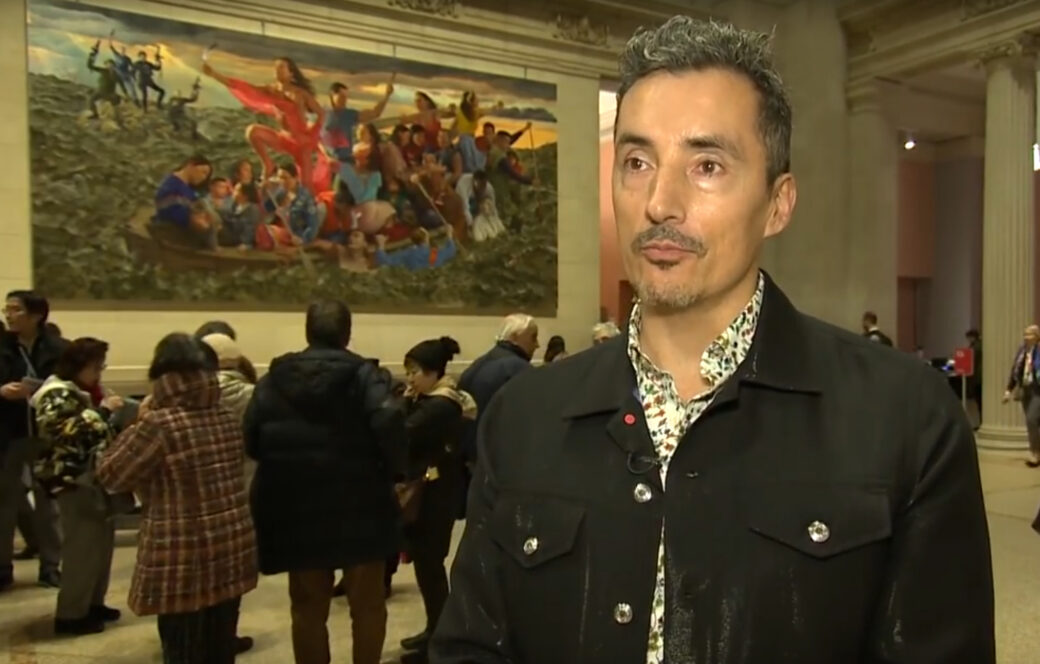
The new wave of Canadian art is not defined by a single style or location, but rather by a surge of diverse, socially conscious, and experimental artists across the country. From Toronto’s vibrant street art scene to Vancouver’s multimedia installations, and Montreal’s gallery-driven avant-garde, this movement blends local identity with global awareness. Artists like Kent Monkman, who reinterprets Indigenous narratives with a contemporary twist, or Shary Boyle, who combines sculpture and performance art, are emblematic of this wave. Collectives like Obsidian Coast in Halifax focus on digital art and immersive experiences, creating pieces that engage viewers directly rather than merely hanging on a wall. The movement thrives on collaboration, public engagement, and an eagerness to challenge traditional definitions of Canadian art.
Themes and Messages
At the heart of this new wave are themes that respond to contemporary Canadian society. Indigenous identity, environmental concerns, migration, and social justice are common threads. For example, Kent Monkman’s work explores colonial history and its ongoing impact, often with satirical and theatrical elements that provoke both discomfort and reflection. Meanwhile, artists like Geoffrey Farmer use mixed media to highlight ecological degradation, incorporating natural elements and found objects into installations that confront climate change directly. Immigration and multiculturalism are also central, with artists like Rana Hamadeh and newcomers from Toronto and Vancouver incorporating stories of displacement, belonging, and cultural hybridity. These artworks are not abstract for abstraction’s sake; they are explicitly rooted in social observation, political discourse, and environmental awareness.
Techniques and Mediums
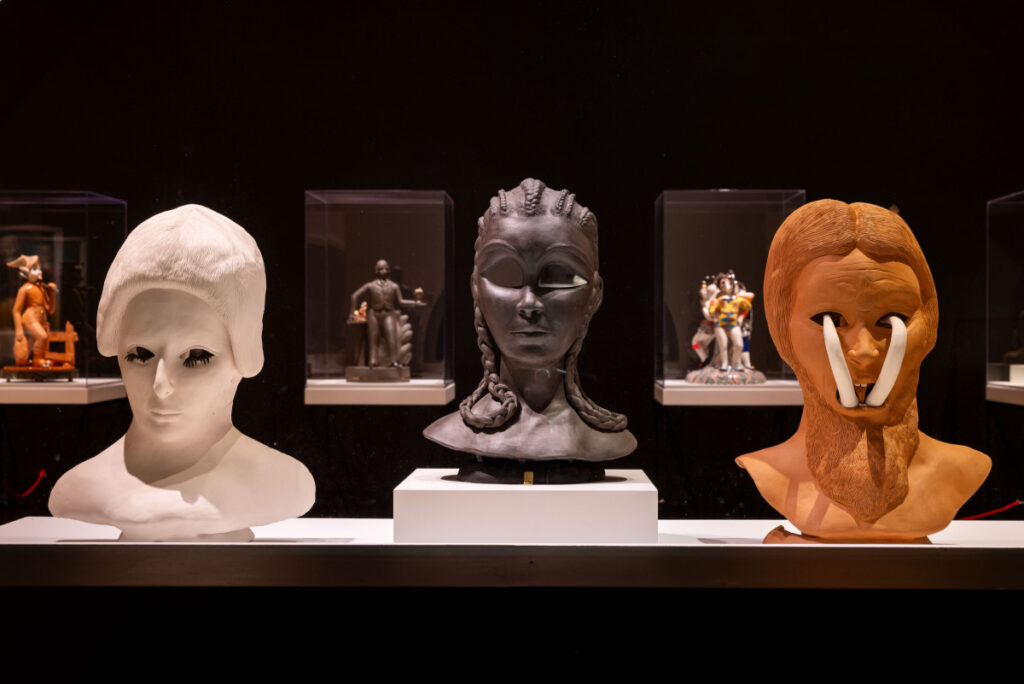
The new wave is notable for experimentation with materials and mediums. Beyond traditional painting and sculpture, Canadian artists are embracing digital technologies, augmented reality, and interactive installations. For instance, the Vancouver-based collective Jukebox uses projection mapping and soundscapes to create immersive environments that viewers can navigate physically, making art a participatory experience. Textile work, ceramics, and mixed media are combined in innovative ways, blurring boundaries between craft, fine art, and design. Even photography and video art are approached narratively, often incorporating performance elements that invite the audience into the story. This willingness to merge disciplines is a hallmark of the movement, reflecting both technological possibilities and a conceptual drive to challenge the art form itself.
Voices Behind the Art
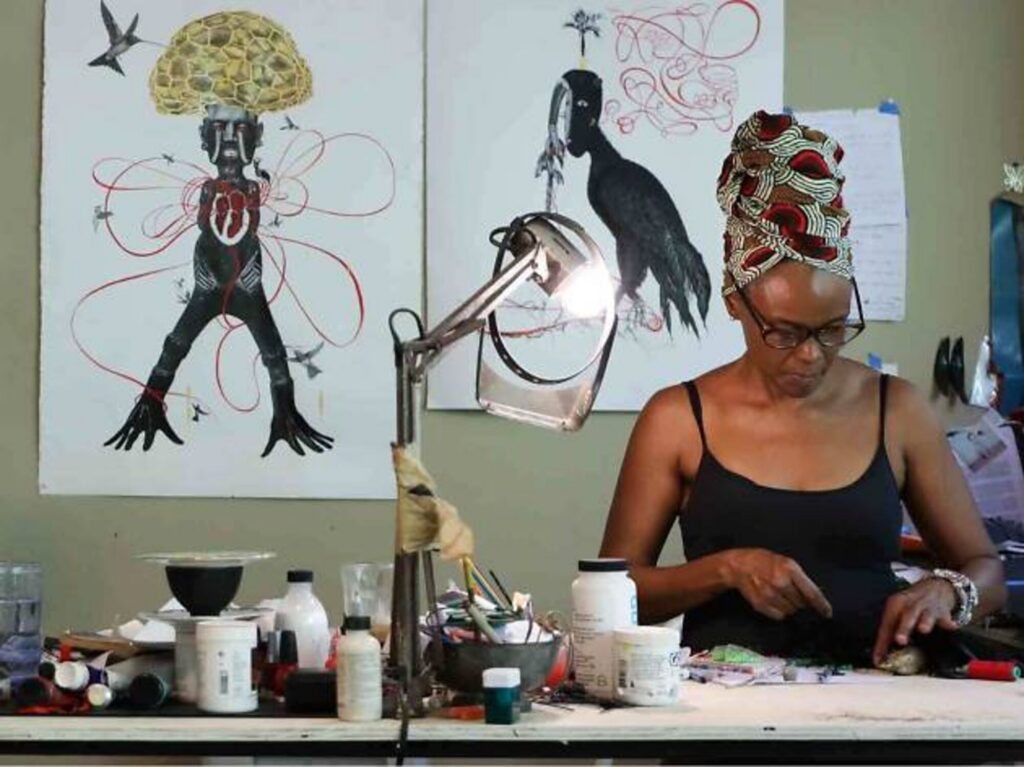
The human stories behind this wave are as compelling as the work itself. Shary Boyle describes her creative process as a dialogue between her sculptures and audience reaction, treating each exhibition as a living conversation. Kent Monkman often recounts personal and historical stories during live performances that accompany his visual work, giving context and emotional weight. Emerging artists like Toronto-based Jasmine Thomas and Montreal-based Karimah Simon engage directly with communities, hosting workshops, collaborative murals, and public art projects. Their voices, often marginalized or underrepresented in earlier Canadian art history, are central, asserting a more inclusive and contemporary cultural identity. The new wave is about personal experience meeting collective reflection, shaping a uniquely modern Canadian narrative.
Public Reception and Global Influence
Audiences in Canada are increasingly receptive to this new wave, drawn to its interactivity, social engagement, and cultural relevance. Internationally, artists like Kent Monkman and Shary Boyle are gaining recognition in biennials and exhibitions from New York to Berlin. Galleries and museums are actively seeking these artists, recognizing the growing demand for art that speaks to current social and environmental issues. Social media also plays a role, allowing younger audiences to engage with works outside traditional galleries. The movement’s global resonance suggests that Canadian contemporary art is not insular but part of a wider conversation about identity, politics, and ecological responsibility.
The Future Trajectory
Looking ahead, the new wave of Canadian art will likely continue to expand across mediums and communities. Emerging technologies, coupled with increasing social awareness, will allow artists to explore interactive, digital, and hybrid forms more deeply. Collaborations between Indigenous artists, immigrants, and tech-focused collectives will broaden both aesthetic and cultural perspectives. What remains consistent is the movement’s focus on relevance: these works aim to speak to the pressing issues of today, from climate change to social inequality, while reflecting Canada’s diverse population. In essence, the new wave of Canadian art is about storytelling, innovation, and engagement, redefining what it means to be Canadian in the global artistic landscape.