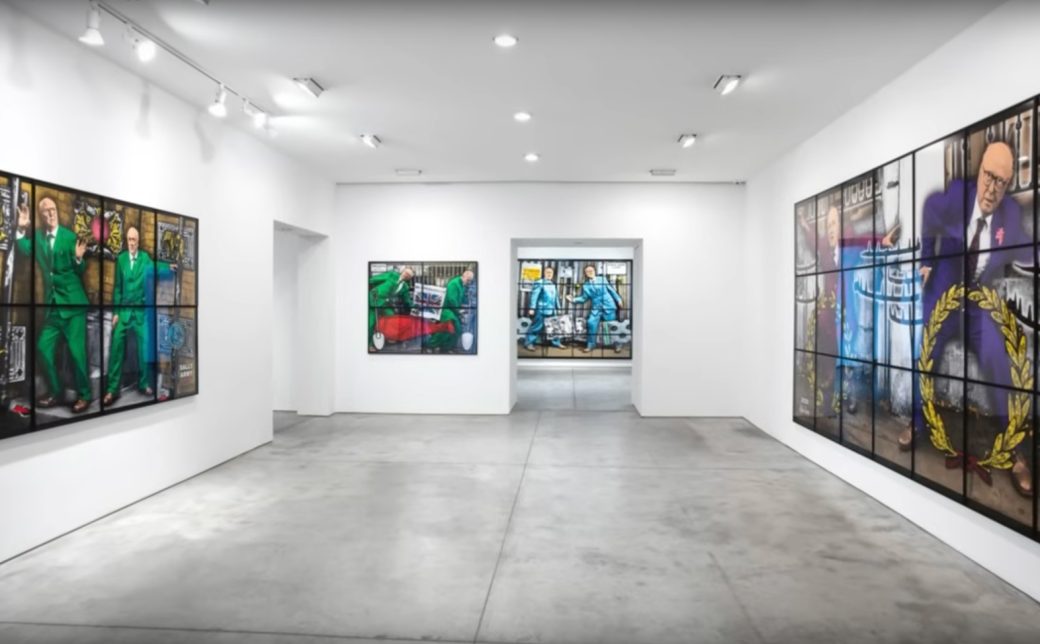
The Role Of Art Galleries In Shaping Cultural Conversation
Art galleries play a crucial role in shaping how society perceives creativity and culture. They are not merely spaces to hang paintings or sculptures; they are platforms where ideas, histories, and cultural dialogues come alive. Through curated exhibitions, galleries introduce audiences to emerging artists, challenge perceptions, and even spark debate about social and political issues. The works chosen reflect both artistic excellence and the gallery’s vision, ensuring that every exhibit resonates with visitors while contributing to larger cultural conversations.
Galleries balance the needs of multiple stakeholders—artists, patrons, critics, and the public—while maintaining their unique identity. This means curators must carefully consider each piece’s aesthetic quality, narrative strength, and relevance. For visitors, the experience of walking through a thoughtfully curated space can be transformative, offering new perspectives and emotional engagement. In essence, galleries act as cultural translators, deciding which artworks will speak most effectively to audiences.
Art galleries don’t just display art—they select the works that define our cultural dialogue.
Submission Representation And How Art Reaches Galleries
The journey of an artwork to a gallery often starts with submissions. Artists, represented by galleries, agents, or directly through open calls, present their work along with portfolios, artist statements, and prior exhibition histories. Some galleries actively scout talent at art schools, studios, or smaller exhibitions, while others accept proposals from established artists. The initial stage is crucial: the quality of presentation and clarity of artistic vision can influence whether a work moves forward in the selection process.
Open calls, juried submissions, and curated recommendations are standard pathways. Galleries aim to maintain both high standards and diversity, giving space to new voices while upholding their brand and thematic focus. The selection process starts with this pool of submissions, creating a manageable range of works for curators to consider deeply, while also allowing room for serendipity—discovering an unexpected piece that elevates an entire exhibition.
Getting a piece into a gallery often hinges on both vision and presentation, not just talent.
Curatorial Committees And The Evaluation Process
Once submissions are collected, curatorial committees take charge. These groups consist of experienced curators, art historians, and sometimes guest experts. Their role is to evaluate each piece based on artistic quality, conceptual depth, and alignment with the gallery’s programming. Initial reviews filter out works that fail to meet technical standards or thematic goals. Subsequent discussions delve into subjective judgments about creativity, originality, and potential audience impact. Committees often engage in lively debates, as opinions on art can be deeply personal and varied.
Some galleries employ multi-round processes, where shortlisted works undergo further scrutiny, including mock displays or peer reviews. Curators may also consult previous exhibitions, market trends, and audience preferences to ensure the selected artworks resonate. The collaborative evaluation process balances expertise, intuition, and the gallery’s mission, ultimately producing a cohesive, compelling exhibition.
Curatorial committees act as both gatekeepers and storytellers, shaping the narrative of the exhibition.
Selection Criteria Artistic Merit Theme And Audience Engagement
Selection is based on multiple intertwined criteria. Artistic merit is foundational, encompassing technique, composition, originality, and conceptual sophistication. Beyond aesthetics, thematic cohesion matters: curators seek works that converse with each other, creating a narrative or dialogue across the exhibition. Audience engagement is another consideration; galleries aim for exhibitions that provoke thought, evoke emotion, or inspire action, ensuring that visitors leave with a meaningful experience.

Other factors include cultural relevance, historical context, and the artist’s reputation or emerging potential. Some galleries highlight innovation, experimental approaches, or interdisciplinary projects that push the boundaries of traditional mediums. The final selection often represents a careful balance between high-quality craftsmanship, thematic resonance, and audience accessibility, aiming to create exhibitions that are both intellectually stimulating and visually compelling.
The best exhibitions strike a balance between artistic brilliance and audience connection.
Case Studies Tate Modern MoMA And Local Galleries
Major institutions like Tate Modern in London or MoMA in New York follow rigorous curatorial standards, often blending blockbuster exhibitions with niche shows that explore contemporary issues. Tate Modern’s 2016 exhibition of Yves Klein, for instance, combined historical context with immersive presentation, creating a dialogue between past and present. MoMA frequently balances emerging artists with established names, ensuring a dynamic, forward-looking program.
Local galleries, while smaller in scale, often provide platforms for experimental or community-focused works. They may prioritize local talent, social themes, or collaborative projects that engage neighborhoods. Despite differences in scale, the selection principles are similar: evaluate submissions critically, consider audience engagement, and curate exhibits that reflect the gallery’s identity and vision. Real-world examples show that curatorial decisions are never arbitrary but guided by thoughtful, intentional choices.
From global institutions to local galleries, the curatorial eye shapes how we experience art.
Challenges Biases And Trends In Exhibit Selection
Curatorial selection is not without challenges. Biases—whether conscious or unconscious—can influence decisions, impacting gender, cultural, or stylistic diversity. The pressure to attract visitors or donors can also shape programming choices. Additionally, balancing emerging artists with recognized names, or experimental works with marketable ones, is a constant tension. Galleries respond with initiatives to diversify exhibitions, such as themed programs for underrepresented artists or collaborative curatorial projects.

Trends in contemporary curation include increased digital engagement, interactive exhibits, and cross-disciplinary collaborations. Awareness of biases and responsiveness to cultural shifts are key to maintaining relevance and credibility. Successful galleries acknowledge these challenges, using them to refine selection practices and expand the richness of their exhibitions.
Recognizing biases and embracing diversity ensures exhibitions remain vibrant and relevant.
The Future Of Curation In A Digital And Globalized World
The future of gallery selection is increasingly digital and global. Online submissions, virtual exhibitions, and global scouting expand access for artists and audiences alike. Curators now consider multimedia, immersive installations, and interactive works alongside traditional painting and sculpture. The digital era also allows audiences to participate, influence selections, or interact with exhibits virtually, creating a more dynamic, participatory experience.
As galleries navigate globalization, technological innovation, and evolving audience expectations, curation will continue to blend traditional expertise with modern engagement strategies. The goal remains the same: to present art that is meaningful, inspiring, and reflective of the cultural moment.
The future of curation is participatory, global, and digitally enhanced, but always human at its core.