Why Fast Charging Creates More Heat Than Regular Charging
People often notice that a phone stays cool during normal use but becomes noticeably warm only when plugged into a fast charger. This happens because fast charging pushes a much larger amount of power into the battery in a short period of time. A standard 5–10W charger delivers a slow, steady flow of energy, while fast-charging systems can deliver 20W, 30W, 45W or even more depending on the device.
Whenever lithium-ion batteries take in power, they produce heat — this is normal. But the faster the power transfer, the higher the heat output. The core reason is electrical resistance inside the battery cells and the conversion losses that naturally occur when energy is transferred at a high rate. Even though modern batteries are designed to handle this, the increased wattage still leads to more heat than slow charging.
There is also the matter of efficiency. Fast charging is less efficient than standard charging because more power is moved per second, and not all of that power is converted perfectly. Some of it is lost as heat. That heat appears quickly and is most noticeable in the first stages of charging, when the phone tries to pull maximum wattage.
How Power Delivery Standards Push Batteries to Their Limits
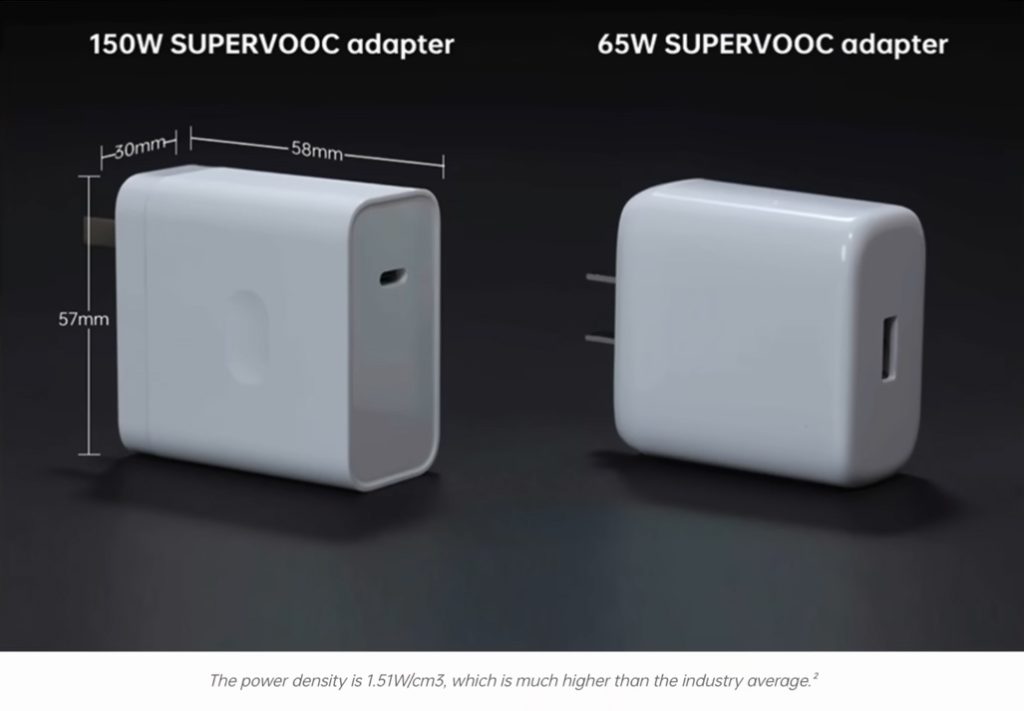
Most Android phones today use USB Power Delivery (USB-C PD) or proprietary fast-charging standards built on top of it. These systems negotiate the voltage and current between the charger and the device. When the phone detects that both the cable and the charger support high-wattage charging, it requests more power.
Higher voltage and higher current translate directly into higher thermal output. This is why a phone that stays cool on a 5W charger can become warm or even hot on a 25W or 45W fast charger. Nothing is “wrong” with the phone — it simply operates closer to its thermal limits during fast charging.
The chemistry of lithium-ion batteries also plays a role. When charging is accelerated, ions inside the cell move at a faster rate. This increases internal resistance, generating additional heat. Manufacturers like Apple, Samsung, and Google include thermal sensors and software algorithms to keep temperatures within safe limits by reducing wattage when necessary.
Why Heat Appears Only During Fast Charging and Not in Daily Use
Daily activities such as browsing, chatting, or using social apps rarely cause significant battery stress. Even watching video usually consumes far less power than high-wattage charging delivers. A phone that is cool during normal use is simply operating well within its thermal envelope.
Fast charging, on the other hand, is a special scenario. It combines three heat sources at once: power conversion inside the charging chip, chemical reactions inside the battery, and electrical resistance across internal components. These happen simultaneously and immediately.
In many cases, fast charging is the most thermally demanding task a phone experiences. It is not unusual for the device to warm up more during charging than during gaming or recording video — especially in cooler climates where airflow is good but ambient temperature still contributes to heat retention.
The Role of Battery Health, Cables, and Power Bricks
Several factors influence how much heat a phone generates during fast charging. A worn battery with reduced capacity can heat up more quickly because internal resistance increases as the battery ages. If the cable is low-quality or doesn’t support the charger’s wattage, the charging system may operate inefficiently, creating extra heat.
Charger compatibility also matters. Using a third-party charger that does not properly communicate with the phone can cause the device to switch between power modes, producing sudden bursts of heat during power negotiation. Approved chargers tend to keep temperatures more stable because they follow the correct fast-charging protocol.
Environmental temperature plays a huge role as well. Fast charging in a hot room, in a car on a sunny day, or under a pillow traps heat that would otherwise dissipate. Under these conditions, the phone relies heavily on software-controlled thermal throttling to keep temperatures safe.
When Heating Is Normal — And When It Signals a Problem
Moderate warmth during fast charging is expected, especially in the first 10–20 minutes when the charging system delivers peak wattage. However, excessive heat — when the phone becomes uncomfortable to hold or displays a temperature warning — may point to issues such as a damaged cable, an incompatible fast charger, or battery degradation.
Most manufacturers state that temperatures around 30–40°C (86–104°F) during fast charging are considered normal. However, if the device consistently exceeds this range or begins to throttle early into the charging cycle, it may be time to check the accessories being used or the battery’s health status through the system settings.
Phones from major brands include multiple layers of protection: thermal sensors, charging limiters, and software that automatically slows charging when temperatures rise. These systems aim to balance charging speed with long-term battery health.
How Manufacturers Try to Reduce Heat in Modern Models
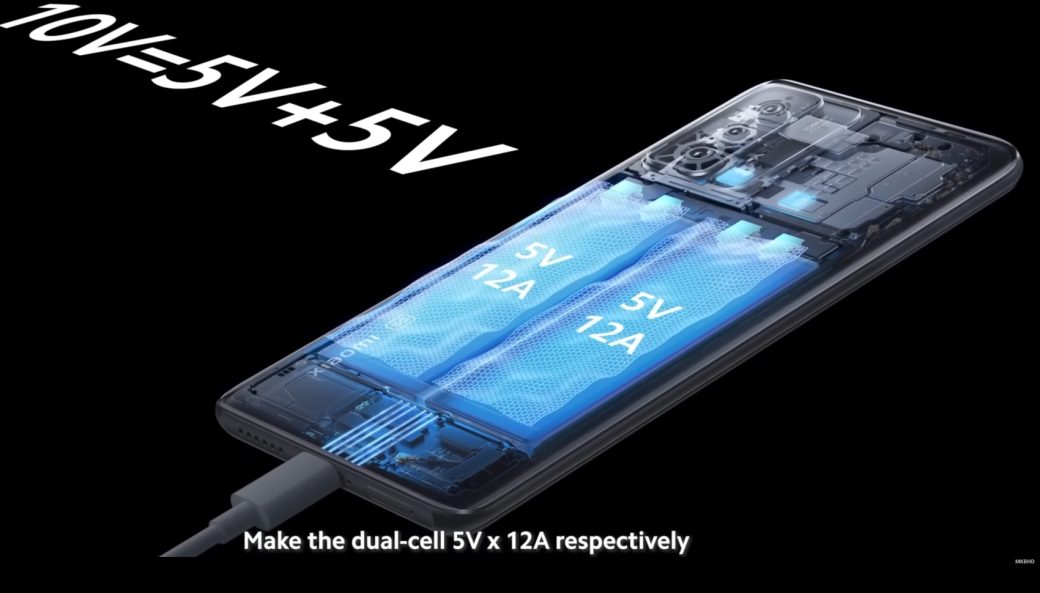
Recent models from Apple, Samsung, Google, Xiaomi, and others include strategies to limit heat without sacrificing charging speed. These include splitting the battery into two cells (allowing power to be distributed more safely), using dedicated power-management chips, and adding graphite or vapor-chamber cooling layers around the battery area.
Software also helps. Many devices reduce charging speed above 80% to avoid unnecessary heat buildup. Some manufacturers include “adaptive charging” options that slow charging at night, scheduling 100% completion for the morning. This reduces prolonged heat exposure and improves long-term battery health.
All these efforts highlight a simple truth: fast charging is convenient, but it is naturally hotter than slow charging. Modern devices try to balance speed, safety, and comfort — and occasional warmth during fast charging is simply a side effect of how lithium-ion technology works today.