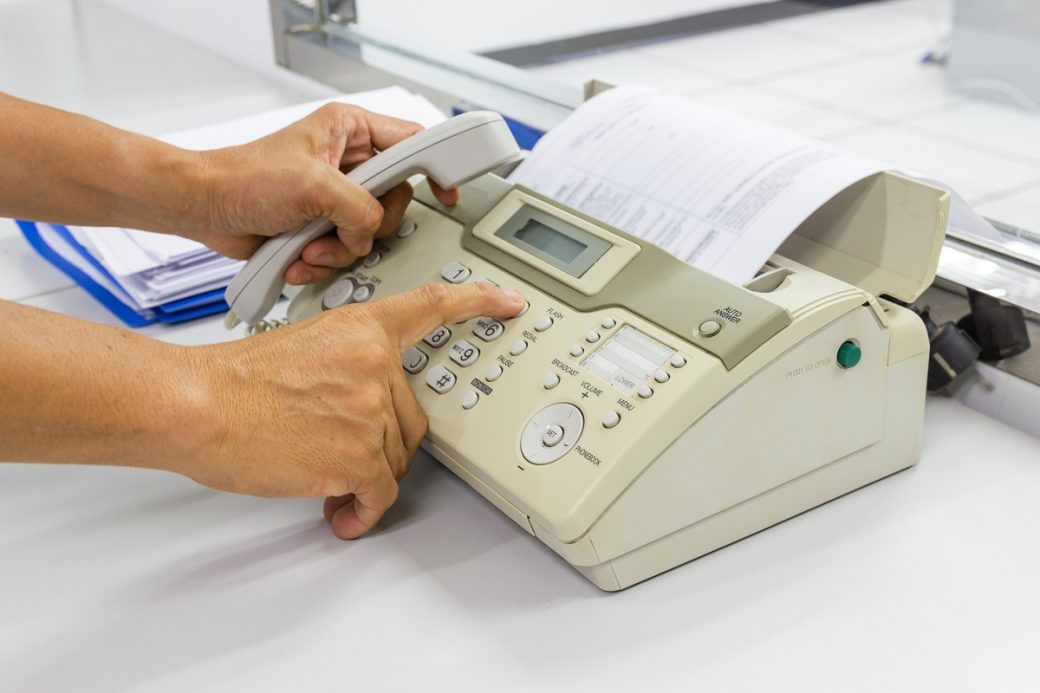
From Telegraph To Boardroom: The Fax Machine Legacy
Fax machines may seem outdated — but their roots run deep. Originally, they served as a reliable way to transmit scanned documents over telephone lines, long before the internet. For decades, businesses, hospitals, government offices and legal institutions built their workflows around faxing. Contracts, medical records, signed forms — everything passed through those machines. Once a process becomes widespread and standardized, it gains an inertia that’s hard to break. Many organizations simply continue to rely on what works, especially when document integrity and legal traceability matter.
That legacy is important. The technical standard behind faxing remains largely unchanged and widely supported, which means a fax sent from an older machine in one country can be received clearly by a newer machine elsewhere. This compatibility is rare among communication tools — and for some offices, that means continuity, predictability and fewer surprises.
Regulations, Compliance And Why Fax Still Qualifies
In many regulated sectors — healthcare, law, finance, government — laws and regulations mandate secure handling of sensitive documents. For example, the workflow of medical records, prescriptions, legal filings or contracts often expects a signed, timestamped and unaltered transmission. Faxing provides a “direct line” transfer that many institutions trust. As one industry-analysis piece noted: fax remains attractive because it can meet compliance requirements when electronic alternatives aren’t accepted or standardized yet.
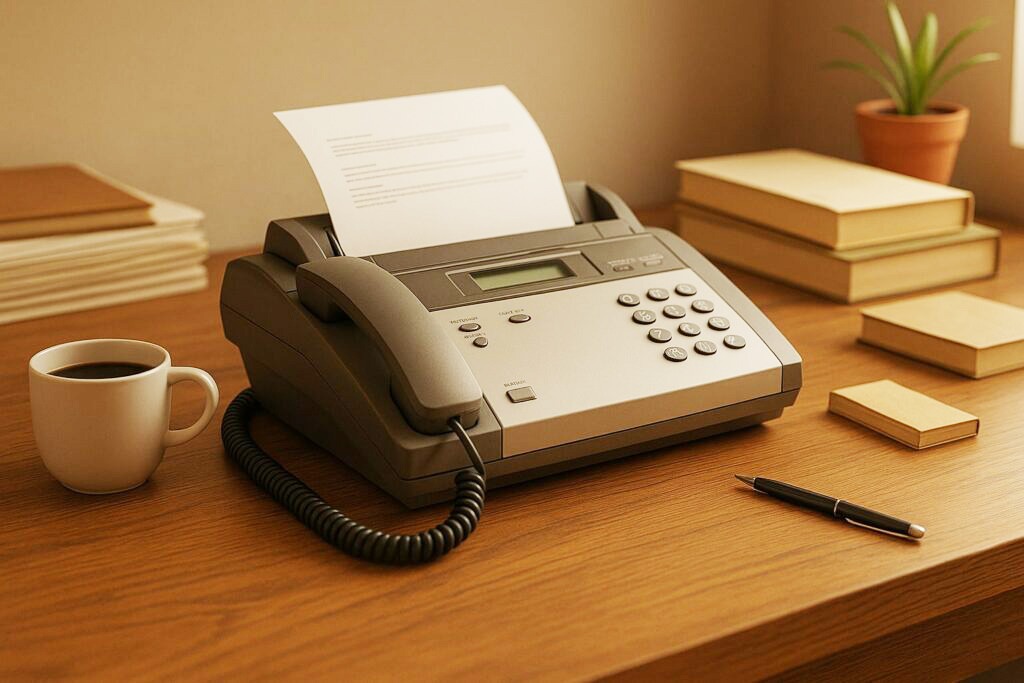
Digital alternatives like email or cloud transfer often raise concerns: Are the files encrypted properly? Is the transmission logged? Can the recipient verify that what they received is exactly what was sent — without edits? For many offices, fax is a known quantity: a physical or virtual piece of paper that arrives, unmodified, with a transmission timestamp. That’s a strong argument when legal validity or audit trails matter.
Reliability And Security In Uncertain Digital Environments
The internet is fast — but not always reliable, especially in rural areas, regions with unstable connections, or during outages. Fax machines, on the other hand, work over traditional phone lines. That makes them more robust in low-bandwidth, low-infrastructure regions.
Moreover, many people perceive analog faxing as more secure than email. Because faxes don’t pass through email servers, cloud storage, or multiple intermediate systems, there is less exposure to hacking or interception — at least in theory. For sensitive or confidential documents, that perceived security can outweigh the convenience of digital tools. As one commentary on continuing fax usage in 2025 argues: companies still can’t “quit faxing” because regulations often treat it as a secure, legally recognized channel.
Legacy Workflows And Interoperability With Old Partners
Many businesses — banks, lawyers, insurance firms, hospitals — have long-standing clients or partner organizations that expect communication via fax. Changing that expectation can be costly, complicated or simply impossible without disrupting important processes. For those institutions, fax is not nostalgia — it’s interoperability. As one business-oriented article puts it: because of fax’s long-standing technical standard, devices from different decades and manufacturers remain compatible.
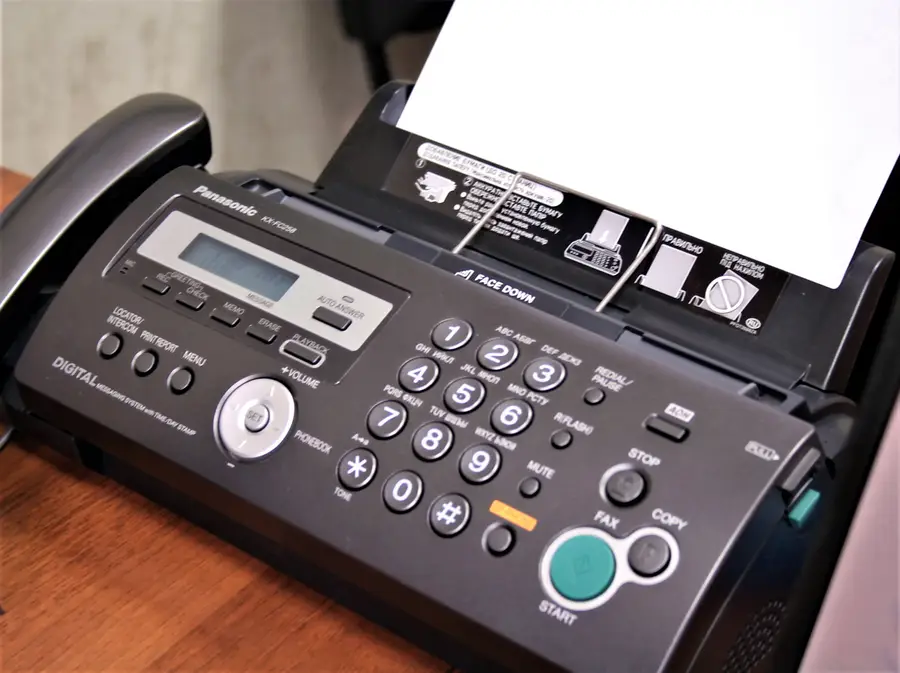
Switching to digital alternatives often requires restructuring internal systems, retraining staff, ensuring data compliance, and convincing partners to adopt new standards. For many offices, especially smaller ones or those with tight budgets, it’s simply easier to keep faxing than to overhaul everything.
Where Fax Still Makes Practical Sense: Healthcare, Legal, Government, Remote Zones
In 2025, fax machines haven’t vanished entirely. They remain common in sectors where document confidentiality, signed forms and compliance matter. For example: in many healthcare organizations, medical records and prescriptions are still sent by fax because regulatory frameworks — especially around patient confidentiality — treat fax as acceptable and secure. :contentReference[oaicite:4]{index=4}
Similarly, legal firms and courts sometimes require faxed documents for filings or contracts, especially when original signatures or certified copies are involved. Government agencies often rely on fax for bureaucratic workflows, especially in jurisdictions where digital infrastructure isn’t universal or fully reliable.
In addition, offices in areas with slow internet or limited digital infrastructure — rural zones, smaller municipalities — may find faxing more predictable than email or cloud systems that rely on stable connectivity.
Modern Faxing: Digital Fax And Services That Combine Old And New
Fax hasn’t stayed frozen in the past. The concept evolved. Today, many organizations use “online fax” or “e-fax” services: these allow sending and receiving faxes via email or secure internet portals, combining the legal recognition and compliance benefits of fax with the flexibility of digital tools.
This hybrid approach preserves what’s useful — interoperability, compliance, low barrier to entry — while adapting to modern workflows. It lets organizations keep compatibility with partners still using analog fax, without requiring bulky hardware or dedicated phone lines. For many offices, this middle ground makes the continued use of “faxing” a rational, not nostalgic, decision.
So: next time you see a fax machine in a dusty corner of an office, remember — that device isn’t a museum piece. Often it’s a quietly reliable tool, deeply embedded in rules, legal frameworks and practical constraints.