The Human Instinct to Communicate With Living Things
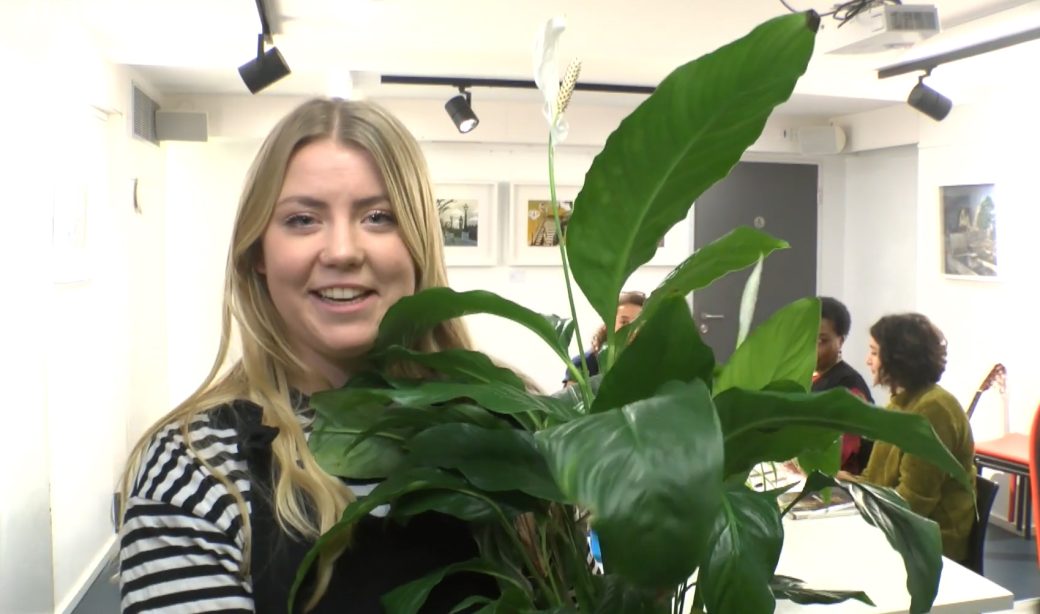
People have always personified the world around them — from ships to pets to houseplants. Even without consciousness or the ability to interpret language, plants are still living organisms that grow, change, and react to their environment. For many people, this alone creates a subtle sense of companionship. When someone spends weeks nurturing a small pot of basil or watching a monstera unfurl new leaves, the line between routine and relationship becomes surprisingly thin.
Talking to plants often emerges naturally when people perform repetitive, attentive tasks. Watering, pruning, or checking soil can feel like a shared moment. Some gardeners describe it as a way to stay present: narrating what they see, encouraging growth, or expressing mild frustration when leaves start to droop. Even though humans know plants cannot interpret words, the act still creates emotional grounding. This mirrors why people talk to pets even when pets cannot fully understand most language — the expression itself provides comfort.
There is also a social dimension. Gardeners have long traditions of addressing plants affectionately, passing habits from family to family. Many people inherit the idea without questioning it. The practice becomes part of a cultural memory rather than a conscious choice, making it feel intuitive and even necessary in daily routines.
What Science Says About Sound, Vibration, and Plant Responses
Scientific research does not support the idea that plants understand words or meaning. However, several studies have explored whether plants respond to sound or vibration — and the findings are interesting, though limited. For example, a 2007 study published in Plant Signaling & Behavior examined how mechanical vibrations influence plant gene expression. The researchers found that certain frequencies can activate biochemical responses, which suggests plants are sensitive to physical vibration even if not to verbal communication as humans perceive it.
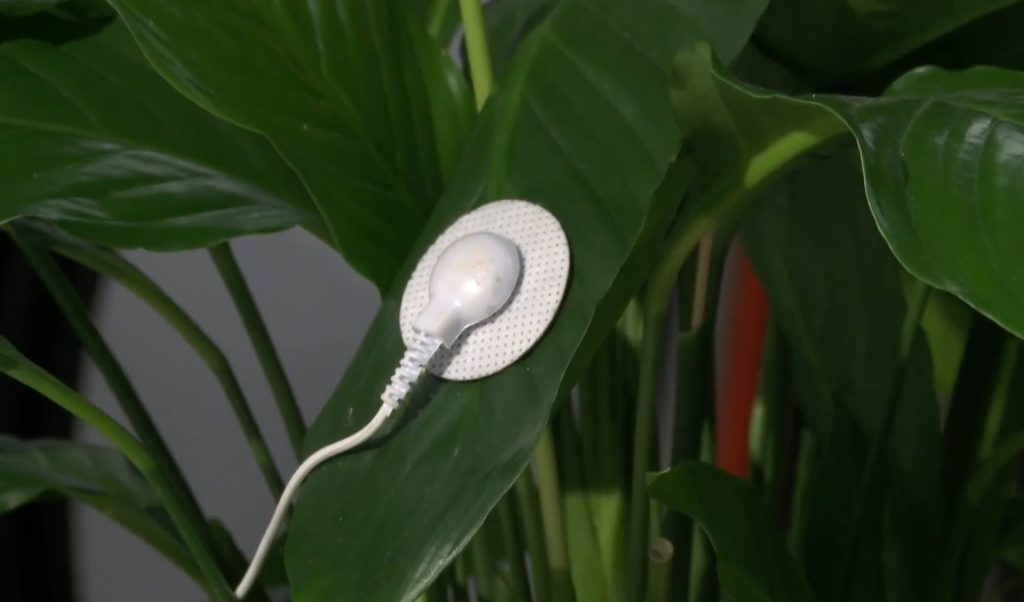
Another often-cited case comes from the Royal Horticultural Society in the UK, which conducted an experiment in 2009 where people read texts to tomato plants. The plants exposed to recorded voices grew slightly taller than the control group. The study did not prove that meaning or emotional tone mattered, only that consistent sound waves can have measurable effects. Sound here acts similarly to wind or touch — a physical stimulus, not a conversation.
Scientists generally agree on one point: talking itself is unlikely to cause growth, but the care practices that accompany it do. People who talk to their plants usually pay closer attention to light, watering, pests, and overall health. This attentive behavior, far more than speech, improves plant outcomes. When someone speaks to a plant, they often lean closer, check the soil, observe new leaves, or notice early signs of disease. Each of these actions directly impacts plant well-being.
Mindfulness, Routine, and Why Talking Helps People, Not Just Plants
For many people, the real benefit of talking to plants lies in the psychological effect. The practice slows the pace of daily life, especially for those who work long hours indoors or live in cities with minimal natural contact. Addressing a plant — even with a casual “How are you doing today?” — forces a moment of presence and calm. This pause can reduce stress, similar to meditation or journaling, by creating a small ritual with predictable emotional reward.
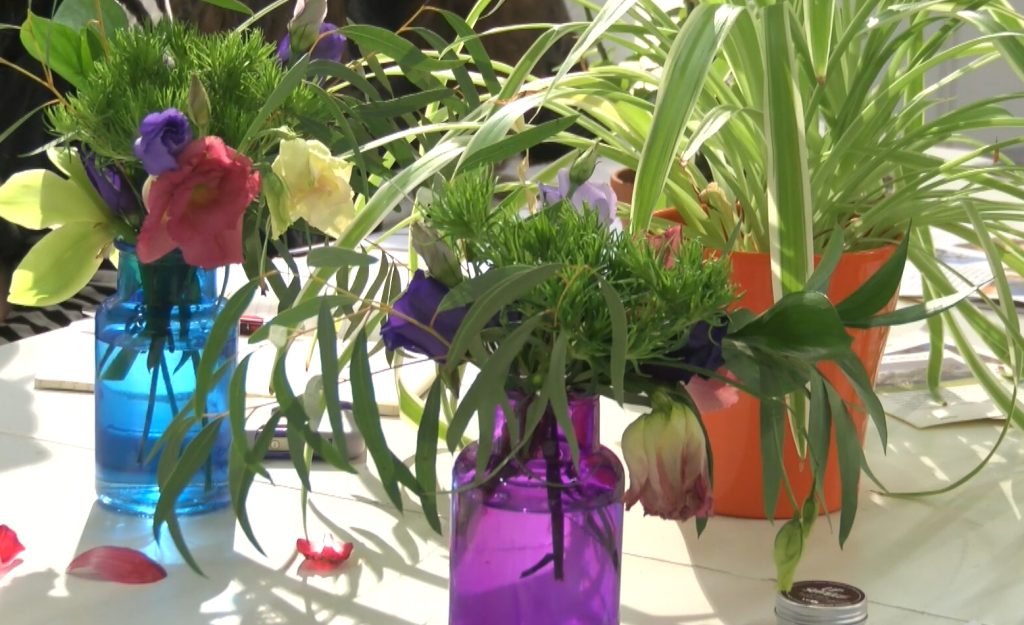
Some individuals build entire routines around their plants, checking them each morning before starting work or at night before bed. Speaking aloud helps them stay consistent, almost like leaving a verbal note for themselves. The plant becomes a marker of stability in a shifting schedule. Psychologists have pointed out that these rituals help people establish a sense of agency, especially when other parts of life feel unpredictable.
Importantly, talking to plants can also encourage empathy. While the plant does not feel this, the human does — and that emotional practice transfers into other areas of life. In a world where digital communication often replaces face-to-face contact, a simple moment of attention toward a quiet, living thing can serve as a counterbalance to constant noise and screens.
Cultural Traditions and Everyday Habits Behind Plant Talk
Plant communication traditions appear across many cultures. In parts of Europe, gardeners historically used murmured speech or humming to accompany work in vineyards or orchards, treating sound as part of the cultivation process. In East Asian traditions, caring for a bonsai or nurturing bamboo often includes quiet spoken reflection, not because the plant “listens,” but because it reinforces the caretaker’s patience and respect.
Today, these behaviors continue in more modern forms. Many people on social media describe naming their plants, speaking to them when a new leaf emerges, or apologizing when travel disrupts watering schedules. These habits are often shared in online gardening communities, creating a sense of collective identity. Talking to plants becomes a shared language — not between humans and plants, but between humans and each other.
Because the practice is so normalized, people rarely question it. It blends seamlessly into household routines: a comment while dusting leaves, a small joke when repotting, a sigh of relief when a wilting stem recovers. None of these actions rely on scientific justification; they rely on human comfort and the small emotional stability that plants quietly provide.
What We Know, What We Don’t, and Why the Habit Persists
There is no scientific evidence that plants understand words, emotions, or intent. What is known is that plants react to vibration, airflow, light, water, and attentive care. They are neither passive nor responsive in the human sense — they simply follow biological mechanisms that react to environmental conditions.
However, the human side of the conversation is well-documented. Talking to plants supports mindfulness, improves observation, and strengthens consistency in care routines. Those who speak to their plants often catch problems earlier, water more responsibly, and enjoy the process more deeply. Emotional satisfaction becomes the main driver, not plant comprehension.
In the end, people talk to plants because it feels good, not because it changes plant behavior in a meaningful way. The habit sits at the intersection of science, psychology, and culture: partly rooted in curiosity, partly in tradition, and partly in the universal desire for moments of quiet connection — even with something that cannot answer back.