Why External Respiration Matters for Every Living Being
Breathing seems simple — inhale, exhale, repeat. Yet behind this rhythm lies one of the most vital biological processes: external respiration. It’s the act of exchanging gases between the air and our blood, allowing oxygen to enter and carbon dioxide to leave. Without this constant trade, the body’s cells would run out of energy within minutes. Every movement, every heartbeat, and every thought depends on this unseen exchange happening quietly inside the lungs.
External respiration bridges two worlds — the external environment and our internal physiology. While it may sound like textbook biology, it’s something we all perform about 20,000 times a day. This continuous exchange doesn’t just keep us alive; it maintains the chemical balance that allows the heart and brain to work in perfect sync.
The Two Stages: Breathing and Gas Exchange
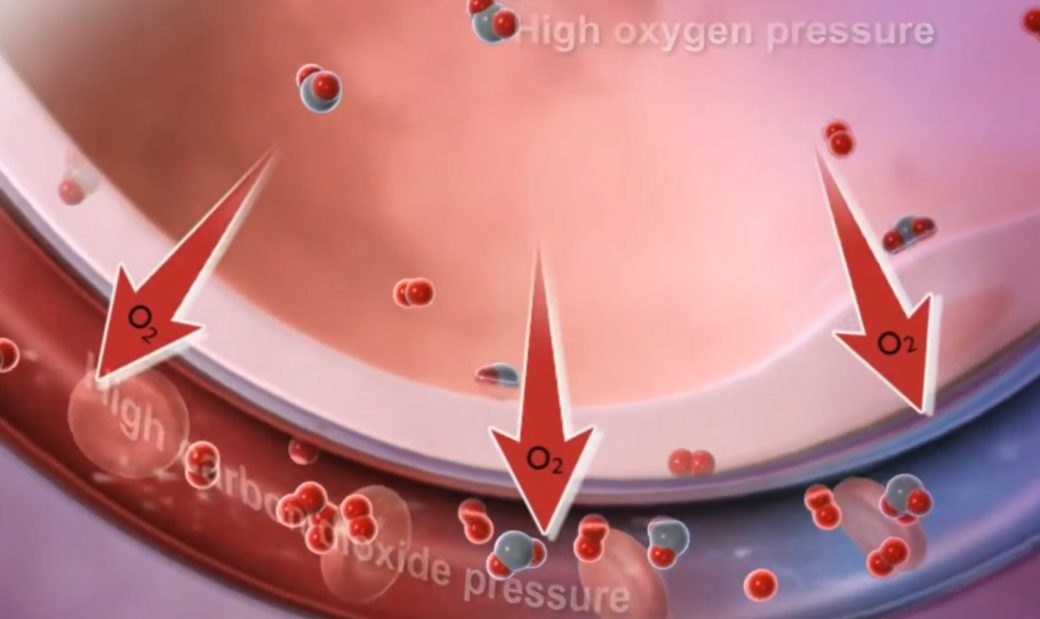
External respiration involves two interconnected steps. The first is ventilation — the physical act of drawing air into the lungs and pushing it out again. The second step is gas exchange, which takes place deep inside the lungs, in tiny air sacs called alveoli. These microscopic structures are surrounded by capillaries so thin that oxygen and carbon dioxide can slip through their walls effortlessly.
As air flows into the alveoli, oxygen diffuses into the blood, binding to hemoglobin molecules within red blood cells. At the same time, carbon dioxide — the waste product of metabolism — moves from the blood into the alveoli to be exhaled. It’s a seamless process, driven not by machines or conscious thought, but by simple differences in gas concentration and pressure.
How Oxygen Travels from Air to Blood
Once oxygen reaches the alveoli, the body’s transport system takes over. Oxygen molecules cross the thin alveolar membrane and attach to hemoglobin — a protein designed to carry up to four oxygen molecules at once. This oxygen-rich blood then flows back to the heart, which pumps it through arteries to every organ. Each cell receives what it needs to produce ATP, the molecule that powers nearly all biological functions.
The efficiency of this process depends on the health of the lungs and the quality of the air. Smokers, for instance, damage the alveolar walls, reducing surface area for gas exchange. Similarly, poor air quality or high altitudes can make it harder for oxygen to diffuse effectively. These factors explain why athletes often train at high elevations — it forces the body to adapt by increasing red blood cell count.
The Role of Carbon Dioxide and Why It Must Leave
It’s easy to focus on oxygen, but carbon dioxide is just as important in maintaining balance. As cells consume oxygen, they produce carbon dioxide as a byproduct. Too much of it in the blood can lower pH levels, leading to acidosis — a dangerous condition. External respiration ensures that CO₂ is expelled at the same rate it’s produced, keeping the blood’s chemistry stable.
“The lungs are not only about taking in oxygen — they’re also about letting go of what the body no longer needs.”
Carbon dioxide’s journey ends where it began: in the lungs. From the tissues, it dissolves into the bloodstream, travels to the alveoli, and escapes with every breath. This cycle happens continuously, even while we sleep, a silent rhythm that underpins human life.
How the Respiratory System Coordinates with the Circulatory System
External respiration would be impossible without teamwork between the respiratory and circulatory systems. The lungs provide the interface for gas exchange, while the heart ensures that freshly oxygenated blood reaches every cell. The timing is so precise that any delay — even a few seconds — could cause dizziness or hypoxia.
Capillaries, alveoli, and red blood cells work together in perfect synchrony. This coordination shows how biological systems evolved not in isolation, but as part of an integrated network. It’s a symphony of pressure, diffusion, and flow — all happening in fractions of a second.
Factors That Can Disrupt External Respiration
Several conditions can interfere with external respiration. Chronic obstructive pulmonary disease (COPD), pneumonia, and asthma narrow or inflame the airways, making gas exchange inefficient. Polluted environments, smoking, and respiratory infections also reduce lung capacity. In extreme cases, this can lead to hypoxemia — dangerously low oxygen levels in the blood.
On the other hand, some disruptions come from altitude or human activity. Climbers at high peaks, for example, experience thin air with less oxygen per breath. Over time, their bodies compensate by producing more red blood cells — an adaptation that demonstrates the body’s resilience but also its limits.
Modern Research on Respiratory Health and Air Quality
Recent studies are exploring how urban pollution, microplastics, and fine particulate matter affect lung function. Scientists have found that long-term exposure to poor air quality doesn’t just damage the lungs — it also increases cardiovascular risk and impairs cognitive performance. This growing field connects environmental science and medicine in a new way, showing that the air we breathe directly shapes public health.
Efforts to improve air quality — from emission controls to urban greenery — may be as important as medical innovation in protecting future generations. The process of external respiration, simple as it seems, depends on the world around us staying breathable.