The Biological Mechanisms Behind Nocturnal Blooming
Flowers that bloom at night have evolved intricate mechanisms to time their opening precisely when environmental conditions are favorable. The process is often regulated by circadian rhythms, which are internal clocks present in plants that sense light, temperature, and hormone levels. For example, genes responsible for petal movement and scent production are activated in the evening, triggering the flower to unfold. This synchronization ensures that flowers are visually and olfactorily optimized for nocturnal pollinators, increasing the likelihood of successful reproduction. Night-blooming flowers are not just randomly opening in the dark; their biology is finely tuned to the cycles of nature.
Plant hormones like auxins and ethylene play key roles in this process. Changes in light intensity at dusk trigger hormonal cascades, leading to petal expansion, scent emission, and sometimes even color changes that enhance visibility for night-active pollinators. Researchers studying species such as evening primrose (Oenothera biennis) have documented how these hormonal mechanisms respond consistently to daily light-dark cycles. In essence, the biological machinery behind nocturnal blooming is an elegant example of evolution tailoring reproductive strategies to specific ecological niches.
Pollination Strategies That Favor Nighttime Activity
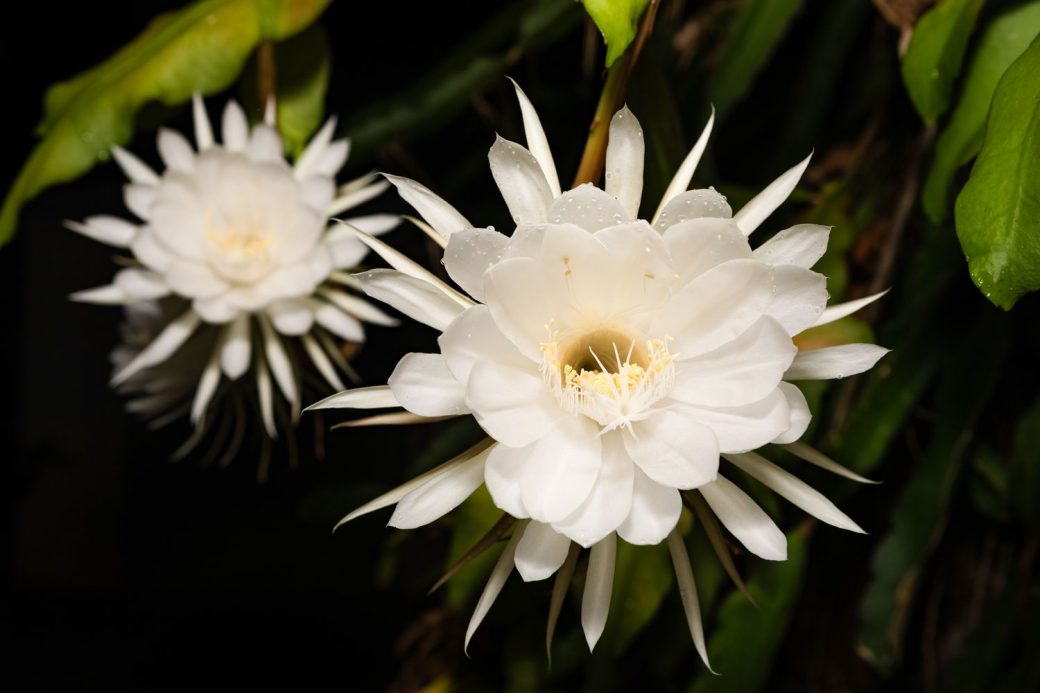
Night-blooming flowers have a selective advantage when their primary pollinators are nocturnal. Moths, bats, and some beetles are adapted to find flowers using scent and subtle visual cues under low light conditions. Flowers that open only at night often produce stronger fragrances and lighter colors, which improve detection by these animals. For instance, the large, white petals of the night-blooming cereus are highly reflective and scent-laden, maximizing attraction after sunset. By timing blooming to nocturnal hours, these plants avoid competition with daytime flowers and ensure their reproductive resources are efficiently utilized.
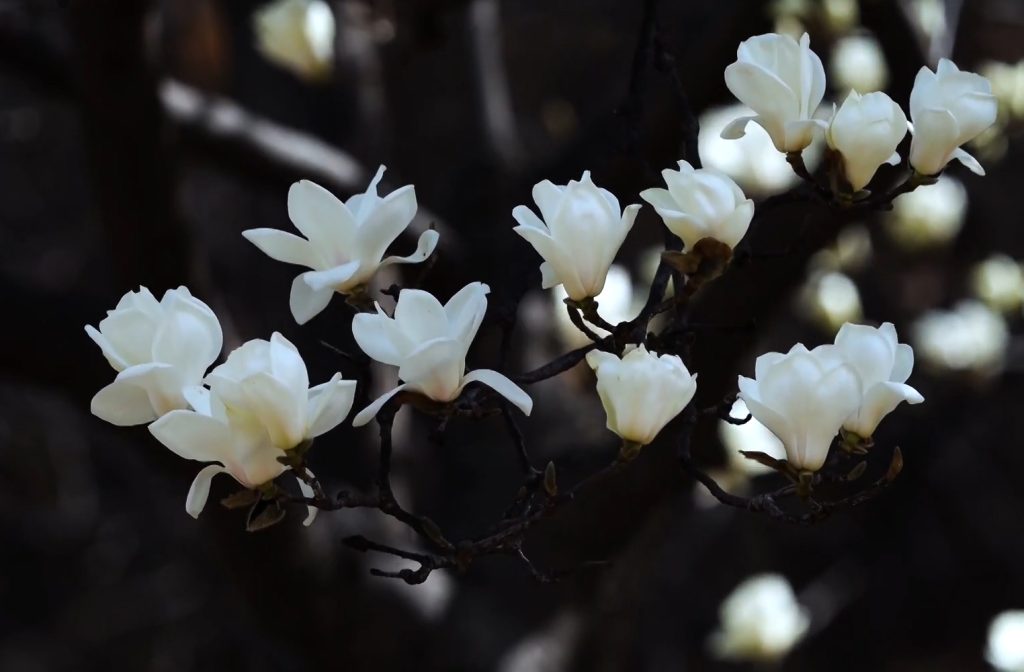
Pollination efficiency is critical for plants, and nocturnal blooming is a strategic adaptation. Bats, which navigate and forage primarily at night, play a significant role in the reproduction of some tropical cacti. Their feeding behavior encourages cross-pollination over wider distances than daytime insects typically achieve. Similarly, moths visiting evening primroses or jasmine carry pollen over long distances under cover of darkness. In these systems, the timing of flower opening is closely linked to the activity patterns of pollinators, demonstrating a precise ecological partnership between plant and animal behavior.
Environmental Cues Influencing Night-Opening Flowers
Environmental conditions heavily influence whether a flower opens at night. Temperature, humidity, and light all serve as cues for the plant’s internal clock. Evening humidity, for example, can enhance scent dispersion, making it easier for nocturnal pollinators to locate flowers. Many desert species, like the saguaro cactus flower, bloom at night to avoid the extreme heat and water loss during daytime. In temperate regions, sudden drops in light intensity at dusk or seasonal photoperiod changes trigger flowering mechanisms that align with night activity.
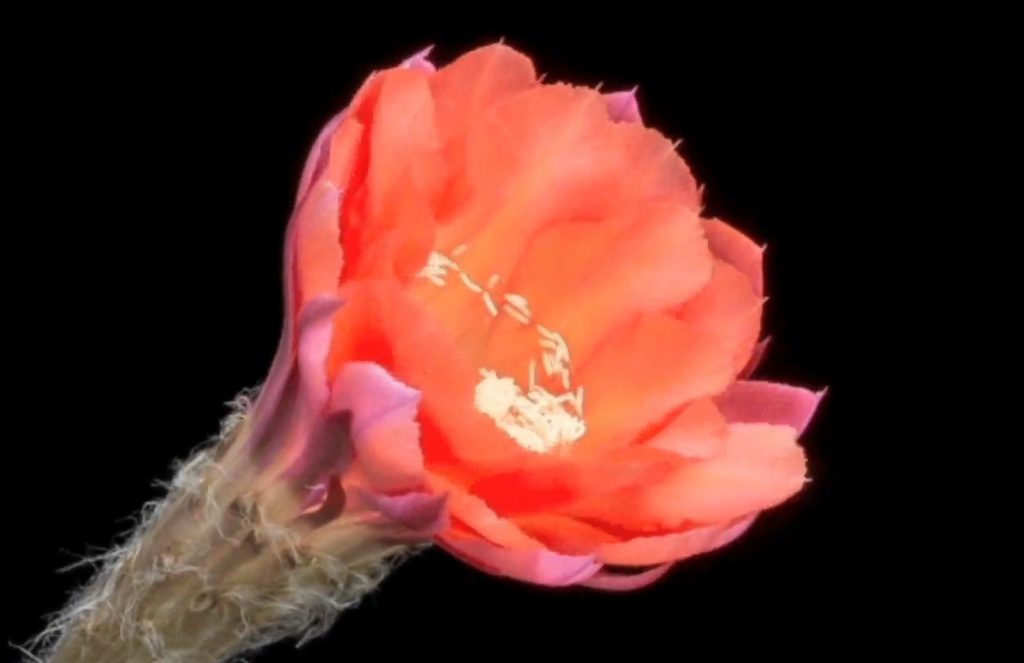
Additionally, certain flowers are sensitive to lunar cycles, opening more fully on nights with moonlight that aids nocturnal insects’ navigation. These adaptations show that environmental cues, from temperature to moonlight, are crucial for timing the flower’s opening. This synchronization increases survival rates and reproductive success, ensuring that the energy spent on flowering is efficiently invested.
Common Night-Blooming Flower Species Around The World
Several species are renowned for their night-blooming habits. Evening primrose, night-blooming cereus, jasmine, and saguaro cactus flowers are well-studied examples. In tropical regions, some orchids open exclusively at night, relying on moth pollinators. These species share common traits: strong fragrance, pale coloration, and precise opening timing. Gardeners in temperate zones also cultivate moonflowers and four o’clock flowers, which demonstrate the predictable nature of nocturnal blooming. Across continents, these patterns reveal that night-blooming is a widespread evolutionary solution to the challenges of reproduction.
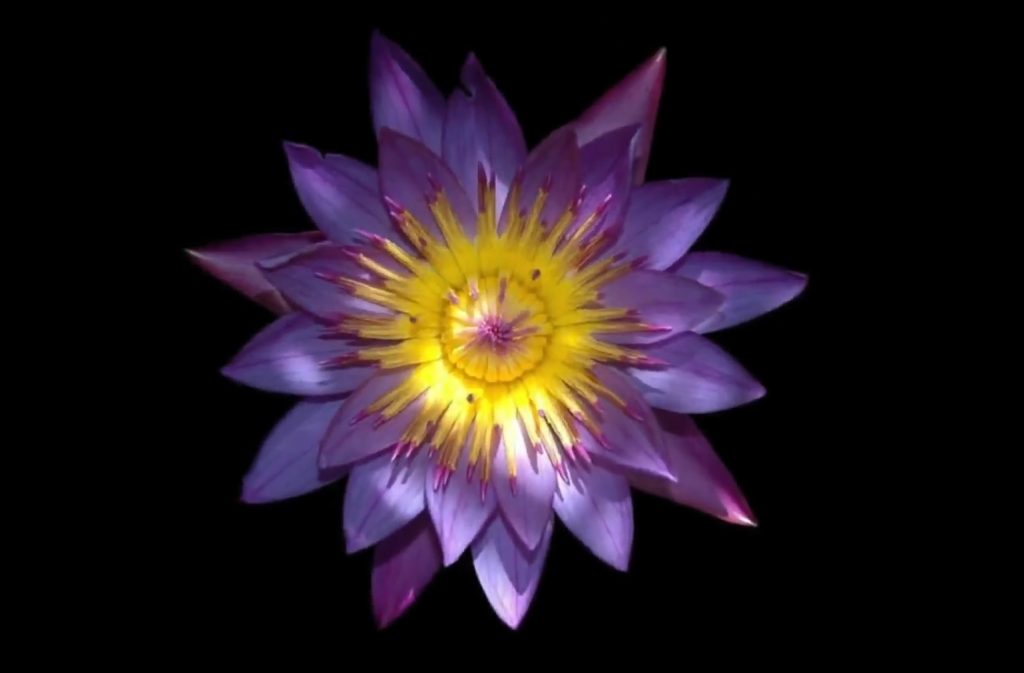
The diversity of nocturnal flowers also shows how ecological pressures shape plant morphology and behavior. Despite varying climates and habitats, the convergent evolution of night-blooming strategies underscores the importance of timing in plant reproduction. From deserts to rainforests, flowers that bloom after sunset reflect the intricate link between plant physiology and ecological demands.
Case Studies How Nocturnal Flowers Survive And Reproduce
Studies in Arizona’s desert ecosystems have documented saguaro cactus flowers opening at night, attracting bats that carry pollen to distant plants. Similarly, in tropical Asia, the night-blooming cereus blooms once a year, a brief but highly effective reproductive window. Researchers tracking these plants observe that timing, scent, and color work together to ensure pollination success, illustrating the efficiency of nocturnal strategies. In urban environments, gardeners have noticed moonflowers opening reliably in the evenings, even amidst artificial light, suggesting a robust circadian control mechanism.
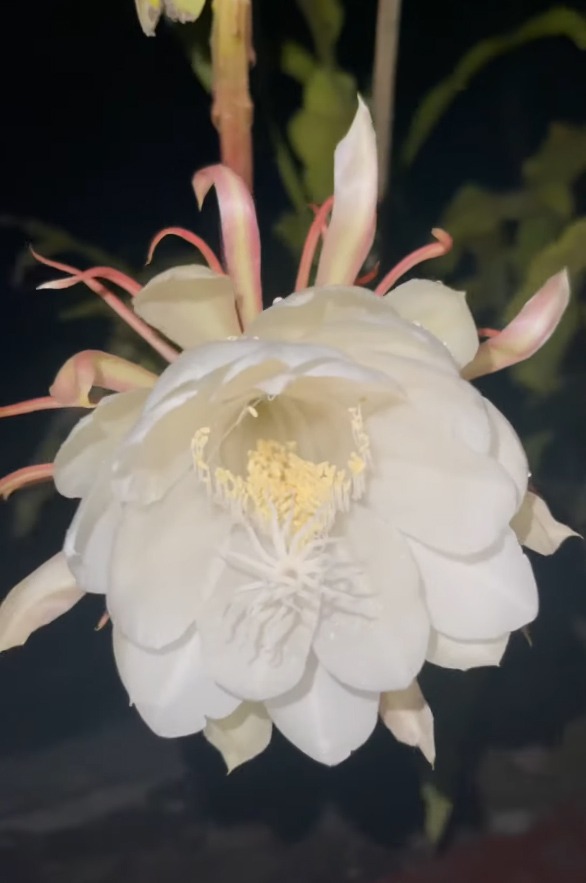
These case studies emphasize the precise balance between flower biology, environmental conditions, and pollinator behavior. Night-blooming flowers are not simply passive organisms—they actively coordinate their reproductive events to maximize success, demonstrating the sophistication of plant adaptation.
Observing And Appreciating Night-Blooming Flora
For nature enthusiasts, observing nocturnal flowers can be a uniquely rewarding experience. Beyond aesthetics, watching these blooms opens a window into complex ecological interactions. The timing, scent, and color all convey how plants have evolved to thrive under specific conditions. Gardeners can also use this knowledge to attract beneficial nocturnal pollinators, enhancing biodiversity in private gardens. Appreciating night-blooming flowers allows humans to witness a hidden dimension of the natural world, revealing strategies shaped by millions of years of evolution.