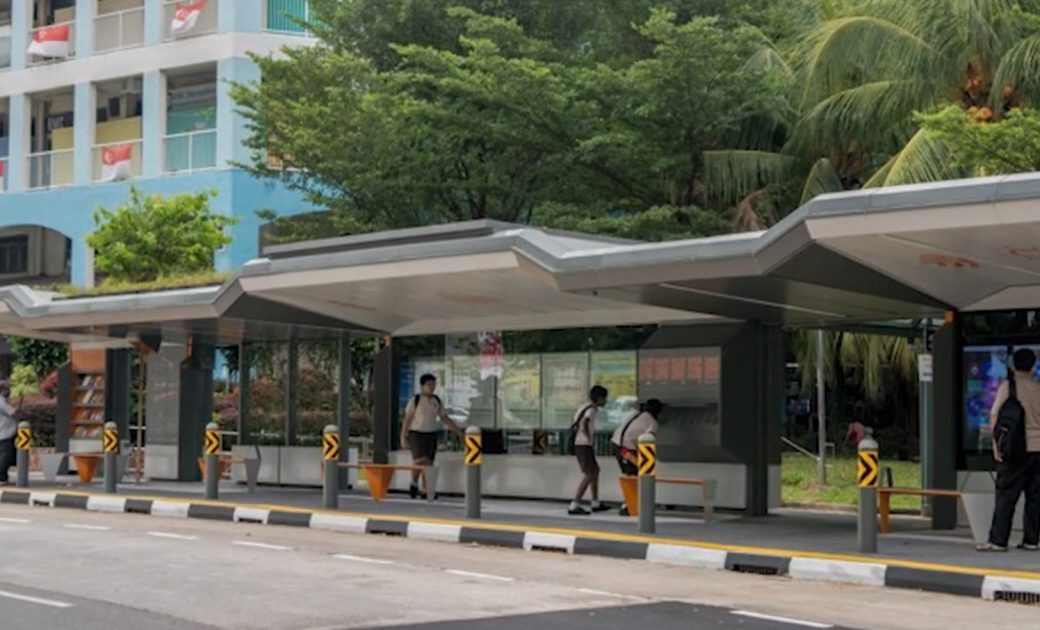
Why Bus Stop Design Matters in Everyday Mobility
Most of us don’t think twice about the structure we stand under while waiting for a bus. Yet, the design of a bus stop deeply shapes how people experience public transport. A well-designed stop can reduce stress, enhance safety, and even encourage more citizens to choose buses over cars. Poorly designed ones, on the other hand, can make commuting uncomfortable or unsafe, especially at night or in bad weather.
Urban planners often treat bus stops as micro-environments — small but critical nodes in a city’s transit network. Their visibility, accessibility, and comfort directly influence how people perceive the efficiency of an entire transportation system. For many commuters, the bus stop is the first point of contact with public infrastructure. That moment should be as seamless and intuitive as possible.
The Role of Safety and Accessibility Standards
Safety and accessibility form the foundation of any good bus stop design. In cities like Toronto or Stockholm, accessibility guidelines are legally binding. Stops must accommodate wheelchairs, include tactile paving for the visually impaired, and feature clear signage with high contrast for easy reading. Lighting plays an equally important role — a well-lit stop not only prevents accidents but also deters crime.
Beyond regulations, designers often collaborate with local communities to identify problem areas. For instance, in some U.S. neighborhoods, transparent shelters are favored because they allow better visibility and reduce the feeling of isolation for waiting passengers. It’s not just about compliance — it’s about creating a space where everyone feels safe and welcome.
Climate and Environmental Considerations in Design
One of the most practical influences on bus stop design is climate. In tropical or desert regions, shading and ventilation take priority. In contrast, colder countries focus on wind protection and heated benches. The bus stops in Helsinki, for example, often have enclosed glass structures with small heating elements, while in Sydney, open shelters with extended roofs allow air circulation and sun protection.
Environmental impact is another layer. Sustainable materials, like recycled aluminum or solar panels, are increasingly used. Some cities experiment with “green stops” — shelters with vegetation on the roof that absorb rainwater and lower urban heat. These designs merge ecology with functionality, turning passive waiting spaces into active contributors to a city’s climate strategy.
Technology Integration: Smart Shelters and Digital Displays
Modern bus stops are becoming hubs of information and connectivity. Real-time digital displays showing arrival times have become standard in many European cities. In Singapore and London, smart bus shelters even offer USB charging ports, Wi-Fi access, and air quality sensors. The goal is not only to inform but to enhance the waiting experience — transforming it from idle time into productive or relaxing moments.
These innovations depend heavily on data infrastructure. Designers must integrate power sources, communication modules, and display systems in a compact, weather-resistant form. It’s a challenge that brings together architects, engineers, and software developers — proving that even something as ordinary as a bus stop is now part of the Internet of Things.
Cultural and Aesthetic Influences Across Regions
While functionality is universal, design aesthetics often reflect local culture. In Japan, bus stops can resemble miniature art pieces — minimal yet precise, often incorporating regional motifs. In contrast, European cities sometimes emphasize harmony with historic architecture, blending metal and glass with stone facades. Meanwhile, in Los Angeles or Mexico City, bright colors and murals make stops feel alive and distinctly urban.
These choices are rarely random. They help create a sense of belonging and identity. A bus stop can act as a cultural marker, just like a public square or monument. In some communities, local artists are invited to decorate shelters, transforming them from purely utilitarian objects into expressions of collective pride.
Sustainability and Future Trends in Urban Transport Design
Looking forward, bus stop design will likely merge deeper with sustainability and smart city concepts. Energy self-sufficiency, modular construction, and adaptive materials are already on the rise. Cities like Amsterdam are testing shelters with solar roofs that power nearby streetlights. Meanwhile, AI-driven systems may adjust lighting and display content based on crowd density or time of day.
The future bus stop will not just protect from the weather — it will interact, inform, and even inspire. The goal is to create spaces that invite participation, not just waiting. After all, these small pieces of infrastructure tell a big story about how we move, connect, and design for everyday life.