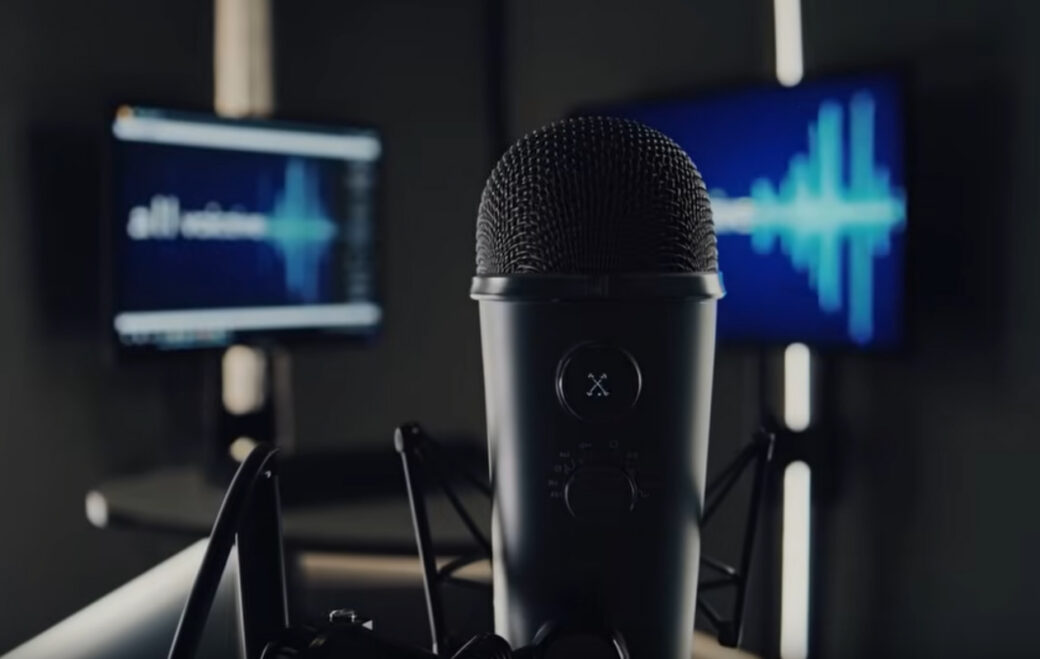
When you hear Siri, Alexa, or a gaming character speak, the voice you’re listening to originates from real people. For instance, Susan Bennett is famously known as the original voice of Apple’s Siri in the U.S. between 2005 and 2011. Her recordings were captured over hundreds of hours in a studio, reading scripts covering every possible sentence. Similarly, Jon Briggs provided the British English voice of Siri. These recordings form the raw data that AI uses to generate speech, but the actors’ performances—their tone, pauses, and subtle inflections—remain embedded in the digital voice.
How Human Recordings Become AI Speech
The process begins with these human recordings being segmented into phonemes, the smallest units of sound. Machine learning models analyze these phonemes and their combinations, learning patterns of pitch, intonation, and timing. Once trained, the AI can produce speech in contexts never recorded by the actor, yet it retains the original human qualities. Voice cloning technologies also allow a single actor’s voice to be adapted across multiple languages or synthetic characters, while preserving the original nuances. For example, Amazon’s Alexa has different voices across regions, each initially recorded by a human actor before AI processing.
Stories of Voice Contributors
Emma Clarke, the British voice behind many text-to-speech applications, shares that recording sessions are intense: “You spend hours reading the same lines with small variations, capturing emotion, emphasis, and rhythm. Every inflection matters, because AI will learn from it.” Similarly, Canadian narrator Alex Taylor contributed his voice to an AI audiobook platform. He spent days experimenting with subtle pauses, sighs, and laughter, knowing these would later make synthetic narrations feel real. These stories confirm that behind every AI voice is someone carefully shaping how it will speak.
Rights, Consent, and Compensation
Using human voices raises legal and ethical issues. Most professional actors sign agreements specifying how their voice will be used, and are often paid upfront or receive royalties. Consent is essential: in Europe, North America, and Australia, regulations increasingly protect performers from unauthorized voice cloning. The ethical concern is that AI can generate phrases a person never recorded, making transparency and attribution crucial. The voices we interact with daily are a blend of human creativity and algorithmic processing, and respecting the contributor’s rights is key to maintaining that balance.
Recognizing Human Nuances in AI Voices
Even highly advanced AI cannot perfectly erase human fingerprints. Pauses, breath patterns, laughter, or emphasis often survive the synthesis process, creating a sense of personality. For example, Siri’s voice has slight micro-pauses and tonal shifts reflecting Susan Bennett’s natural cadence. In audiobooks, AI-generated narrations maintain the narrator’s rhythm and emotional tone, making them sound authentic. Listeners subconsciously pick up on these traits, which make AI voices relatable and engaging.
Popular AI Voices and Their Real-Life Actors
Besides Susan Bennett and Jon Briggs for Siri, other examples include Emma Clarke for British text-to-speech, and professional narrators providing datasets for audiobook AI services. In gaming, voice actors like Jennifer Hale (known for Mass Effect) lend recordings that AI can later use for dynamic NPC dialogue. Even when you cannot see them, these people are literally shaping how millions of users hear AI every day. Your favorite AI voice is rarely “just code”; it carries the performance, emotion, and identity of a real human.
The Future Role of Humans in AI Voices
AI voice technology will become more advanced, but humans will remain indispensable. Future models may require human guidance to ensure ethical use, natural intonation, and cultural relevance. Collaborative systems where AI generates speech under human supervision are likely to dominate. Understanding that there’s a real person behind the AI voice changes how we perceive our interactions with technology: what seems synthetic is always grounded in human effort, skill, and artistry.