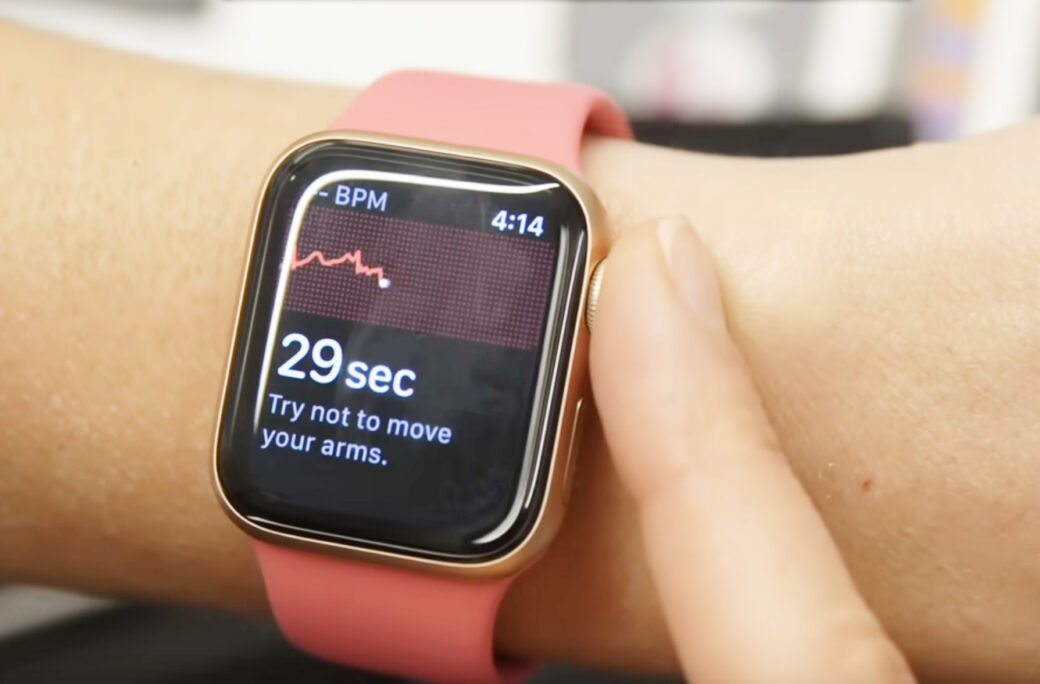
When you glance at your smartwatch and see your heart rate, it’s easy to take it for granted. Behind that simple number lies a combination of physics, biology, and clever engineering. Modern smartwatches use sensors that detect either the blood flow or the electrical activity of your heart. Optical sensors shine light into your skin to measure changes in blood volume, while ECG-capable watches detect the electrical impulses that trigger your heartbeat. These two approaches allow your device to continuously or on-demand provide your pulse readings, giving you both fitness insights and potential health alerts.
Optical Sensing and Photoplethysmography Explained
The most common method is photoplethysmography (PPG). A smartwatch emits green LED light into your wrist and measures the amount of light that reflects back. Blood absorbs green light, so with each heartbeat, the reflection fluctuates. Tiny photodiodes detect these changes, which are then converted into heart rate metrics. The method is impressive because it is non-invasive and can provide continuous readings during workouts or at rest. In practice, even with moderate wrist movement, modern algorithms can filter out noise to deliver surprisingly accurate heart rate readings.
Electrical Sensing with ECG-Capable Watches
Some advanced smartwatches add an electrocardiogram (ECG) feature. These devices detect the electrical signals generated by your heart during each contraction. By touching a sensor or completing a circuit with your other hand, the watch captures a waveform of your heartbeat. This method provides higher accuracy for detecting irregular rhythms, like atrial fibrillation. Unlike optical sensors, ECG readings are more episodic, but they add clinical value and allow users to share readings with healthcare providers. Users have reported catching minor irregularities early thanks to these features.
Data Processing: Turning Signals into Readable Metrics
Raw signals from optical or electrical sensors aren’t immediately meaningful. Smartwatches rely on algorithms to process the data. These algorithms identify peaks in PPG signals or the R-waves in ECG readings and calculate beats per minute. They also smooth out errors caused by motion, temperature, or wrist positioning. The software layer is just as important as the sensors themselves. During activities like running, your watch uses filtering to distinguish between arm movement and actual heartbeat, providing a continuous, realistic heart rate curve.
Accuracy Challenges and Factors Affecting Measurement
Despite technological advances, smartwatches aren’t perfect. Factors like skin tone, wrist tattoos, device fit, and ambient light can influence optical readings. Electrical sensors are less affected by these issues but require proper contact and can still be disrupted by movement. Studies show optical heart rate sensors are highly accurate at rest but slightly less so during high-intensity activity. Users should treat extreme readings with context and not rely solely on the device for medical decisions.
Real-World Applications: Fitness, Health Monitoring, and Alerts
Smartwatch heart rate monitoring isn’t just a novelty—it’s a practical tool. Athletes can optimize workouts by staying in target heart rate zones, while everyday users get insight into stress or sleep patterns. Some watches alert you to unusually high or low heart rates or detect irregular rhythms, prompting medical consultation. Continuous tracking has encouraged healthier habits, simply by making heart activity more visible. People report using heart rate trends to adjust sleep, exercise, and stress management routines.
Future Trends: Smarter Algorithms and Health Ecosystems
The future promises even smarter heart rate monitoring. Integration with AI and broader health ecosystems means your watch could analyze trends over months and provide predictive insights. Expect improvements in sensor technology to handle darker skin tones, tattoos, or extreme movements more accurately. Wearables may also link seamlessly with other health data—blood pressure, sleep, or glucose monitoring—creating a more holistic picture of wellbeing. Smartwatches are gradually becoming non-invasive, continuous health companions for everyday life.