Why Smart Glasses Are More Than Just Glasses
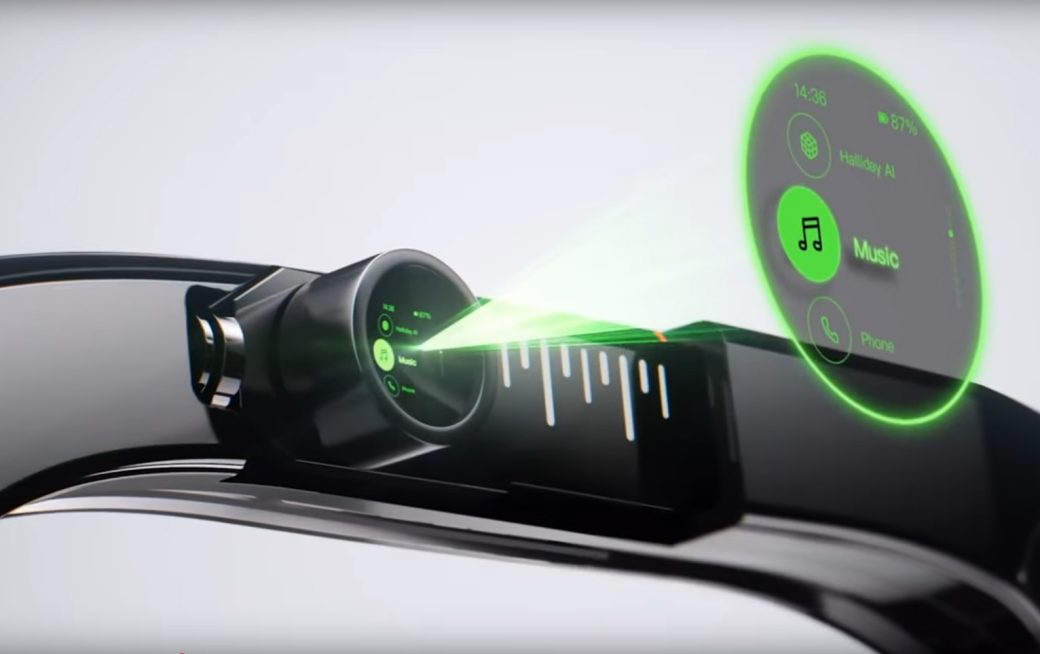
Smart glasses have evolved far beyond simple eyewear. At first glance, they might look like ordinary glasses, but inside, they are miniature computers designed to project digital information directly into your vision. These devices are part of the growing augmented reality (AR) ecosystem, blending the physical world with virtual content in real time. Whether you are receiving notifications, checking navigation directions, or interacting with virtual objects, smart glasses make the digital overlay feel seamless and immediate. This integration relies on precise engineering, miniaturized components, and sophisticated software that works invisibly to deliver content without obstructing the wearer’s natural view.
The appeal of smart glasses lies in their hands-free convenience. Unlike smartphones or tablets, you don’t need to hold a screen or look down to access information. Professionals in healthcare, logistics, and fieldwork increasingly use smart glasses to streamline tasks, while consumers explore AR games, fitness trackers, and live translations. Understanding how these glasses display information provides insight into why they can make digital interaction more fluid and immersive than ever before.
The Technology Behind The Display From Microprojectors To Waveguides
At the heart of every smart glass is its display system, which translates digital data into visible images. Early models relied on tiny microprojectors that cast light onto the lenses, creating a reflected image that your eyes perceive as floating information. Modern designs increasingly use waveguide technology, which channels light through specially engineered glass layers, bending it so that the projected image aligns perfectly with your line of sight. These waveguides often include diffractive or reflective elements to ensure brightness and clarity while keeping the hardware lightweight.
Another key technology is holographic optical elements (HOEs), which allow images to appear at various depths, giving a sense of three-dimensionality without the need for bulky optics. Coupled with microdisplays like OLED or LCoS panels, these components deliver high-resolution visuals in a compact form. Engineers must balance brightness, contrast, and color accuracy, all while ensuring that the display doesn’t interfere with natural vision or cause eye strain.
How Information Is Projected And Perceived By The Eye
Once the display generates an image, the next challenge is directing it correctly so the human eye perceives it naturally. The system must account for pupil position, focus, and ambient lighting. In many smart glasses, the light travels through lenses or waveguides and exits at a precise angle, so the brain interprets it as if the image is floating a few meters away. Eye-tracking sensors are sometimes added to adjust the projection dynamically based on where you are looking, which reduces distortion and improves clarity.
The perception of these images relies on both optical engineering and neurological processing. Your eyes and brain work together to integrate the digital overlay with the real environment, maintaining depth perception and spatial awareness. This is why some devices include adjustable focus or brightness controls, allowing users to personalize the experience and avoid fatigue during extended use.
Real-World Use Cases Navigation Work And Entertainment
Smart glasses are already proving useful across multiple domains. In navigation, they can overlay arrows or maps directly onto streets or pathways, allowing hands-free guidance while cycling or walking. In professional settings, engineers and surgeons can view schematics or patient data in real time without turning away from their work. In entertainment, AR games and interactive experiences create digital objects that appear part of your environment, enhancing immersion and engagement.
One practical example is DHL, which equips warehouse workers with smart glasses that highlight items for packing or picking, boosting efficiency and accuracy. Similarly, some hospitals use AR-enabled glasses to guide surgeons through complex procedures, displaying critical information without interrupting focus. These real-world applications demonstrate how smart glasses combine display technology, software intelligence, and ergonomic design to provide tangible benefits.
Challenges In Display Quality And User Comfort
Despite their potential, smart glasses face technical challenges. Ensuring sufficient brightness in outdoor sunlight, maintaining color fidelity, and preventing image distortion are ongoing engineering hurdles. Designers also must minimize weight and heat, since heavy or uncomfortable glasses reduce adoption. Eye strain and motion sickness can occur if the virtual overlay doesn’t perfectly match the natural view or if latency is noticeable.
Battery life is another factor, as powering microprojectors, waveguides, and processors requires efficient energy management. Manufacturers balance performance and comfort by optimizing both hardware and software, often using adaptive brightness and low-power microdisplays. User feedback plays a critical role in refining designs, highlighting that even minor improvements in ergonomics or clarity can significantly impact usability.
Privacy And Safety Considerations
Smart glasses can capture and display sensitive information, raising privacy and safety concerns. Cameras and sensors embedded in the glasses can record surroundings, which might be intrusive in public or workplace settings. Data protection, encryption, and explicit user consent are essential to ensure responsible use. Additionally, AR overlays should not distract users in critical situations, such as driving, where attention must remain primarily on the environment.
Regulatory frameworks in Europe, the US, and other regions are beginning to address these issues, requiring manufacturers to implement privacy safeguards and usage guidelines. For users, awareness of data collection and safe usage practices is key to enjoying the benefits of smart glasses without compromising security or social norms.
Future Innovations And Trends In Smart Glass Displays
The future of smart glasses looks bright, with research focusing on more compact optics, higher resolution displays, and seamless integration with other devices. Adaptive holographic displays, improved eye-tracking, and AI-powered contextual overlays promise an even more immersive AR experience. Additionally, augmented reality might expand beyond individual devices into collaborative spaces, where multiple users share synchronized digital content in real time.
As materials, optics, and computing power continue to advance, smart glasses will become lighter, more powerful, and less intrusive. The goal is a system that provides information effortlessly, enhancing both professional and personal experiences. For users willing to adopt these innovations, understanding how the displays work today offers a glimpse into a future where digital and physical worlds coexist naturally and intuitively.