The Basics of Facial Recognition
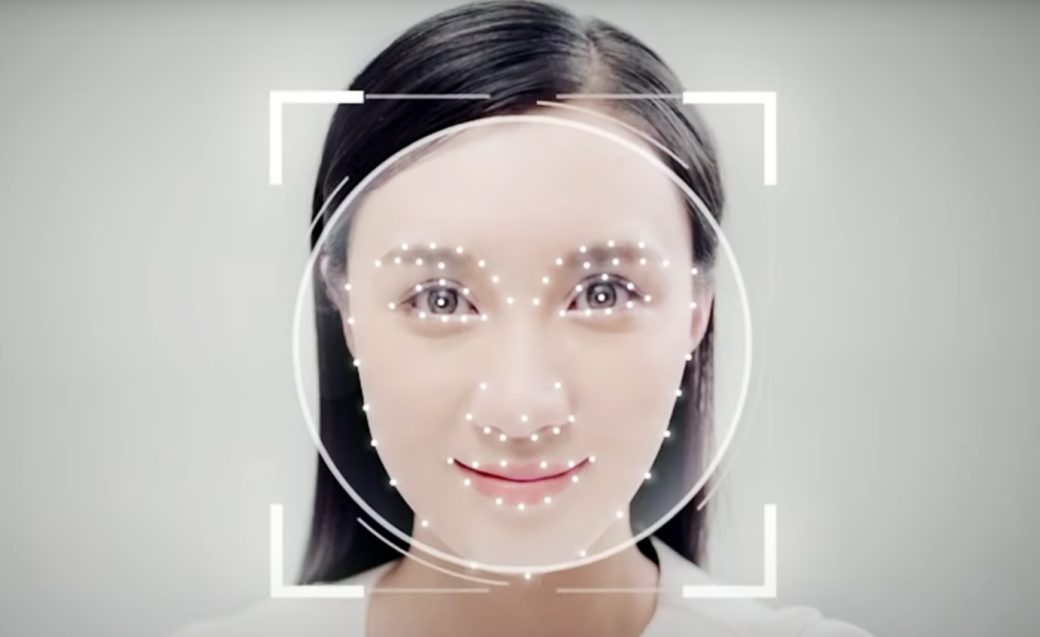
Facial recognition systems start with detecting a face within a photo or video stream. The software looks for patterns that indicate the presence of a human face, such as the eyes, nose, mouth, and jawline. This initial detection is crucial because any misstep here can throw off the entire recognition process. Once a face is located, the system converts it into a digital representation called a facial template, capturing the geometry and relative positioning of key features.
These templates are then compared against large databases of known faces to find a match. In public settings, like airports or events, real-time processing allows cameras and software to instantly check identities. Even smartphones use simplified versions of this process to unlock devices or authenticate users for payments. The foundational idea is consistent: detect, measure, and compare unique facial characteristics to recognize an individual.
Mapping Facial Features
Mapping facial features involves pinpointing landmarks such as the distance between the eyes, the width of the nose, and the shape of the jawline. Modern systems often use dozens of such points to create a highly detailed map of the face. These measurements, or facial descriptors, are resistant to minor changes in expression and lighting, allowing the system to identify the same person under slightly different conditions.
For example, even when someone smiles or tilts their head, the relative distances between key points remain consistent, which is what AI models exploit. Some systems also analyze skin texture, 3D contours, and infrared patterns to enhance accuracy. These combined data points allow computers to differentiate between faces that may appear visually similar to humans but are distinct in measurable ways.
Algorithms and Machine Learning
At the heart of facial recognition lies machine learning. Systems are trained on massive datasets of labeled faces, allowing algorithms to learn which features are most relevant for identification. Convolutional neural networks (CNNs) are commonly used to process facial images, extract features, and create embeddings—a numerical representation of the face.
When a new face is introduced, the system compares its embedding to stored embeddings, calculating similarity scores. High similarity indicates a likely match. Over time, these models improve through continuous training and feedback, becoming more accurate and resilient to variations in lighting, pose, and facial expressions.
Challenges and Limitations
Facial recognition systems face several challenges. Lighting conditions, extreme angles, occlusions like hats or masks, and aging can reduce accuracy. Moreover, biases in training datasets can lead to higher error rates for certain demographic groups. Developers continuously work on mitigating these issues by diversifying datasets, using 3D mapping, and incorporating infrared imaging.
Even with advanced technology, no system is perfect. False positives and false negatives can occur, which is why critical applications often combine facial recognition with other authentication methods or human oversight. Understanding these limitations is key for deploying facial recognition responsibly.
Real-world Applications
Facial recognition is now embedded in everyday technology. Smartphones use it to unlock devices, banks use it for secure authentication, and social media platforms suggest tags based on detected faces. In public safety, airports and law enforcement employ it for surveillance and identifying persons of interest. Companies also use facial analytics to study customer engagement or improve service experiences.
Each application relies on the same fundamental process: detect the face, map the features, compare against known templates, and make a decision. The context determines how strict the matching criteria are and which additional safeguards are in place to ensure privacy and security.
Privacy and Ethical Considerations
Handling biometric data responsibly is crucial to maintaining trust and protecting individual rights.
As facial recognition becomes more pervasive, privacy concerns grow. Storing and using biometric data carries risks, and unauthorized use can lead to surveillance overreach. Ethical deployment includes limiting access to sensitive data, obtaining consent where possible, and ensuring transparency in how recognition systems operate.
Developers, regulators, and users must balance the benefits of facial recognition with the need to safeguard civil liberties. Strategies include encryption of facial templates, anonymization, and clear usage policies. Responsible design and deployment are essential for building trust and avoiding misuse in both public and private sectors.