From Cold Storage To Smart Assistance
Not long ago, a refrigerator was just a cold box. Today, it’s becoming a digital sous-chef. The latest generation of smart fridges uses built-in sensors, cameras, and artificial intelligence to keep track of your groceries and even tell you what to cook for dinner. It’s a small revolution in home technology, turning everyday appliances into active helpers that learn from your habits and food preferences. The shift from storage to assistance shows how deeply connected our kitchens are becoming to data and algorithms.
Sensors And Cameras: Knowing What’s Inside
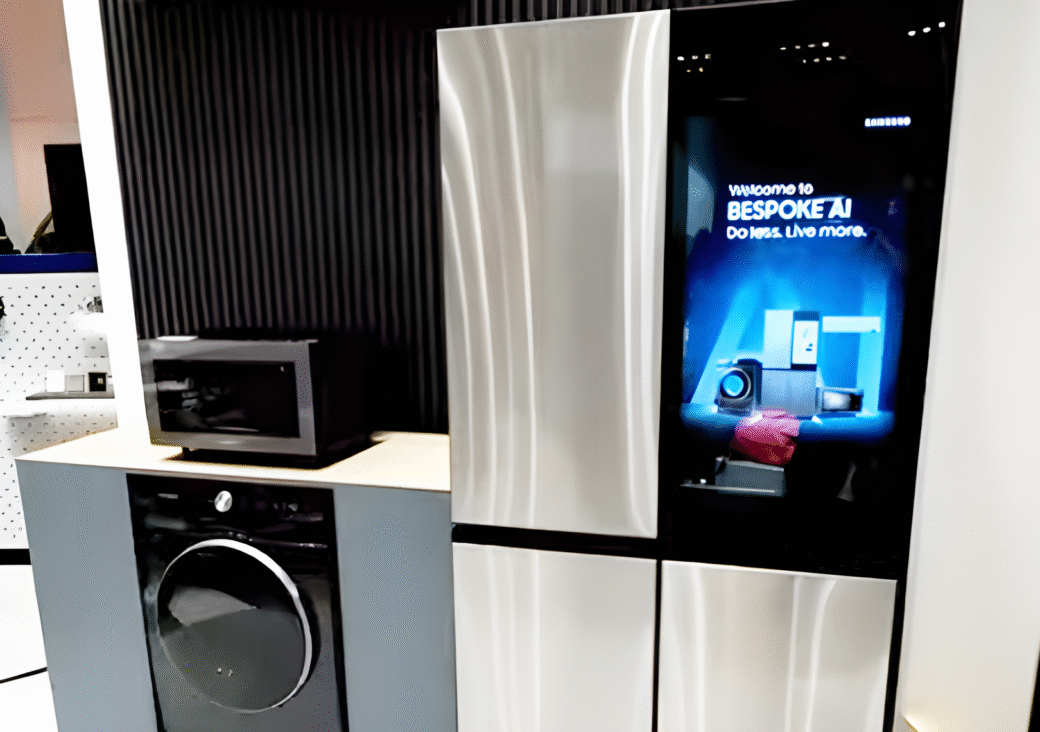
The process starts with awareness. Smart refrigerators are equipped with internal cameras that scan shelves and identify products. Some use image recognition algorithms to detect common items like milk, eggs, or vegetables, while others rely on barcodes or manual input. In more advanced models, sensors can estimate how full a container is or how long it’s been stored. For example, Samsung’s Family Hub system lets users view the inside of their fridge remotely, so they can check what they have while shopping. This visibility is the foundation for recipe suggestions — the fridge must first understand what ingredients are available.
Recipe Databases And Personalization
Once the fridge “knows” your ingredients, it connects to large online recipe databases. The system cross-references available foods with suitable recipes, filtering results by dietary preferences, cuisine type, or cooking time. Artificial intelligence plays a key role here — it learns from your previous choices and adjusts suggestions accordingly. If you often choose vegetarian options or avoid dairy, it will remember that. LG’s ThinQ technology, for instance, uses this data to suggest dishes that not only fit your inventory but also your taste profile. In a way, your fridge becomes a personalized meal planner powered by continuous learning.
Connecting With Apps And Daily Habits
Modern smart fridges don’t work in isolation. They’re part of a connected ecosystem that includes smartphones, voice assistants, and grocery apps. Through integrations with platforms like Google Assistant or Alexa, users can request recipes by voice or save missing ingredients directly to a shopping list. Some systems even analyze consumption patterns — noticing, for example, that you run out of yogurt every Tuesday — and prepare automatic grocery suggestions. Over time, the fridge builds a small but accurate picture of your household’s eating rhythm, adapting its advice to match real-life habits.
Privacy And Limitations
As with any connected device, privacy is a concern. Recipe suggestions depend on collecting data — images, food preferences, and sometimes even location information. However, most major brands anonymize this data or process it locally to reduce risk. The limitations are also technical: recognition algorithms can still confuse similar items, and the usefulness of suggestions depends on how accurately the fridge’s inventory is updated. Despite these imperfections, the systems are improving quickly as machine learning models refine themselves through thousands of user interactions worldwide.
The Next Step: Predictive Cooking
The next generation of smart refrigerators is expected to go beyond suggesting recipes. Predictive cooking is emerging — where the fridge not only recommends meals but also preemptively orders missing items or syncs with your oven to start preheating. It might even factor in expiration dates to minimize waste. The idea is that one day your kitchen will manage itself, offering you balanced options and guiding your cooking in real time. It’s not science fiction anymore — it’s the logical next step in the evolution of home technology.