From idea to industry
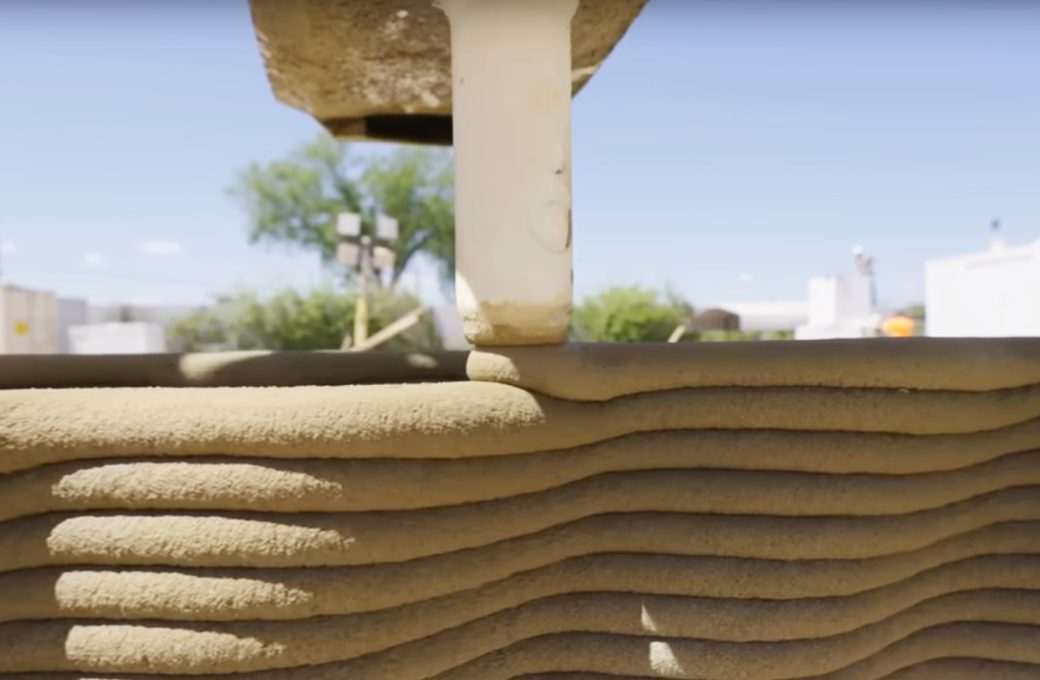
When the first 3D printers appeared in the 1980s, they were seen as experimental toys for engineers. Today, they build jet engines, prosthetic limbs, and even houses. The concept is simple but revolutionary: instead of cutting material away, a 3D printer adds it layer by layer until an object takes shape. That shift—from subtractive to additive manufacturing—changed how we think about making things. It also made production faster, cheaper, and more personal.
Imagine needing a replacement part for your bicycle. Instead of ordering it and waiting days, you could download a digital file, load the right material, and print it on the spot. What was once only possible in factories now fits on a desk. That’s the quiet power of 3D printing: it moves creation closer to the creator.
The layered logic
Every 3D print begins with a digital model. Designers use CAD software to sketch the object virtually, slicing it into thousands of cross-sectional layers. The printer reads this data and reconstructs it physically, one layer at a time. Depending on the technology—Fused Deposition Modeling (FDM), Stereolithography (SLA), or Selective Laser Sintering (SLS)—the printer might melt plastic, cure resin with light, or fuse metal powder with a laser beam.
Each layer adheres to the previous one with microscopic precision. It’s a bit like icing a cake, but the “frosting” is molten polymer or powdered titanium. Sensors monitor temperature, movement, and alignment constantly to prevent defects. The end result isn’t just a shell—it’s a solid, durable structure formed through controlled repetition.
Materials that make the magic
Plastic may be the most common printing material, but it’s far from the only one. Modern printers work with nylon, carbon fiber, ceramic, and even bio-inks made from living cells. For industrial use, metal powders such as aluminum and titanium allow engineers to produce lightweight yet incredibly strong components. Each material behaves differently: plastics cool fast and can warp; resins cure smoothly but need post-processing; metals demand precision lasers and extreme heat control.
Choosing the right material is a science of its own. Medical researchers, for instance, experiment with biocompatible gels that could one day print replacement tissues. Meanwhile, aerospace companies rely on titanium alloys to produce parts too complex for traditional machining. The possibilities depend as much on chemistry as on coding.
Precision, speed, and limits
Despite the hype, 3D printing still has limitations. It’s slower than mass production and often requires manual finishing. The resolution of layers can affect surface smoothness, and large-scale objects need hours—or days—to complete. Yet what it lacks in speed, it makes up for in flexibility. Prototypes that once took weeks to machine can now appear overnight, allowing faster innovation and cheaper testing.
Researchers are tackling these issues with smarter software, faster motors, and multi-material printers that can blend textures or functions in a single build. Some even use AI to predict and correct printing errors before they occur. The boundary between design and production grows thinner every year.
Real-world uses
Beyond the lab, 3D printing is already transforming industries. Surgeons use it to plan operations with printed organ models. Automotive engineers print tools and parts directly on the factory floor. Architects design experimental homes made from concrete extrusion. Even artists and fashion designers use it to push creative boundaries—printing jewelry, shoes, and sculptures that couldn’t exist otherwise.
NASA, for instance, uses 3D printers aboard spacecraft to manufacture tools in zero gravity, reducing cargo weight and enabling repairs on demand. The same principle applies to disaster relief, where portable printers can create essential supplies on-site. Every new use case reinforces a central truth: when design meets material directly, innovation follows naturally.
Looking ahead
As printers become cheaper and more capable, the line between consumer and manufacturer continues to blur. Students print their own robots; small businesses print spare parts instead of buying inventory. In the long run, 3D printing could redefine global supply chains—favoring local, on-demand production over mass shipping. But it will also raise new questions about intellectual property, waste, and regulation.
3D printing isn’t about replacing factories—it’s about rethinking what a factory can be.
For now, one thing is clear: the machines that print our ideas are here to stay. And with each new layer they build, they’re reshaping not just objects—but the very process of creation itself.