Introduction To Biometric Security Why It Matters
In a world where passwords can be stolen, guessed, or leaked, biometric security has become a cornerstone of personal and organizational protection. From unlocking smartphones to passing airport security, biometrics promises a layer of identification that’s uniquely yours. But what exactly makes it so reliable, and how do these systems actually know it’s you? Understanding the fundamentals of biometric systems not only demystifies the technology but also helps us appreciate the balance between convenience and security. Let’s dive into the science and the real-world impact.
Common Biometric Technologies And How They Capture Data
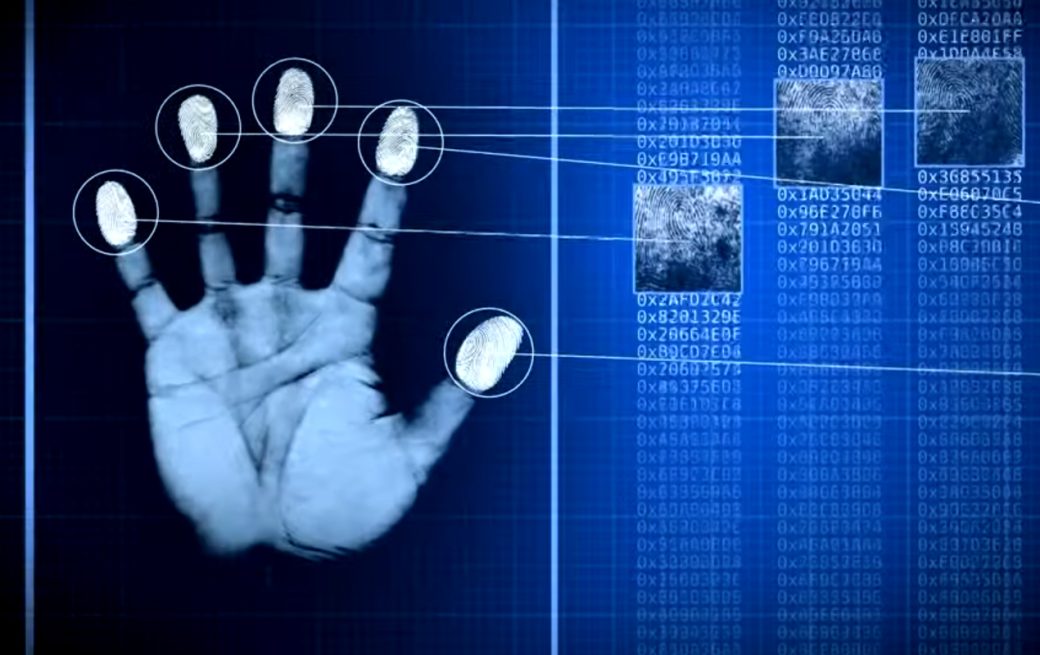
Biometric systems rely on physical or behavioral characteristics that are unique to an individual. Fingerprints are the classic example: tiny ridges and valleys on your fingertips are scanned and converted into a digital template. Facial recognition systems analyze the geometry of your face, mapping distances between eyes, nose, and mouth. Iris scanners focus on the complex patterns of your eye, while voice recognition measures frequency, pitch, and tone. Even typing patterns or walking gait can be used for authentication. Each technology starts by capturing data through a sensor and translating it into a mathematical representation that a computer can understand. This step is crucial because it ensures your unique features can be compared and verified consistently.
The Science Behind Recognition Algorithms And Matching
Once a biometric feature is captured, the system uses algorithms to convert it into a digital template—a series of points, lines, and patterns that represent the individual. These templates are stored securely, often in encrypted formats, and matched against incoming scans. Matching involves calculating the similarity between the stored template and new input, considering factors like noise, angle, and environmental conditions. For example, a fingerprint scanner might use minutiae points—the tiny intersections and endings of ridges—to confirm a match, while facial recognition software uses deep learning to identify patterns in light and shadow across your face. This combination of data capture, processing, and matching is what makes biometrics both fast and difficult to spoof.
Real-World Applications From Smartphones To Airports
Biometric security isn’t just a futuristic concept; it’s integrated into everyday life. Smartphones use fingerprint and facial scans to unlock devices and authorize payments. Airports employ iris and facial recognition to speed up boarding and enhance security. Banks are increasingly using voice recognition for customer service, while workplaces use fingerprints or facial scans to control access. A notable example is Delta Airlines, which uses facial recognition to streamline passenger boarding, reducing the need for boarding passes while maintaining high security standards. Even in healthcare, biometric systems ensure that sensitive patient records are accessed only by authorized staff, minimizing risks of data breaches.
Security Challenges And Privacy Concerns
Despite their advantages, biometric systems are not infallible. Sensors can be tricked, and templates can be stolen if not properly secured. Unlike passwords, you can’t change your fingerprints or iris patterns if they are compromised. Additionally, the widespread use of biometrics raises privacy concerns, especially when companies store facial or voice data on cloud servers. Regulations like GDPR in Europe impose strict rules on how biometric data can be collected and processed, highlighting the need for responsible use. Users should be aware of what data is stored, where, and how long it remains in the system, and organizations must prioritize encryption and secure storage.
Future Trends What’s Next In Biometrics
The future of biometric security is heading toward multimodal systems that combine fingerprints, facial recognition, and behavioral analysis for higher accuracy. AI and machine learning are improving recognition speed and reducing false positives. Wearable technology might soon continuously authenticate users, creating seamless security without explicit logins. Additionally, privacy-preserving techniques like decentralized storage and on-device processing are emerging to address concerns over data misuse. The ultimate goal is a world where security is strong yet unobtrusive, protecting identities while respecting personal privacy.
Practical Tips For Users And Organizations
Use biometric features wisely, but don’t rely solely on them.
For everyday users, it’s important to combine biometrics with traditional methods, like PINs or passwords, for added security. Keep your devices updated to benefit from the latest security patches. Organizations should implement encryption, limit data access, and train staff on privacy protocols. Regular audits of biometric systems help prevent unauthorized access, while transparency with users builds trust. In essence, understanding how these systems work empowers everyone to use them safely and confidently.