What “Most‑Followed” Means In 2025
In 2025, when someone asks “who’s the most‑followed fitness coach online,” they usually refer to social media as the measuring stick — typically Instagram, YouTube, TikTok or a combination. Because fitness transcended gym walls long ago: workouts, nutrition plans, motivation, training tips — всё переместилось в ленты и видео. The number of followers, subscribers, or viewers becomes a proxy for reach and influence. A coach with millions of followers has a platform to shape trends, inspire people, and sometimes even influence how fitness is understood globally. But it’s worth remembering — reach and influence are related, not identical.
Counting followers gives a rough snapshot. Yet it doesn’t describe the quality of engagement, the credibility of advice, or suitability of programs for a given person. That’s why “most‑followed” is a useful label — but not a guarantee of the best coach or plan.
Examples Of Coaches With Huge Followings Online
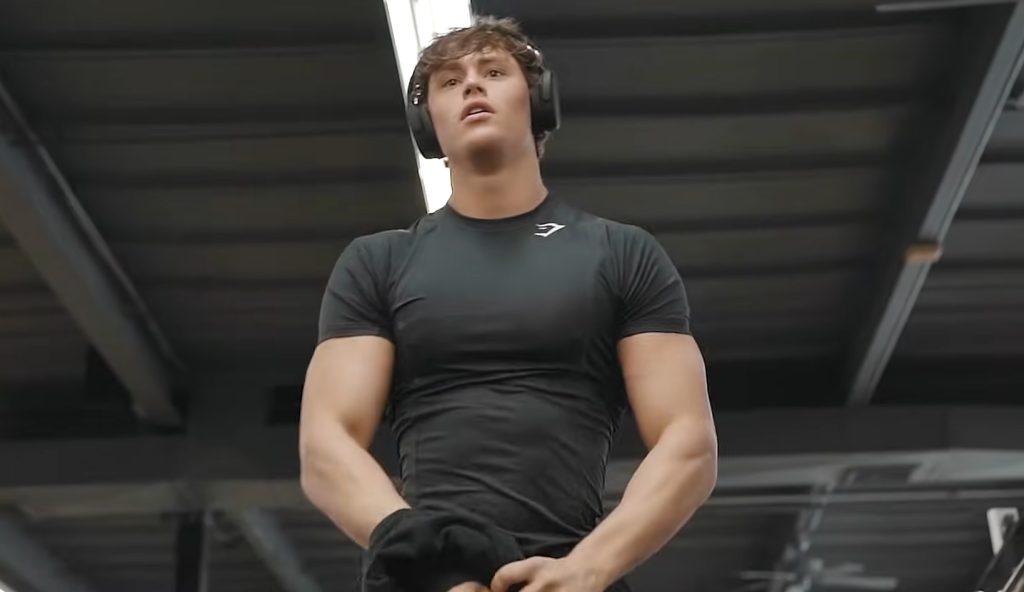
Among the many fitness personalities active online, a few names stand out in 2025 by the size of their audiences. For example, David Laid — a fitness model, influencer and YouTuber — lists over 5.7 million Instagram followers as of late 2025. His YouTube channel and social content focus on strength training, lifting transformations and lifestyle, which helped build a large, international following.
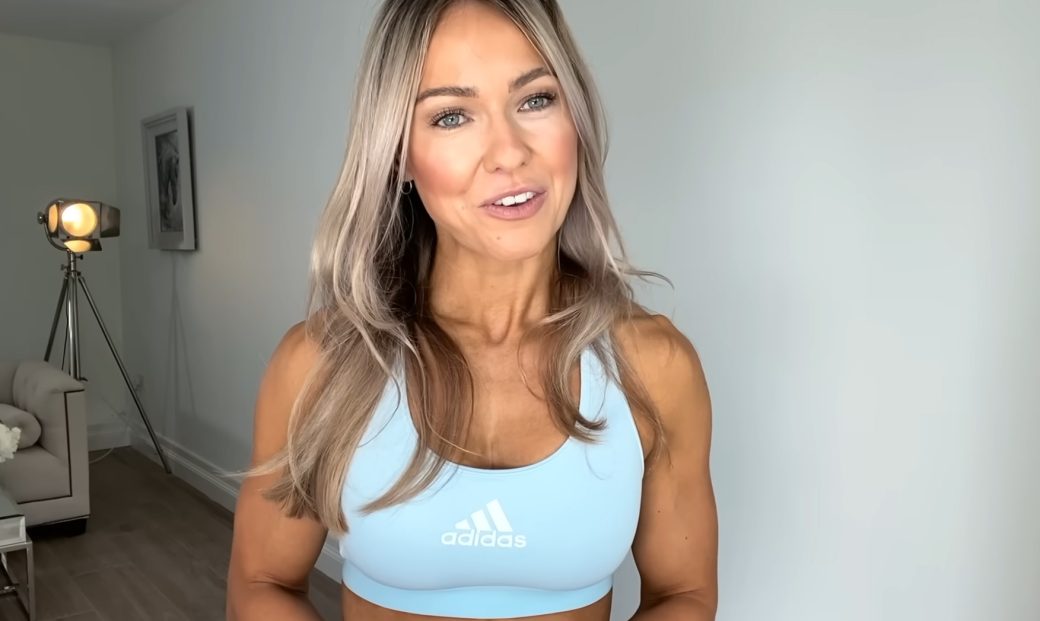
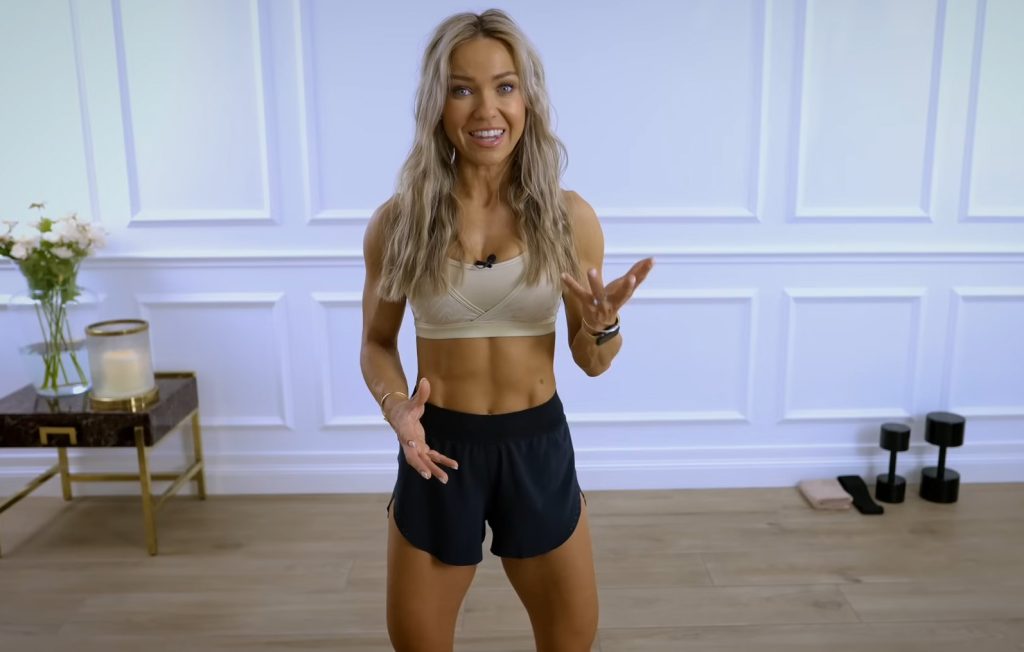
Another prominent figure is Caroline Girvan — a personal trainer from Northern Ireland — whose YouTube channel counts around 4 million subscribers as of March 2025. Girvan became especially popular during lockdown periods when she began releasing home workout routines, making effective training accessible to people without gym access. Her success demonstrates how relatable, honest content — not flashy advertising — can attract a large audience.
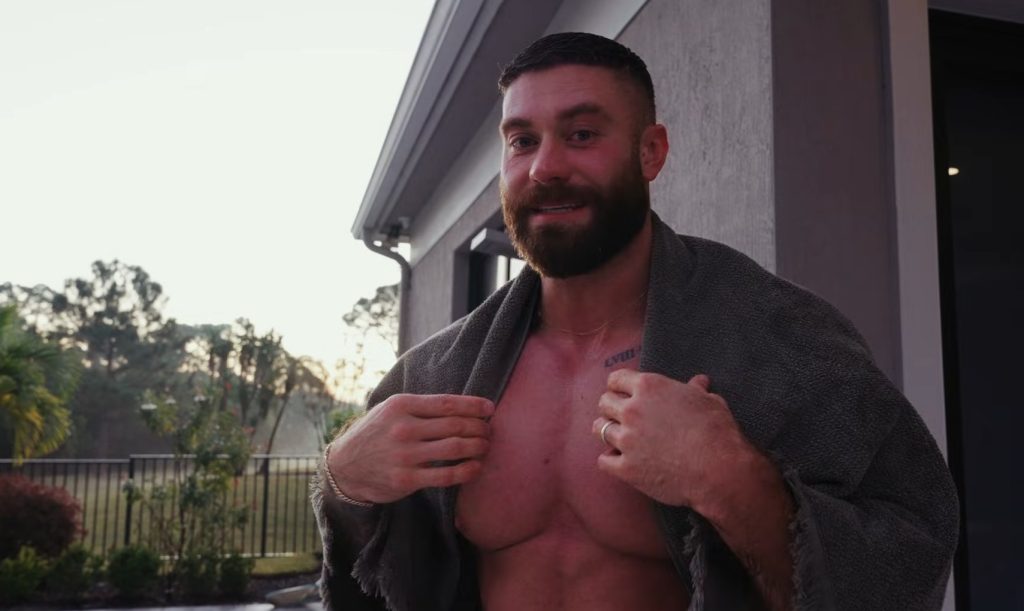
Also worth attention is Chris Bumstead (also known as “Cbum”) — widely listed among top fitness‑influencers with some of the highest follower counts globally as of 2025. While exact numbers vary depending on the platform and counting method, he consistently appears in public rankings of most followed fitness coaches and influencers.
Why They Built Such Large Online Audiences
What do these coaches have in common? First — accessibility. Whether you live in a small town or a big city doesn’t matter: you can follow their workouts online, adapt them to your home gym or local fitness club. David Laid uploads transformation‑focused content; Girvan offers body‑weight or minimal‑equipment routines; Bumstead mixes bodybuilding and lifestyle content. This versatility makes them relevant to many demographics.
Second — consistency and authenticity. Posting regularly, showing real progress and setbacks, and being open about limitations or realistic expectations resonates with audiences. For many followers, it’s more inspiring to see a trainer who started modestly and improved over years than a “perfect” athlete with unattainable standards. Third — cross‑platform presence: Instagram for quick tips and lifestyle moments, YouTube for full workouts and detailed guidance, sometimes TikTok for short motivation clips. That multiplies reach and makes fitness content available in different formats for different lifestyles.
Why Follower Counts Are Not A Complete Measure
Large followings can bring visibility — but they can’t guarantee quality. Algorithms favour visually appealing content, engagement tricks, or trendy formats. That means popularity sometimes reflects good marketing rather than best practice. A coach with millions of followers might post flashy workouts or transformations, but the routine might not suit you, or lack scientific grounding.
Moreover, the demographic and geographic distribution of followers matters. A coach popular in one region might attract a huge audience locally, but their advice may not translate well for people elsewhere — different equipment, lifestyle constraints, nutritional norms. Also, not all platforms are equal: a coach with many Instagram followers but little YouTube content may offer less depth than one with fewer followers but more structured programming.
Finally, follower numbers can be inflated: bots, passive followers, people who watch only once and never return. Engagement — real comments, repeated interaction, results shared by followers — gives a more honest picture of influence. So follower count is a starting point, not a guarantee.
Choosing A Coach As A User
If you’re browsing online fitness coaches and see someone with millions of followers — it’s okay to take notice. But before trusting their plans, it’s useful to check a few things: Are their programmes transparent (workout plans, nutrition advice, disclaimers)? Do they show realistic expectations and inclusive approach (beginners welcome)? Is there evidence of consistency and long‑term thinking (not just quick transformations)? What kind of audience engagement do they have (comments, follow‑up posts, community interaction)?
Popularity may bring visibility — but health and fitness always demand personalization, realism and responsibility.
Large reach can be an advantage — more followers means more social proof, more diverse feedback, and often more resources to produce quality content. But fitness is personal: what works for thousands may not work for you. Use “most‑followed” as a signal — not as proof.