Common Situations That Lead People To Keep Lights On
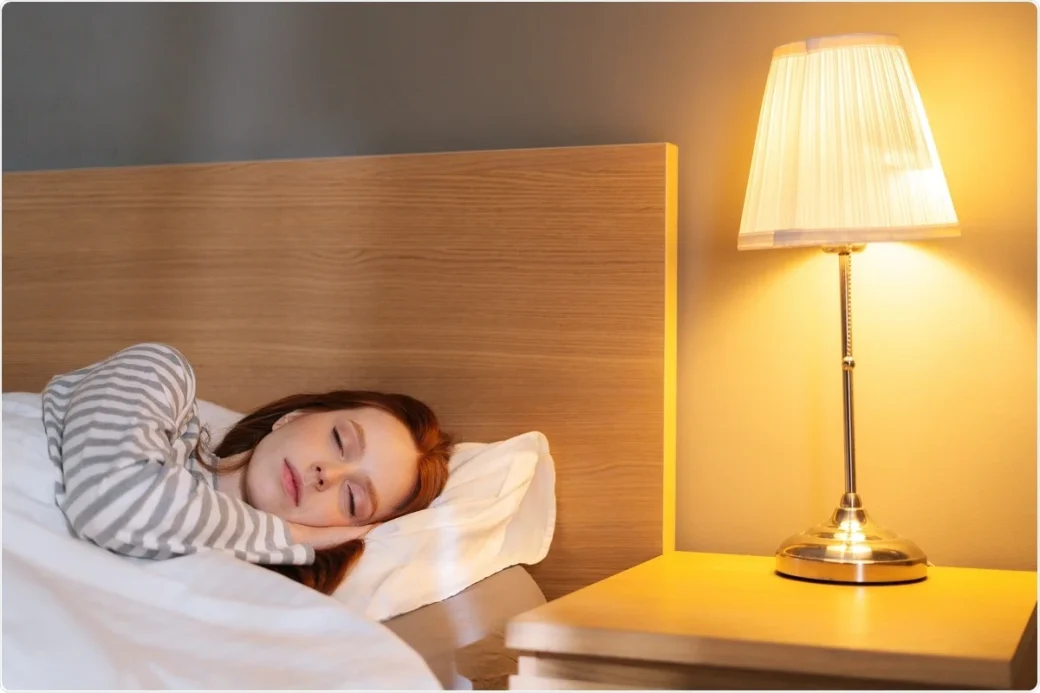
It might seem strange at first, but sleeping with lights on is more common than people admit. Many adults, teens, and even children occasionally leave a nightlight or lamp glowing while they sleep. Some people do it out of habit, having grown up with a dim light during the night. Others find themselves in unfamiliar environments—like hotels or new apartments—where darkness feels unsettling. The simple presence of a light can create a sense of continuity and familiarity, reducing stress when transitioning to sleep in new settings.
Even in well-known spaces, small practical concerns can make lights feel necessary. Parents may leave a hallway light on to check on children easily. Some individuals use a nightlight to navigate bathrooms or hallways without tripping. This practical aspect intersects with psychological comfort, as knowing the room is slightly illuminated can make the space feel safer.
Interestingly, technology also plays a role. Screens from phones, computers, or televisions produce light that can influence sleep habits. Even if people intend to sleep in darkness, these digital light sources sometimes trick the brain into perceiving it as slightly lit, reinforcing the habit of needing illumination.
Psychological Comfort And Security Factors
Darkness can trigger feelings of vulnerability for many. From an evolutionary standpoint, humans were conditioned to be cautious in the dark, as nighttime presented threats from predators and unseen dangers. Today, these instincts still influence our perception of safety. Sleeping with lights on can counteract the innate anxiety that darkness sometimes evokes.
The presence of light often provides a subtle, yet tangible, sense of control and reassurance during sleep.
For some, leaving a light on is a way to manage mild anxiety or stress. The soft glow can function as a calming anchor, preventing racing thoughts or fear of the unknown. This form of self-soothing is not pathological; it is a natural extension of the human need for comfort and safety. In this context, light is more than just illumination—it becomes an emotional buffer that supports mental well-being during rest.
Even adult sleepers may unconsciously associate a dim light with emotional security. It can signal continuity with childhood experiences, comforting routines, or the presence of others in the household. These psychological cues reinforce the desire to keep a lamp or nightlight active.
Childhood Habits And Conditioning
Many adult light-on sleepers began the practice as children. Parents often leave nightlights to comfort children who fear monsters or complete darkness. Over time, this habit can persist into adulthood. The brain associates light with safety, and removing it may cause anxiety or disrupt sleep patterns.
Habituation is a powerful factor. Once a person regularly sleeps with light, their nervous system may expect this environmental cue. Even brief exposure to darkness might trigger subtle stress responses, making it difficult to relax fully. Changing this habit requires awareness and gradual adjustment rather than abrupt elimination.
In some cases, family dynamics play a role. Children who share bedrooms or move frequently may develop preferences for light to maintain consistency across environments. These childhood patterns can remain embedded, influencing adult sleep choices and behaviors in ways people may not consciously recognize.
Sleep Disorders And Health-Related Causes
Sleep-related conditions sometimes contribute to the need for light. Individuals with insomnia, night terrors, or anxiety disorders may feel safer and more grounded with illumination. The light can reduce sudden wakefulness or minimize feelings of panic during nighttime arousal.
Other health factors include circadian rhythm disruptions or sensitivity to darkness. For instance, people who are visually impaired or have partial night blindness may rely on ambient light to orient themselves during the night. Similarly, urban dwellers who experience inconsistent exposure to natural light during the day may feel unsettled in complete darkness at night.
Although light can interfere with melatonin production, careful selection of low-intensity, warm-colored lighting can mitigate negative effects while providing comfort. In these cases, balancing physiological needs with emotional security becomes a personal strategy for better sleep management.
Environmental Influences And Urban Living
Modern city environments play a significant role. Streetlights, illuminated signs, and indoor lighting from neighboring buildings contribute to ambient light pollution. Individuals living in urban areas may not experience total darkness even when all home lights are off. This partial illumination can normalize the habit of sleeping with lights on, or at least create tolerance for low-level light during sleep.
Additionally, concerns about safety can influence light preferences. People living in high-density or high-crime areas may feel more secure leaving a light on, even when inside their own homes. Light here functions as a subtle deterrent and psychological safeguard.
The cultural environment also matters. In societies where night-time activity or late work hours are common, people may rely on light cues to regulate sleep schedules. Urban living conditions can normalize lighted sleeping habits, blending necessity with lifestyle preferences.
Coping Mechanisms And Strategies For Better Sleep
For those who wish to reduce reliance on lights, gradual adjustment is key. Starting with dim nightlights or red-toned bulbs can maintain comfort while signaling the brain to adapt. Techniques like relaxation exercises, meditation, or white noise machines also help alleviate anxiety related to darkness.
Some people find success in creating consistent bedtime routines. Predictable sequences of pre-sleep activities reinforce the sense of security, reducing dependence on external light. Exposure to natural daylight during the day can strengthen circadian rhythms, making darkness feel less intimidating at night.
Ultimately, understanding the reasons behind lighted sleeping allows individuals to make informed choices. Whether keeping a lamp on is a personal comfort or a transitional strategy, being aware of the psychological, environmental, and health factors helps optimize sleep quality while maintaining emotional well-being.
Broader Implications For Sleep Hygiene And Well-Being
Sleeping with lights on highlights the interplay between human psychology, environmental conditions, and modern lifestyle habits. While some may view it as a minor quirk, it reflects broader issues in sleep hygiene and mental health. Recognizing individual differences and environmental pressures can improve public understanding of sleep patterns.
For parents, caregivers, and urban residents, acknowledging the reasons behind this habit can guide choices about lighting, bedroom design, and bedtime routines. It also provides insight for healthcare providers addressing insomnia, anxiety, or sleep disorders, suggesting interventions that respect emotional comfort alongside physiological needs.
By exploring why people sleep with lights on, we gain a clearer picture of human adaptability and the subtle ways habits and environmental factors shape nightly rest. Addressing these behaviors thoughtfully can enhance both sleep quality and overall well-being, supporting healthier lifestyles in diverse living contexts.