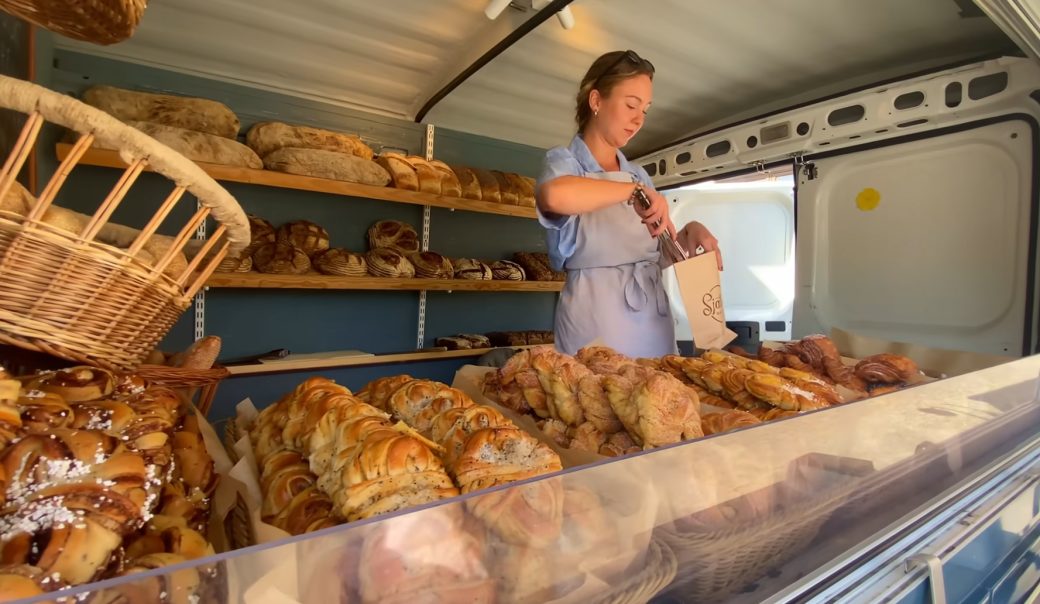
The Morning Tradition Behind Pastry Culture
Walk into any European or North American bakery early in the morning, и you’ll notice the same ritual: trays of fresh croissants, danishes, brioche, often gone by lunchtime. This isn’t just tradition — although tradition definitely plays a role. Historically, bakeries organized their day around bread, which required long fermentation cycles overnight and finishing at dawn. Pastries naturally fell into the same schedule because the same kitchen, tools and staff were used.
Many classic pastries — especially laminated dough items like croissants or pain au chocolat — are tied to an early-morning structure. Proofing, folding, chilling, and baking all require long, carefully spaced steps. That means most products are ready only around sunrise. Instead of making multiple batches, bakeries learned to concentrate production when both staff and ovens are available.
A lot of customers expect pastries as a morning comfort food. Coffee shops, commuters and early risers form stable demand patterns. Once these habits formed, bakeries optimized their workflows around them.
How Production Schedules Shape What’s Sold — And When
Pastry timing looks romantic from the outside, but behind the counter everything is tightly regulated. Dough for croissants or puff-pastry items usually starts the evening before. The classic method of lamination — folding butter into dough repeatedly — requires chilling between steps. This often stretches the process to 10–16 hours depending on the recipe.
Because the schedule already ends near dawn, most bakeries simply don’t have the physical room or resting time to run another pastry cycle midday. Their ovens are often occupied with bread production later in the day, and staff shift patterns are not designed around multiple pastry batches.
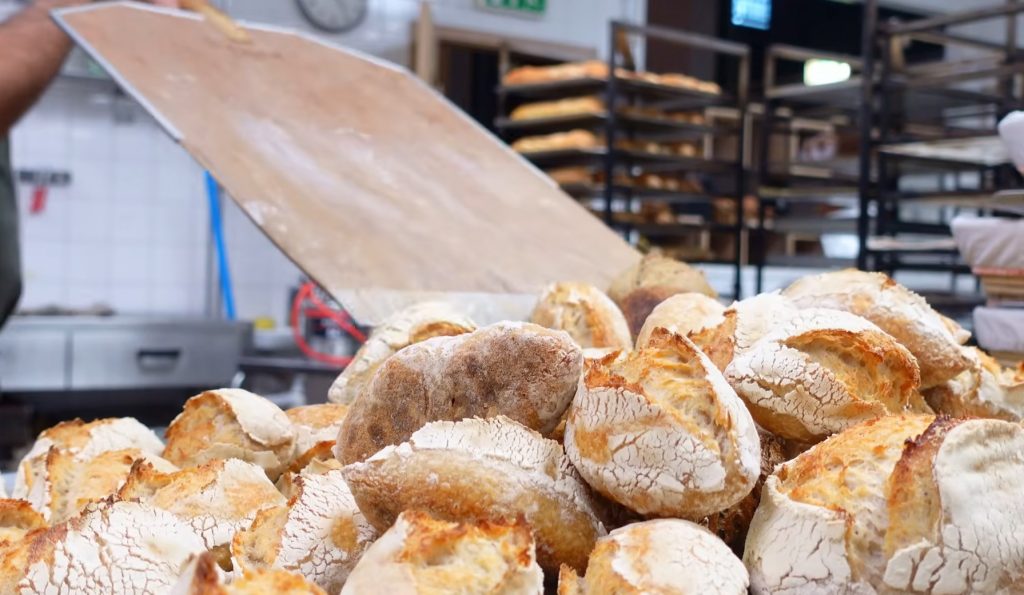
Many artisan bakeries follow fixed overnight fermentation and early baking cycles. This keeps timing predictable and quality consistent.
In small independent bakeries, the kitchen layout is another limiting factor. There may be only one proofer, one laminator or one temperature-controlled bench. A second run would interrupt bread prep or cakes, so owners avoid it unless there is guaranteed demand.
Why Freshness Standards Make Afternoon Batches Rare
Pastries decline fast. A croissant that is perfect at 7:00 a.m. already tastes different at noon: the crumb dries, the butter aroma fades, and the delicate layers lose crispness. Customers notice. Bakeries know this, поэтому deliberately avoid selling “tired” pastries later in the day.
Many shops even follow internal rules about maximum shelf time — often around 4–6 hours for laminated dough. Some bakeries state it publicly; others just quietly remove fading items. Selling yesterday’s pastries is generally unacceptable for shops positioning themselves around quality.
Because freshness is so central, bakeries prefer to have one large morning batch instead of multiple smaller afternoon ones, which would require repeating labor-intensive processes with much lower return.
The Business Logic: Labor, Waste, Margins, and Predictability
Behind every croissant is a business decision. Labor is the biggest expense in most bakeries, especially skilled labor capable of proper lamination. Running a second batch midday means paying extra hours or adding additional staff for a product that sells poorly in the afternoon.
Waste is another concern. Afternoon foot traffic rarely justifies a full pastry cycle. Shops risk throwing out unsold trays, which destroys margins. In contrast, morning demand is consistent and highly predictable — commuters, parents after school drop-offs, café suppliers.
There’s also the question of oven use. Many bakeries switch to bread, pies, or wholesale orders later in the day. Pastries take up prime oven time. Giving that slot to something with guaranteed demand simply makes more financial sense.
Consumer Habits Reinforce the Morning Pattern
Even if a bakery wanted to introduce afternoon pastries, customer rhythms often make it unprofitable. People associate pastries with breakfast, morning coffee and early errands. Afternoon cravings shift toward sandwiches, cakes, or savory items — not croissants.

Cafés and restaurants that buy wholesale rarely take pastry deliveries after early morning. With wholesale orders concentrated in the first hours of the day, bakeries naturally produce everything on a single schedule.
Over decades, a loop formed: customers expect pastries early, bakeries bake early to meet expectations, and so the pattern strengthens itself.
When Pastries Are Sold Later — And Why It’s Uncommon
Some large chains or supermarkets offer pastries throughout the day. But this usually relies on frozen, pre-shaped, industrial dough baked in small batches. It’s a different product category, with different expectations.
Artisan bakeries occasionally run an afternoon batch — but it’s tied to weekends, special events or unusually high demand. Even in those rare cases, bakers often warn customers about limited availability.
Consistent afternoon pastry production is uncommon because it demands a second full workflow cycle that rarely pays for itself.
So when a bakery offers pastries only in the morning, это не каприз и не маркетинговый трюк. Это оптимальная комбинация качества, традиции, вкуса и экономики.