The Role Of Nectar And Pollen In Flower Selection
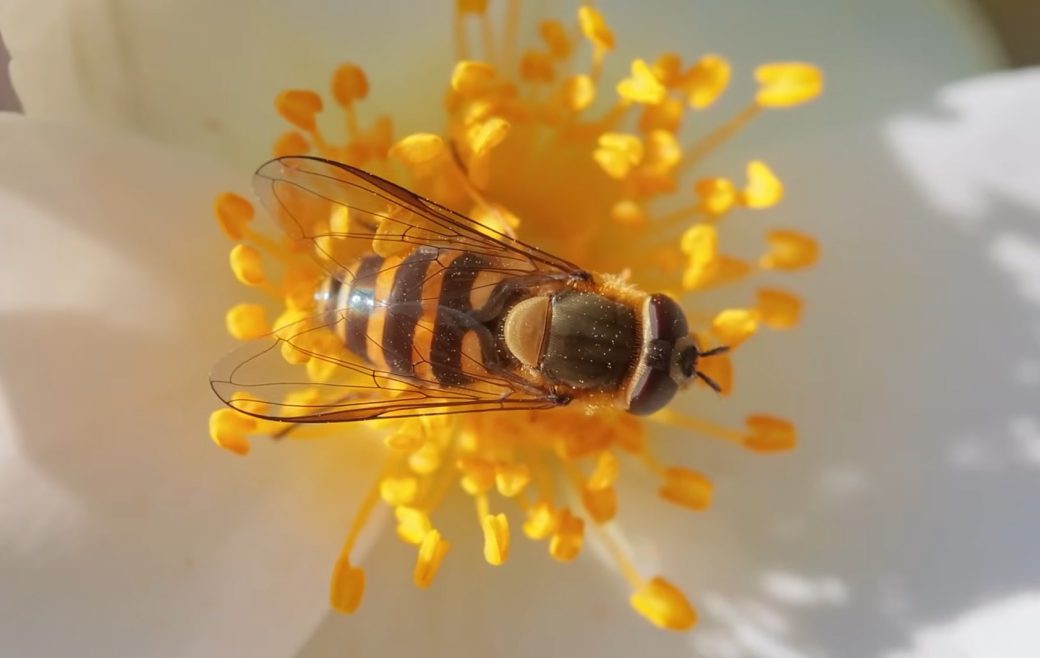
Bees are highly efficient foragers, and their flower choices are strongly influenced by the availability of nectar and pollen. Nectar provides essential carbohydrates, giving bees energy for flight and daily activities, while pollen supplies protein and other nutrients critical for larval development. Flowers that offer abundant, easily accessible nectar are naturally more attractive to bees. Studies show that bees can remember which flower species yield the richest rewards and will return consistently, a behavior that enhances pollination efficiency. This preference is not random; it is based on a complex assessment of nutritional value and accessibility, ensuring bees maximize energy intake while minimizing foraging effort.
Research has also highlighted that certain flower colors and structures correlate with nectar richness. For instance, tubular flowers often have high nectar content at deeper layers, and bees have evolved specialized body structures to extract it efficiently. By visiting flowers that provide optimal rewards, bees not only feed themselves but also ensure effective pollen transfer, supporting plant reproduction across ecosystems.
Visual And Olfactory Cues That Attract Bees
Beyond the nutritional content, bees are guided by strong visual and scent cues. Many flowers display ultraviolet patterns invisible to humans, which act as ‘nectar guides’ leading bees directly to the food source. These visual markers make it easier for bees to locate and harvest nectar quickly. Additionally, floral scents play a critical role: compounds like linalool and geraniol signal the presence of nectar from a distance, attracting bees even before they can see the flower. The combination of sight and smell ensures that bees can identify the most rewarding flowers in diverse environments efficiently.
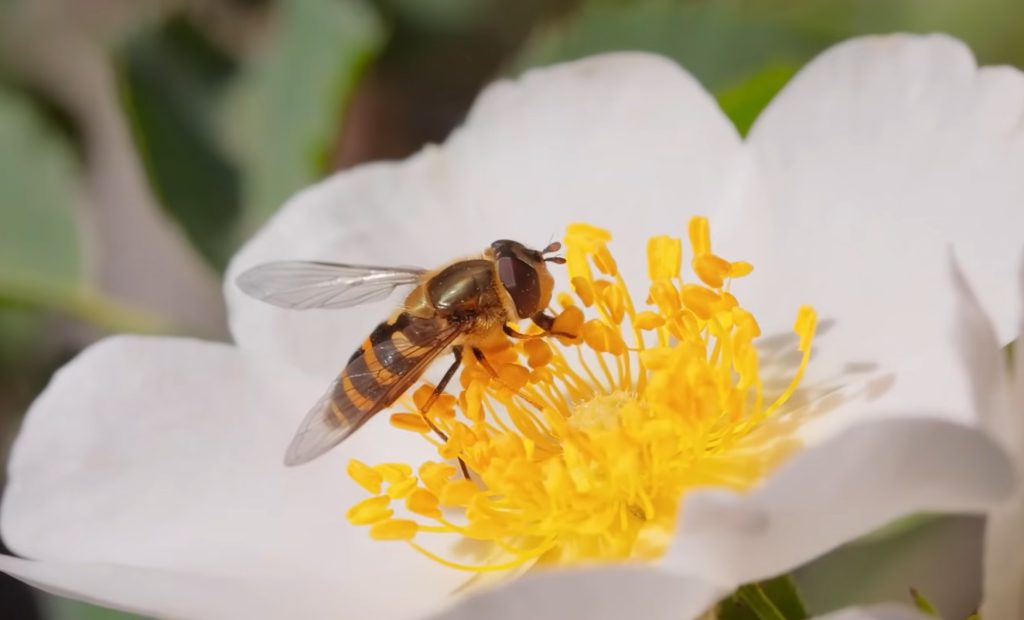
Interestingly, bees can differentiate between subtle variations in scent and color, demonstrating an advanced cognitive ability to assess quality. This selective behavior shows that bee-flower interactions are highly tuned, reflecting millions of years of co-evolution between pollinators and flowering plants.
How Flower Shape And Structure Influence Bee Visits
The physical architecture of a flower significantly affects bee visitation patterns. Flowers with shapes that allow easy landing, such as daisy-like inflorescences, are preferred because they reduce the energy required to access nectar. Conversely, complex or deep flowers may favor only certain bee species with specialized body parts capable of reaching the nectar. This structural preference explains why some flowers are consistently visited by specific bee types. For example, bumblebees can access deep tubular flowers that honeybees cannot, shaping both plant reproductive strategies and pollinator behavior.
Moreover, flowers with clustered blooms or accessible landing platforms are more likely to be visited repeatedly, increasing pollination success. This dynamic interaction highlights how morphology and pollinator anatomy co-influence the ecosystem, guiding both evolution and daily foraging behavior.
Environmental And Seasonal Factors Affecting Preferences
Bee preferences are also shaped by environmental conditions and seasonal availability. Temperature, humidity, and sunlight intensity can alter nectar production and flower opening times, influencing which flowers bees visit. In early spring, when few flowers bloom, bees may exhibit more generalist behavior, visiting multiple species. As seasons progress and more options become available, they become more selective, often favoring flowers with higher nectar content and optimal accessibility. Geographic location also matters; plants and bees in Europe might display different patterns than those in North America due to regional flora and climate differences.
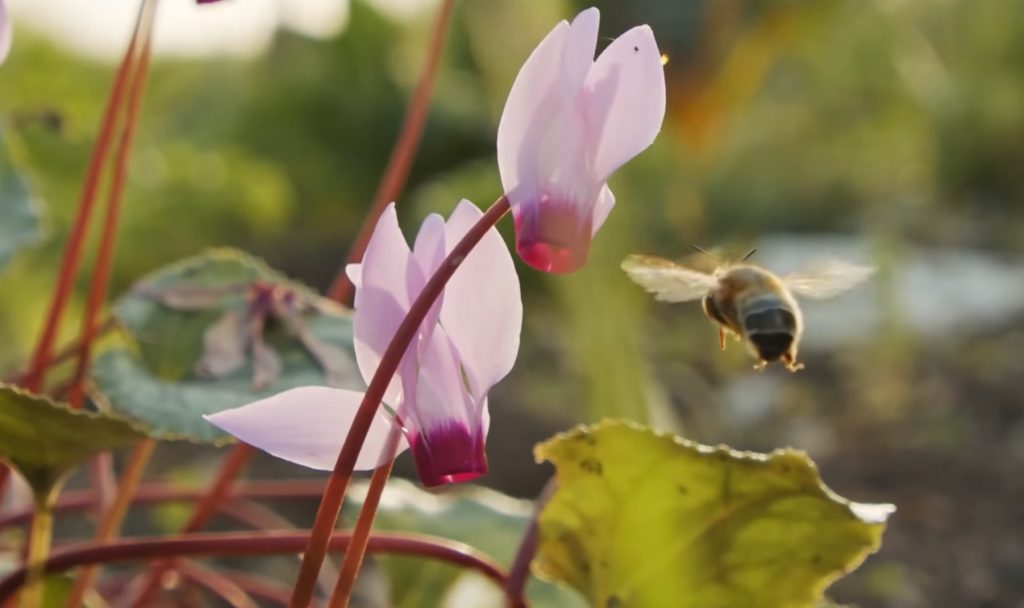
Urban environments can further influence bee flower preferences. Bees may prefer gardens with diverse flowering plants offering continuous nectar supply rather than isolated flowers. Understanding these environmental factors helps ecologists and gardeners support pollinator health and enhance local biodiversity.
Co-Evolution Between Bees And Specific Plant Species
Over millions of years, certain flowers and bees have co-evolved to suit each other’s needs. Flowers develop colors, shapes, and scents that attract particular bee species, while bees evolve body structures and foraging strategies tailored to those flowers. This relationship ensures efficient pollination: flowers receive targeted visits, and bees obtain optimal food sources. Classic examples include the interaction between the red clover and bumblebees or sunflowers and honeybees. Co-evolution explains why some flowers are rarely visited by bees not adapted to their structures, underscoring the selective nature of these interactions.
These evolutionary dynamics demonstrate that bee preferences are not arbitrary but are part of complex ecological relationships that have shaped ecosystems worldwide.
Observing Bee Behavior In Gardens And Wild Habitats
For anyone interested in pollination, observing bees provides practical insights into their flower preferences. Gardeners can track which species attract the most bee visits and optimize planting strategies accordingly. In wild habitats, careful observation reveals patterns of visitation, competition, and co-evolutionary interactions. Documenting these behaviors helps scientists understand pollinator health, ecosystem balance, and plant reproduction efficiency. By watching bees, we witness a delicate dance of biology, ecology, and evolution that maintains biodiversity and supports agricultural systems.