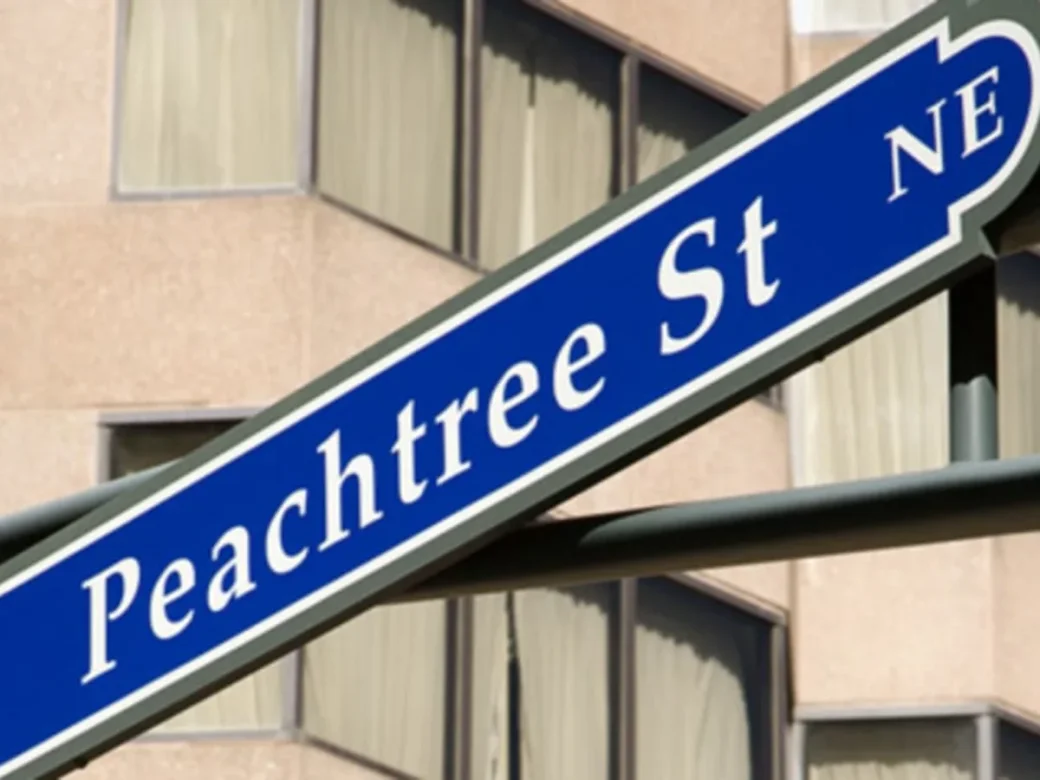
The Power Behind Everyday Names
Every new neighborhood starts as a map full of empty lines — until someone decides what those lines will be called. Street names shape how people relate to their surroundings, and they often reveal something about the city’s history, values, or even its marketing strategy. A charming “Willow Lane” feels different from a bold “Pioneer Drive.” Developers and city planners understand that distinction deeply, and naming a street becomes a subtle act of storytelling.
In many ways, naming streets is about more than direction; it’s about identity. A name can suggest safety, nostalgia, or prestige. For example, real estate developers in the United States have long favored nature-inspired names like “Cedar Grove” or “Lakeview Boulevard” to evoke calm suburban living — even when there’s no lake or cedar tree in sight.
Street names are quiet storytellers — carrying echoes of local history, culture, and aspiration.
Who Actually Names the Streets?
The process usually begins with the developer. When a new subdivision or commercial complex is built, the developer proposes a set of names to the local authority — often the city’s planning or public works department. These names are then reviewed to ensure they comply with regulations. The criteria may include uniqueness (to avoid confusion for emergency services), cultural sensitivity, and compliance with local naming conventions.
In many municipalities, there’s an official naming committee made up of planners, historians, and community representatives. They assess each proposal for historical significance, clarity, and alignment with the city’s character. In some regions, Indigenous groups or local heritage societies are also consulted to ensure inclusivity and respect for original place names.
Ultimately, the city council or relevant department approves the final list. Once approved, the names are entered into geographic databases, printed on signage, and added to postal and emergency maps — marking the birth of a new piece of geography.
Balancing Creativity and Regulation
While naming may seem like a small creative task, it’s surprisingly constrained by bureaucracy. Emergency response systems require that each name be unique within a region to prevent misdirection. For instance, if a city already has a “Main Street,” adding a “Main Avenue” nearby might cause delays for ambulances or postal workers.
In addition to safety concerns, there are linguistic and cultural guidelines. Certain words or foreign terms may be banned to avoid confusion or offense. Developers often submit multiple options, anticipating rejections from city officials who prioritize clarity and practicality over marketing flair. It’s a negotiation between art and administration — one where local culture quietly wins more often than not.
When Culture and Geography Meet
Place names are a mirror of their environment. Cities near the coast often adopt maritime themes — “Anchor Way,” “Seaglass Court,” “Coral Crescent.” In contrast, mountain regions might favor rugged imagery like “Eagle Ridge” or “Timber Trail.” These aren’t coincidences but deliberate branding efforts that connect residents emotionally to their surroundings.
Some communities take it further, honoring local figures or Indigenous names. In Vancouver, for example, the city increasingly integrates First Nations words into street naming as a step toward reconciliation. Meanwhile, in many British and Australian suburbs, you’ll find clusters of streets named after poets, scientists, or historical landmarks — a nod to education and heritage.
When done well, naming turns space into place — giving emotion to geography.
Modern Trends and Rejections
Developers today face new challenges. Digital navigation tools, from Google Maps to delivery apps, require quick readability and international compatibility. A name that’s charming on paper might be confusing for automated systems or difficult for non-native speakers to pronounce. This has led to a preference for short, clear, and globally understandable names.
And yes, rejections happen. Cities routinely reject names that duplicate existing ones, are too long, or could cause public embarrassment. In 2018, a proposal for “Pennywise Lane” in the U.S. Midwest was declined for obvious horror-movie associations. Even humor has its limits in urban planning.
Why It Matters
At first glance, street naming might seem like an afterthought. But in reality, it influences how residents feel about where they live. Names affect navigation, memory, and even property values. A well-chosen name can help a development feel connected to a larger narrative — a sense of belonging created through a few words on a signpost.
So, the next time you drive through a neighborhood called “Harmony Park” or “Innovation Avenue,” remember: someone debated that name in a meeting, checked it against dozens of rules, and imagined how it would sound on people’s lips years from now. It’s not just a name — it’s a civic story written in steel and paint.