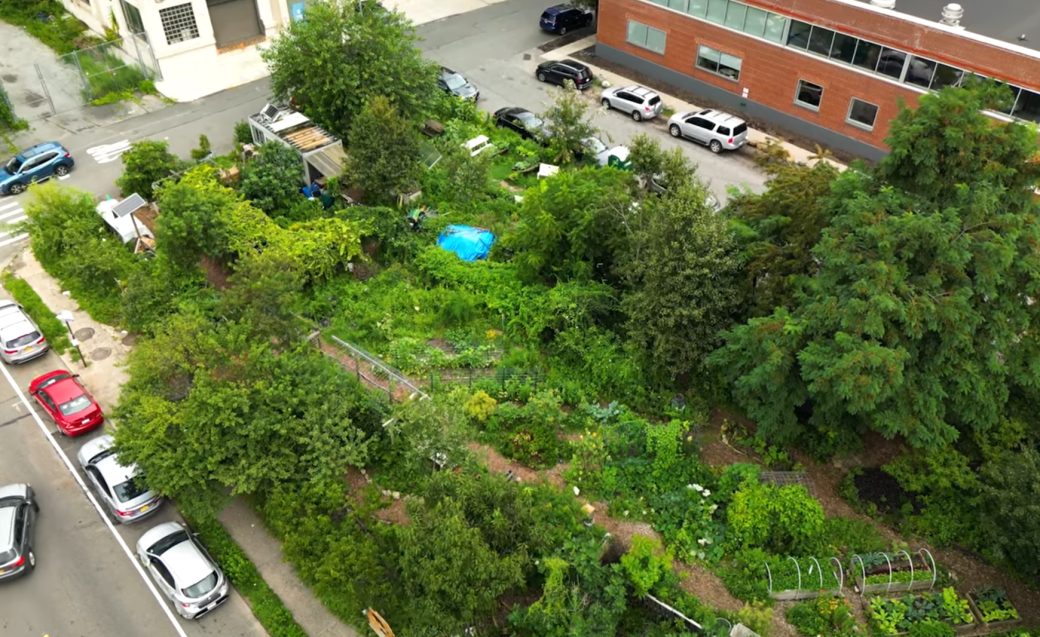
Green Islands In The Concrete Jungle
In most cities, green space feels like a luxury. Between parking lots and high-rise developments, even a small patch of soil can feel like a miracle. Community gardens fill this gap by transforming neglected or unused land into shared spaces that breathe life into dense neighborhoods. They aren’t just about growing vegetables; they’re about reintroducing nature into everyday city life. When you walk through a city garden, you notice something rare — people slowing down, talking to each other, and taking care of something together. It’s a small act of rebellion against the pace and isolation of urban living.
These gardens are typically managed by local residents, schools, or non-profit organizations. What makes them powerful is their inclusivity: anyone can join, regardless of income, background, or age. In that way, they democratize access to green space — something usually limited to those who can afford private yards or expensive parkside apartments. They also make neighborhoods safer and more cohesive, as shared responsibility builds trust among people who might otherwise remain strangers.
Growing Food, Growing Bonds
One of the most visible benefits of community gardens is food. Many urban neighborhoods, especially low-income ones, are considered “food deserts” — areas with limited access to fresh produce. By cultivating fruits, herbs, and vegetables locally, these gardens offer residents a direct, affordable source of nutritious food. But beyond the crops, they grow something less tangible but equally vital: social connection.
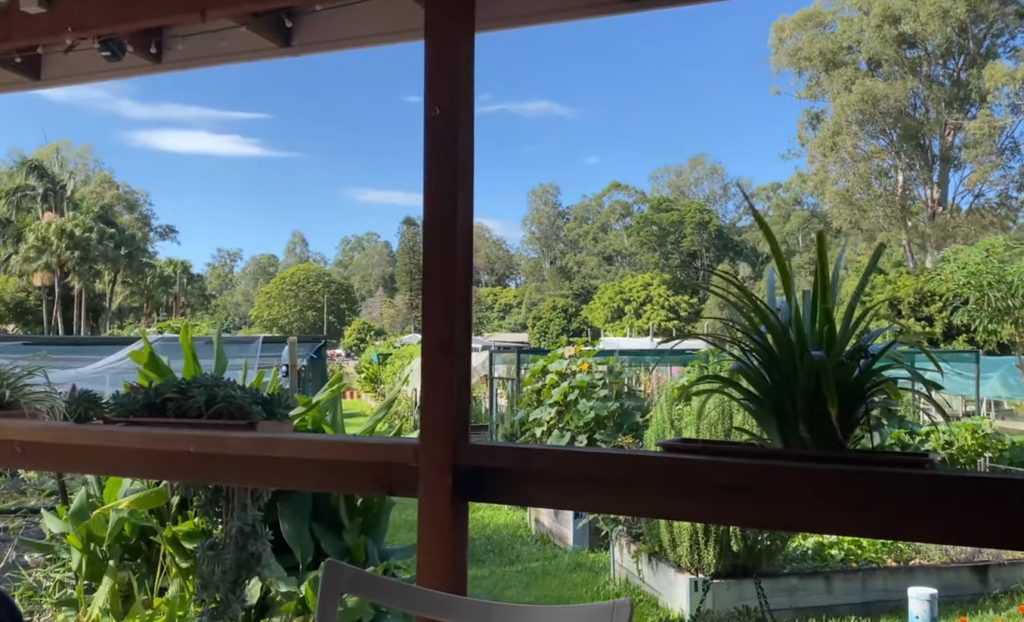
When people work side by side in the dirt, titles and professions fade away. A doctor and a retiree might be weeding the same patch, talking about the weather or trading recipes. This everyday cooperation builds social capital — a network of mutual trust and support that strengthens neighborhoods from within. It’s a quiet kind of urban resilience, built not through infrastructure but through human relationships.
Education And Environmental Awareness
Community gardens also act as open-air classrooms. Children learn where food comes from and how plants grow, which is more than most textbooks can teach. Schools often partner with local gardens to integrate lessons about biology, nutrition, and environmental stewardship. Adults, too, gain practical knowledge about composting, sustainable irrigation, and biodiversity.
These experiences have ripple effects. Gardeners become more aware of local ecosystems, pollinator health, and the impact of climate change. They start recycling more, reducing waste, and even influencing local policies about green space and sustainability. In that sense, gardens cultivate not only plants but also environmentally literate citizens — people who think globally while acting locally.
Health, Wellbeing, And Mental Balance
The mental health benefits of gardening are well documented. Working with soil, spending time outdoors, and witnessing growth can lower stress, reduce anxiety, and improve mood. For urban dwellers, who spend most of their days surrounded by concrete and screens, a few hours in a garden can feel like therapy. Studies have shown that even brief exposure to greenery can reduce cortisol levels and enhance focus.

Community gardens also encourage physical activity. Digging, planting, and watering are forms of gentle exercise accessible to people of all ages. But perhaps the most important effect is emotional: the sense of purpose and belonging that comes from nurturing life and seeing tangible results of one’s care. For many, especially the elderly or those living alone, the garden becomes a vital social lifeline — a reason to step outside and engage with others.
Urban Policy, Land Access, And Inclusivity
Despite their benefits, community gardens don’t appear out of thin air. They require negotiation, planning, and ongoing support. City governments play a key role by identifying vacant lots, adjusting zoning laws, and providing access to water or waste management services. Some cities, like Toronto and Melbourne, have official community garden networks that streamline the process and ensure long-term land security for gardeners.
However, land access remains a challenge. In many cases, gardens exist on temporary leases, vulnerable to redevelopment. Activists and planners are now pushing for stronger legal protections that classify gardens as essential green infrastructure. When treated as serious urban assets — rather than side projects — they can influence neighborhood planning, public health strategies, and even climate adaptation policies.
Examples Of Successful Community Gardens
There are countless examples of how community gardens have reshaped cities. In New York City, the GreenThumb program supports more than 550 community gardens across the five boroughs, many of which began as citizen-led cleanups of abandoned lots in the 1970s. In London, the King Henry’s Walk Garden has become a model for combining local food production with education programs and art events. And in Sydney, the Waterloo Community Garden integrates social housing residents with local volunteers, creating a shared space where differences dissolve over the planting beds.
Community gardens transform empty land into living ecosystems of food, friendship, and purpose — a reminder that even in cities, nature finds its way through human hands.
These success stories show that community gardens aren’t small gestures — they’re powerful engines of social change. They prove that urban life doesn’t have to be disconnected from nature, and that sustainability can grow right between apartment blocks and sidewalks.