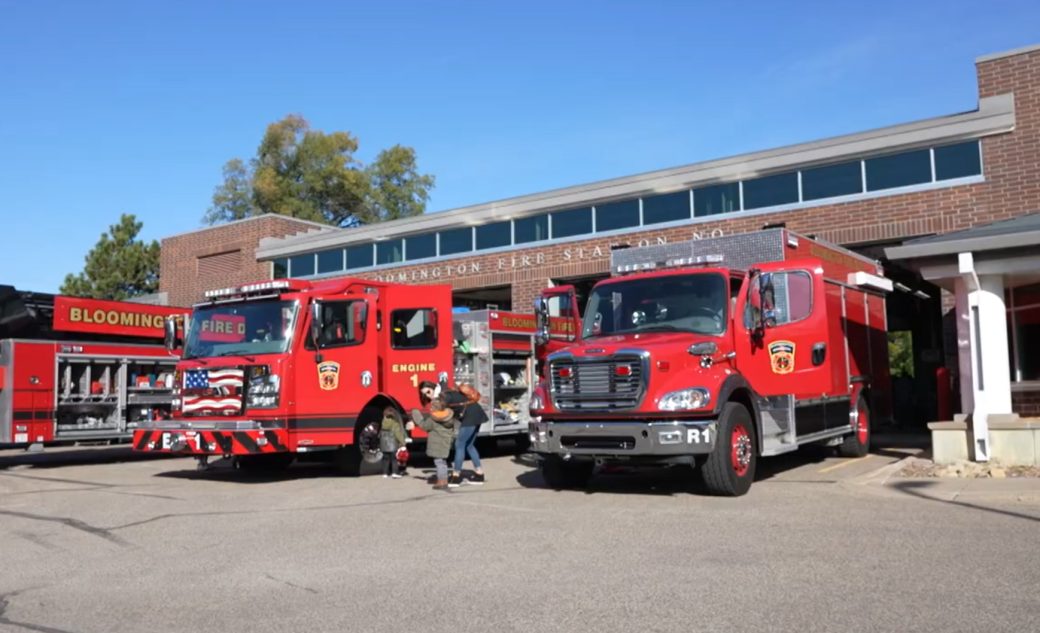
Assessing Need: Data, Risk, And Response Goals
The process to establish a new fire station almost always begins with a simple question: where are people currently underserved? Planners use response-time targets — often measured in minutes to arrival — as a core metric. They overlay historical emergency call data, population density, land-use maps, and projected growth to identify geographic gaps. High-rise development corridors, new suburban subdivisions, industrial parks, or areas with long travel times from existing stations typically surface as priorities. Risk assessment also weighs the types of incidents common in an area: structure fires, hazardous materials, wildland-urban interface fires, or medical emergencies. Each hazard profile changes the equipment, crew size, and training needs for a potential new station.
Beyond raw numbers, planners factor in redundancy (ensuring adjacent stations aren’t overburdened if one unit is committed), special risks such as transit hubs or petrochemical facilities, and socioeconomic equity — making sure underserved neighborhoods aren’t consistently disadvantaged in emergency access. Public safety analysts often produce heat maps that illustrate current coverage gaps and simulate how a new station would improve outcomes. The result is a data-driven justification report that becomes the foundation for funding requests, political approvals, and community conversations.
Site Selection And Land Acquisition: Practical Constraints
Once a need is justified, finding the right site becomes the next hurdle. A fire station requires more than a building: drive-through bays sized for large pumpers and ladder trucks, safe traffic access for rapid egress, space for training drills, parking, turnout gear lockers, administrative rooms, and often living quarters for crews. Ideal sites are flat, provide unimpeded turning radii for long vehicles, and sit near major routes without being on a congested feeder road where exits would be delayed.
Local zoning and land-use regulations influence options. Planners negotiate with municipal land banks, private sellers, or developers for parcels that meet operational constraints. Environmental considerations—floodplain limits, soil stability, contaminated-site history—must be cleared with geotechnical and environmental studies. In dense urban contexts, land scarcity can force creative solutions like multi-use facilities (combining the station with community centers) or purchasing and demolishing an existing structure. Each acquisition includes legal due diligence, appraisal, and often public hearings when eminent domain or rezoning is involved.
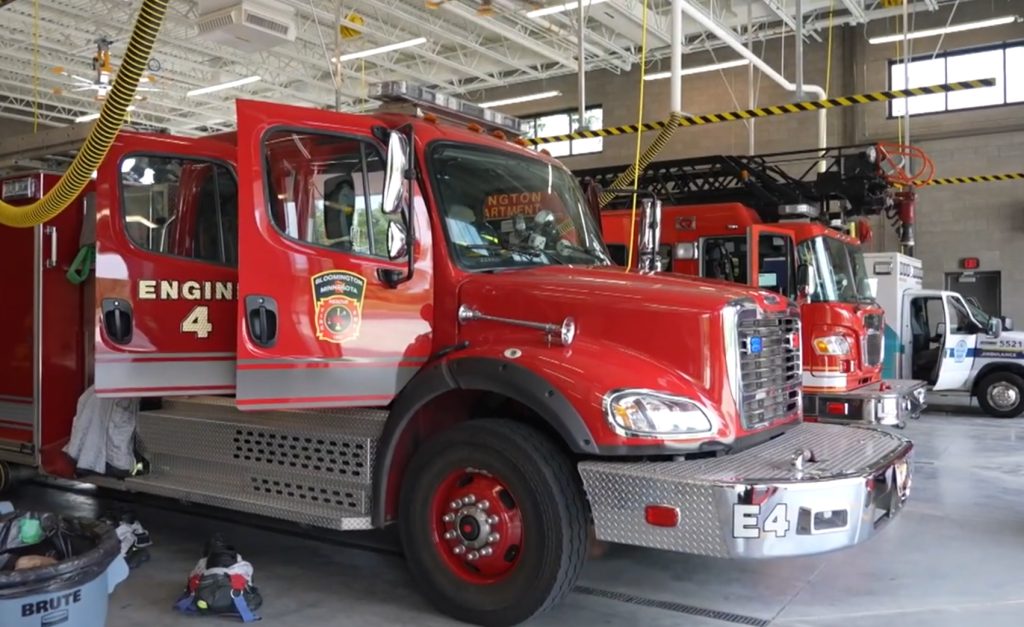
Design, Codes, And Technical Standards For Fire Stations
Design for a fire station follows stringent building codes and occupational standards. Architects and engineers collaborate with fire department leadership to translate operational needs into a functional layout. Key technical issues include bay geometry (clearance heights, apron slope, and bay depth), extraction and ventilation systems for diesel exhaust, decontamination zones for turnout gear, secure storage for equipment and hazardous materials, and resilient power systems to remain operational during grid outages. Noise mitigation, LED emergency lighting, and ergonomics for station living spaces all fall under design review.
Codes governing fire stations vary by jurisdiction but typically reference national standards such as NFPA (National Fire Protection Association) in the U.S., or equivalent standards elsewhere. Accessibility (ADA or local equivalents), seismic design, and fire separation requirements are compulsory. Energy efficiency and sustainability goals may push inclusion of features like solar panels, high-efficiency HVAC, and water recycling for drill usage. The design phase culminates in construction documents, permitting applications, and technical specifications for procurement of apparatus and systems.
Funding, Approvals, And Interagency Coordination
Funding for a new station rarely comes from a single pocket. Municipal councils often combine capital budgets, dedicated public safety levies, grants (state/federal), and bond measures to finance construction. A well-documented needs assessment and cost estimate are essential to secure voter approval if a bond referendum is required. In some cases, public-private partnerships or developer impact fees contribute land or cash in exchange for density or permitting concessions.
Simultaneously, administrative approvals progress through planning commissions, building departments, and emergency management offices. Environmental reviews, traffic impact studies, and community consultation rounds can add time but are critical for legal and social license to operate. Coordination with utilities, local police, public works (for road curb cuts and hydrant placement), and regional dispatch centers ensures communications and water supply meet emergency demands. The financing and approvals stage is as much political as it is technical; successful projects pair strong data and community outreach with transparent fiscal planning.
Construction, Procurement, And Equipping The Station
With plans approved and money allocated, construction begins. Contractors with experience in specialized facilities are usually selected through competitive bids. Construction management includes milestones for the apparatus bays, living quarters, secure equipment rooms, and training grounds. Critical systems—diesel exhaust capture, vehicle bay drainage, radio and dispatch infrastructure—are commissioned and tested thoroughly. Timelines must accommodate custom apparatus specifications: ladder trucks, pumpers, and rescue units are often built to order and scheduled months in advance.
Procurement extends to personal protective equipment, medical gear, hydraulic tools, and communications hardware. Interoperability is key: radios and mobile data terminals must integrate with regional dispatch systems. Training equipment for simulations, breathing air systems, and decontamination supplies also arrive during this phase. Quality assurance testing includes full-scale door cycles, emergency egress drills, back-up power load testing, and verification of water main pressure for hydrants. Any delays in procurement or construction can push back a station’s operational date, so project managers maintain tight coordination across vendors and the department.
Staffing, Training, Community Integration, And Readiness
Opening a station is not just bricks and trucks; it’s people. Hiring or reassigning personnel, finalizing shift schedules, and completing certifications are the final hurdles. Fire chiefs work with human resources to staff a new station with an appropriate mix of drivers, pump operators, paramedics, and command staff. Training programs ramp up to ensure new crews are familiar with the apparatus, building systems, local water supply, and common incident types in the district.
Operational readiness includes multi-agency drills with dispatch, EMS partners, police, and public works. Public outreach—open houses, school visits, community safety workshops—helps residents understand the station’s role and fosters relationships. Performance metrics begin to be monitored from day one: response times, turnout times, and call volumes inform whether the station meets the original goals. After opening, departments often run a probationary monitoring period during which adjustments to staffing or unit deployment are made based on real operations data.
Establishing a new fire station is a multi-year, interdisciplinary project: it blends data, engineering, politics, construction, and human factors to translate an identified public-safety gap into a life-saving service.