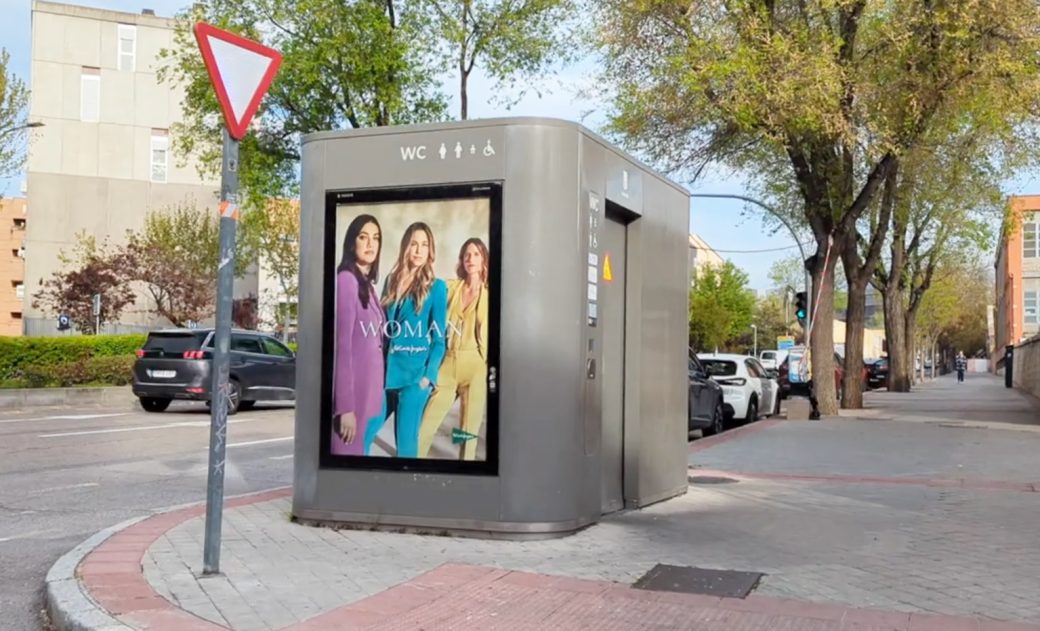
Why Public Toilets Reflect Urban Priorities
Public toilets might seem like minor details in city life, but their presence — or absence — speaks volumes about how urban planners value inclusivity and dignity. When a city invests in clean, accessible, and visible restrooms, it’s making a statement: everyone deserves comfort and safety in public spaces. On the other hand, neglecting such infrastructure often indicates deeper inequalities, where certain demographics or neighborhoods are quietly overlooked.
For example, in London, the reduction of public toilets over the last few decades has disproportionately affected older citizens and people with medical conditions. Meanwhile, cities like Tokyo or Melbourne view toilets as essential civic amenities, not luxuries. These differences highlight how toilet placement becomes a mirror reflecting social priorities, economic planning, and even cultural openness.
The Key Role of Accessibility and Demographics
The first and most obvious factor influencing toilet location is accessibility. Public restrooms must be within easy reach of people who need them most — near transport hubs, parks, shopping areas, and public squares. But accessibility doesn’t end with geography. Design standards now require gender inclusivity, wheelchair access, and baby-changing facilities, ensuring that everyone can use the space comfortably.
Demographics also play a decisive role. Urban planners study foot traffic data, age distribution, and even event calendars to anticipate demand. In tourist-heavy districts, for instance, toilets are often placed near landmarks and transport routes. In contrast, residential areas might prioritize schools or community centers. The goal is to anticipate movement patterns rather than simply react to complaints.
Health, Safety, and Urban Hygiene Factors
Public toilets serve as critical infrastructure for urban hygiene. Their location can prevent the spread of disease and improve sanitation standards in densely populated areas. Cities with poor public toilet coverage often struggle with unsanitary conditions, especially in districts with nightlife or high homelessness rates. Strategic placement — such as near food markets or waterfronts — can drastically improve cleanliness and reduce maintenance costs elsewhere.
Safety, too, is an essential concern. Modern urban design incorporates lighting, visibility, and regular monitoring to prevent misuse. In San Francisco, for example, the “Pit Stop” program installs modular restrooms equipped with attendants and timed locks to ensure both cleanliness and security. Such systems show how infrastructure and social policy can align to solve long-standing urban problems.
Economic and Commercial Considerations in Placement
While public toilets are a social necessity, they’re also a financial question. Building and maintaining them involves significant costs, so cities often rely on public–private partnerships. Shopping districts, transit authorities, and even fast-food chains become part of the network. In some European cities, businesses can opt into “open restroom” programs — offering their facilities to the public in exchange for small tax incentives or signage promotion.
Moreover, data shows that accessible restrooms actually increase commercial activity. Shoppers and tourists are more likely to linger in areas where basic facilities are available. Thus, restroom location can subtly boost economic vitality while promoting comfort. The decision is rarely just about hygiene — it’s also about stimulating public life.
Cultural Sensitivities and Privacy Expectations
Cultural norms heavily shape toilet distribution. What is considered acceptable in one country might be unthinkable in another. In some Asian cities, privacy screens and gender-neutral options are common, while in parts of the U.S. they remain controversial. Planners must navigate these sensitivities carefully, balancing inclusivity with cultural expectations.
Privacy and visibility are equally important. Toilets placed too prominently may discourage use, while those hidden away can feel unsafe. Striking that balance is both a social and psychological challenge. Some urban designers even collaborate with behavioral scientists to understand how comfort, shame, and security affect human movement and choice.
Data, Technology, and Future Mapping of Facilities
As cities become smarter, so do their toilets. Digital mapping now helps planners identify underserved areas by analyzing movement data from smartphones and public transit cards. Some municipalities experiment with “toilet finder” apps that display availability, cleanliness, and accessibility ratings in real time — making restrooms part of the digital public infrastructure.
Environmental innovation is also changing how locations are chosen. Solar-powered units, water-saving systems, and modular designs make it possible to install facilities in previously impractical spots. Ultimately, the goal is not just to provide convenience but to integrate sanitation into the rhythm of urban life. A city that gets its toilets right often gets everything else right too — from empathy to efficiency.