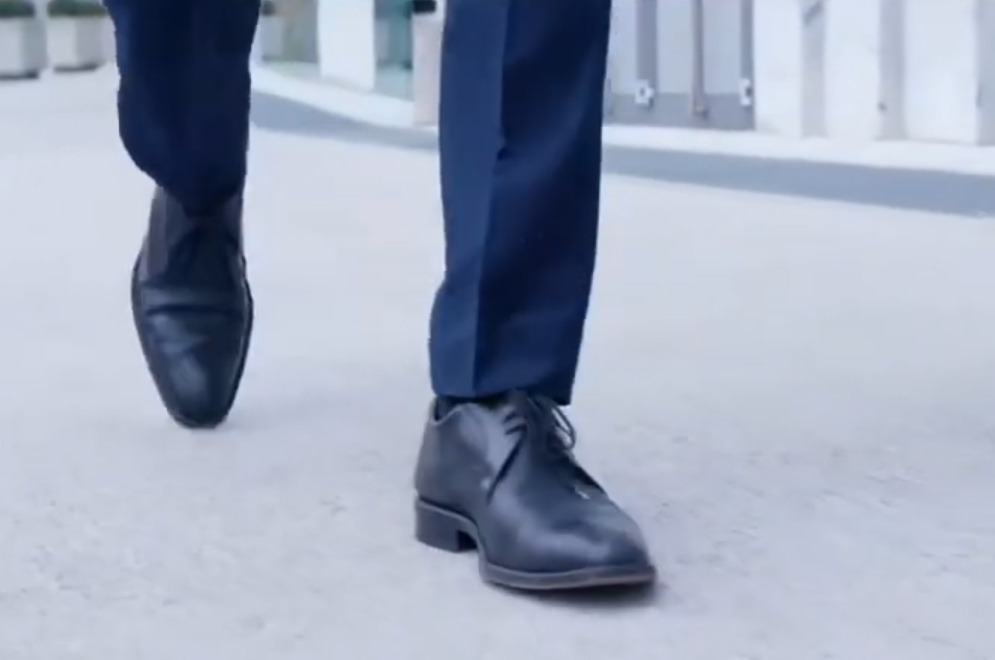
Why Shoes Squeak And What Causes The Noise
Squeaky shoes are a surprisingly common annoyance that can draw unwanted attention in quiet spaces. The noise often originates from friction between different parts of the shoe, trapped moisture, or structural issues. Leather shoes, especially when new, can squeak because the material is still stiff and hasn’t fully conformed to your feet. Synthetic materials may rub against each other, creating repeated noise, while worn-out insoles, loose soles, or unstable heels often produce persistent squeaks. Even the type of floor you walk on can amplify minor noises, making them sound much louder than they are. Understanding the root cause is the first step to solving the problem, as it allows you to target the fix effectively rather than applying generic solutions that may not work.
Moisture is a particularly common factor. Sweat, rain, or simply humid conditions can create temporary squeaks by causing materials to stick or rub in ways they normally wouldn’t. On the other hand, older shoes may develop squeaks over time due to wear and tear, such as separating layers in the sole or compacted insoles. Observing when and where the squeak occurs is crucial: is it on the heel, the ball of the foot, or from the insole? This diagnostic step helps narrow down the solution and prevents wasted effort on ineffective fixes.
Identifying The Exact Source Of The Squeak
Pinpointing the precise origin of the noise is essential. Start by removing the insole, if possible, and checking both the top and bottom surfaces for friction points. Walk on different surfaces to see if the squeak persists, as certain floors may exaggerate the sound. Gently bending or flexing the shoe can reveal whether the squeak comes from the upper material, midsole, or heel area. Some squeaks are caused by trapped air pockets between layers or minor misalignments that only appear under weight. By isolating the specific source, you can choose a solution that addresses the real problem rather than masking the symptom.
Testing your shoes systematically also allows for experimentation with temporary remedies, such as sprinkling powder or adjusting insoles, to see what effectively reduces the noise. This methodical approach saves time and frustration, and it often reveals small issues that are easy to fix but might otherwise be overlooked.
Practical Home Remedies That Really Work
Several simple techniques can quiet squeaky shoes without needing professional help. Baby powder, cornstarch, or baking soda sprinkled under removable insoles can absorb moisture and reduce friction, which is one of the most common causes of squeaks. For leather-on-leather contact points, a small amount of petroleum jelly or olive oil applied carefully can lubricate friction areas and stop the noise. Flexing new shoes gently can loosen stiff materials, while adding thin felt or rubber pads between layers can help in specific cases. Most of these solutions are inexpensive, easy, and can be tested immediately, often providing quick relief.
Some creative fixes have proven effective for stubborn squeaks. Rubbing a wax candle along seams of leather boots or sliding in cushioned insoles can eliminate persistent noise. Even small adjustments, like tightening loose stitching or checking for tiny pebbles caught in the sole, can make a significant difference. The key is to observe carefully and experiment with practical remedies suited to the shoe’s material and construction.
Inspecting Insoles, Soles, And Heels For Issues
Persistent squeaks sometimes indicate structural problems. Check that insoles are properly aligned and free of wear spots. Examine soles and heels for cracks, gaps, or layers that may separate under pressure. Applying a small amount of shoe glue to minor separations or adding felt/rubber pads at friction points can often stop the noise permanently. Shoes with unstable heels or poorly attached components may require more careful repair. Proper inspection ensures that fixes address the actual cause and provides longer-lasting results compared to temporary solutions.
Regular monitoring of shoes is also beneficial. Rotating footwear to prevent constant wear in the same area, maintaining cushioning, and keeping surfaces clean and dry all contribute to reducing the risk of future squeaks. A proactive approach saves both time and the annoyance of repeated repairs.
Choosing Shoes And Materials That Stay Quiet
When purchasing shoes, consider materials and construction that minimize noise. Rubber soles, well-conditioned leather, and sturdy synthetic fabrics are less prone to squeaking. Flexing shoes gently before buying can help detect stiffness, which is often a predictor of future squeaks. Cushioned insoles and stable construction reduce friction and prevent squeaks from forming. Understanding which materials and combinations are less likely to create noise can save you from repeated fixes, ensuring a quieter and more comfortable walking experience.
Additionally, shoes with layered midsoles designed to absorb impact rather than rub together are excellent for reducing friction sounds. Paying attention to stitching, heel attachment, and material flexibility can help you select footwear that remains quiet even under daily use. This preventative approach is often more effective than repeatedly addressing squeaks after they occur.
Real-Life Experiences And Solutions From Shoe Owners
Many shoe owners have developed clever ways to tackle squeaky shoes. One friend eliminated leather boot squeaks by rubbing a wax candle along the seams, while another replaced insoles entirely to stop the persistent noise. A tiny pebble lodged in a sole was easily removed, instantly fixing the problem. These real-life examples show that observation and experimentation can often solve squeaky shoe problems efficiently, without expensive repairs or replacements.
Sharing experiences with friends, family, or online communities can also uncover unusual but effective solutions. People have used everything from hairdryers to gently warm stiff leather to simple padding inserts to solve squeaks. Learning from others’ experiences provides practical guidance for similar issues, saving time and effort.
Long-Term Care And Maintenance For Silent Shoes
Preventing future squeaks requires consistent maintenance. Keep leather shoes conditioned, check insoles and soles for wear, and tighten any loose components. Rotate your shoes to prevent excessive wear in one pair, store them in a dry environment, and apply lubricants to friction points when needed. Regular inspections and cleaning help maintain the materials’ flexibility and stability, reducing the likelihood of squeaks forming over time. Long-term care ensures comfort, quiet walking, and prolongs the life of your footwear.
Adopting these practices as routine habits can keep shoes silent for years, making walking a quieter and more pleasant experience. Combining prevention with occasional minor fixes addresses both immediate annoyances and long-term durability.