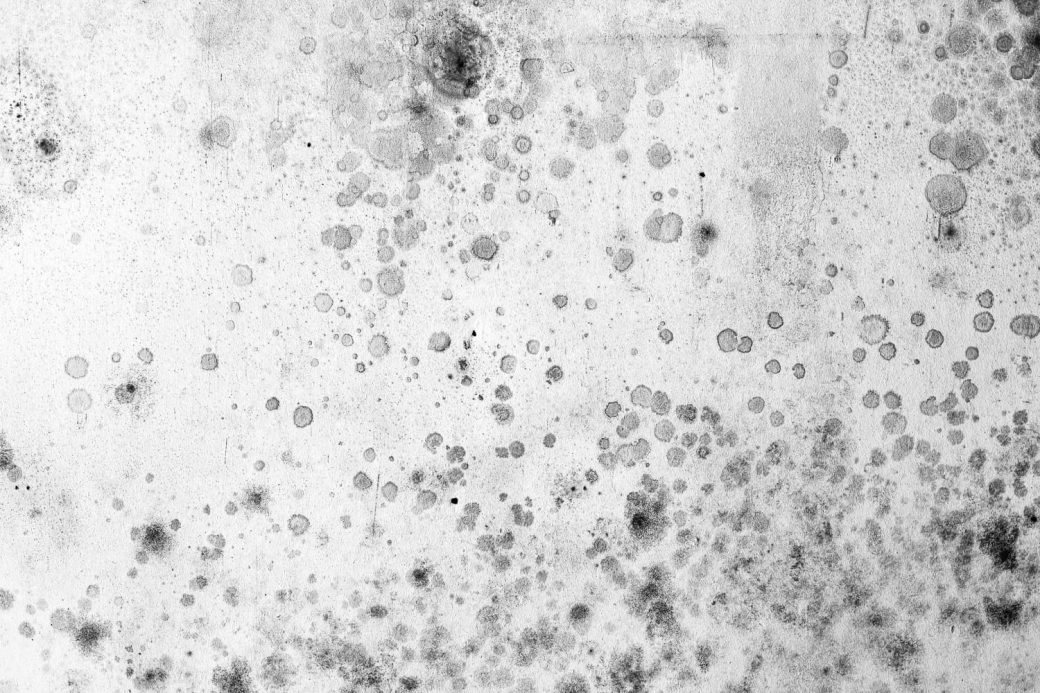
Why Mold Appears In Bathrooms
Bathrooms are naturally humid environments, making them prime spots for mold growth. When warm, moist air lingers, spores settle on tiles, grout, walls, and even ceilings. Many homeowners are surprised by how quickly black or green patches appear, often behind shower curtains or under sinks. I remember visiting a friend whose bathroom had a persistent musty smell. Despite regular cleaning, mold kept returning, mostly because the space was poorly ventilated and frequently left damp after showers.
Mold thrives on organic surfaces and in areas where water accumulates unnoticed. Even small leaks or residual moisture on grout lines provide enough sustenance for spores. Understanding that mold isn’t just “dirt” but a living organism that seeks food and moisture helps us approach prevention strategically. The faster we address these conditions, the lower the chances of mold establishing a permanent presence.
Main Sources Of Moisture And Risk Factors
Common sources of moisture include hot showers, inadequate ventilation, leaking pipes, and even damp towels left hanging. For example, one neighbor discovered that a hidden drip behind her bathroom vanity was the root cause of persistent black mold along the baseboard. Other risk factors include cold surfaces that condense water, lack of sunlight, and porous materials like untreated wood or wallpaper.
Identifying these risk factors in your own bathroom is crucial. Regular inspections of corners, under sinks, behind toilets, and around the bathtub can reveal hidden moisture sources before mold takes hold. Small, consistent efforts to monitor and manage these areas significantly reduce the likelihood of mold infestation.
Daily Habits To Reduce Humidity
Simple daily routines can make a noticeable difference. Wiping down shower walls and glass after use removes residual water that mold could exploit. Keeping bathroom doors or windows open, when possible, helps moisture escape. Even changing habits like hanging towels separately to allow airflow prevents damp pockets that favor mold.
Another practical strategy involves timing showers and baths. Using cooler water or limiting shower length can reduce the amount of steam produced. A friend of mine began keeping a small microfiber cloth handy to quickly wipe damp surfaces after each shower, and within weeks, the musty smell disappeared and mold stopped appearing in corners. Small, consistent actions add up over time.
Effective Tools And Natural Prevention Methods
Beyond habits, several tools and natural methods help maintain a mold-free bathroom. Dehumidifiers, moisture-absorbing packs, and exhaust fans are highly effective at lowering humidity. Natural solutions, like vinegar sprays or hydrogen peroxide applied to grout and tiles, can prevent mold spores from establishing. Essential oils such as tea tree or eucalyptus not only repel spores but also leave a pleasant scent.
Setting up a routine where these measures are applied weekly can drastically reduce mold risk. For instance, one household combined daily surface wiping, a weekly vinegar spray on tiles, and a running exhaust fan during and after showers. Over several months, mold ceased to appear, demonstrating the power of combining habits with preventive tools.
Importance Of Ventilation And Proper Equipment
Ventilation is often the single most effective defense against mold. An exhaust fan should run during showers and continue for at least 15–20 minutes afterward. Windows, if available, should be opened to allow fresh air to circulate. Choosing moisture-resistant materials, such as water-proof paint, ceramic tiles, and sealed grout, further reduces mold’s ability to grow.
Even simple modifications, like installing a small vent near the shower or adjusting the angle of mirrors to reduce condensation, contribute to a drier environment. I observed a neighbor retrofit her bathroom with a humidity sensor-controlled fan; the mold problem vanished completely, showcasing that technology combined with smart habits yields excellent results.
Practical Experiences And Neighborly Advice
Talking to others, patterns emerge that reinforce effective prevention strategies. One household maintained mold-free bathrooms for years simply by cleaning once a week and ensuring towels dried fully. Another used a combination of natural sprays, strategic ventilation, and daily monitoring of moisture-prone areas. These stories illustrate that prevention doesn’t have to be complicated; it relies on awareness, consistency, and small but targeted actions.
Sharing tips across communities often uncovers creative, simple methods. For example, a neighbor started placing a shallow dish of baking soda near the shower drain to absorb extra moisture, which significantly reduced odor and helped prevent mold. These practical experiences are often more relatable and implementable than generic advice found online.
Common Mistakes And How To Avoid Them
Typical mistakes include neglecting ventilation, ignoring minor leaks, and inconsistent cleaning. Some assume that mold will disappear on its own or that chemical sprays alone are sufficient. In reality, ignoring environmental conditions allows mold to return quickly. Consistent monitoring, addressing leaks promptly, and applying preventive measures regularly are essential steps that make a lasting difference.
Preventing mold is easier and safer than eliminating it after it appears, combining awareness, ventilation, and simple daily habits.
Patience and diligence matter. Even when using natural remedies or mechanical aids, sporadic attention will not suffice. Establishing routines and habits ensures that your bathroom remains a healthy, mold-free space, reducing both frustration and potential health risks associated with prolonged exposure.