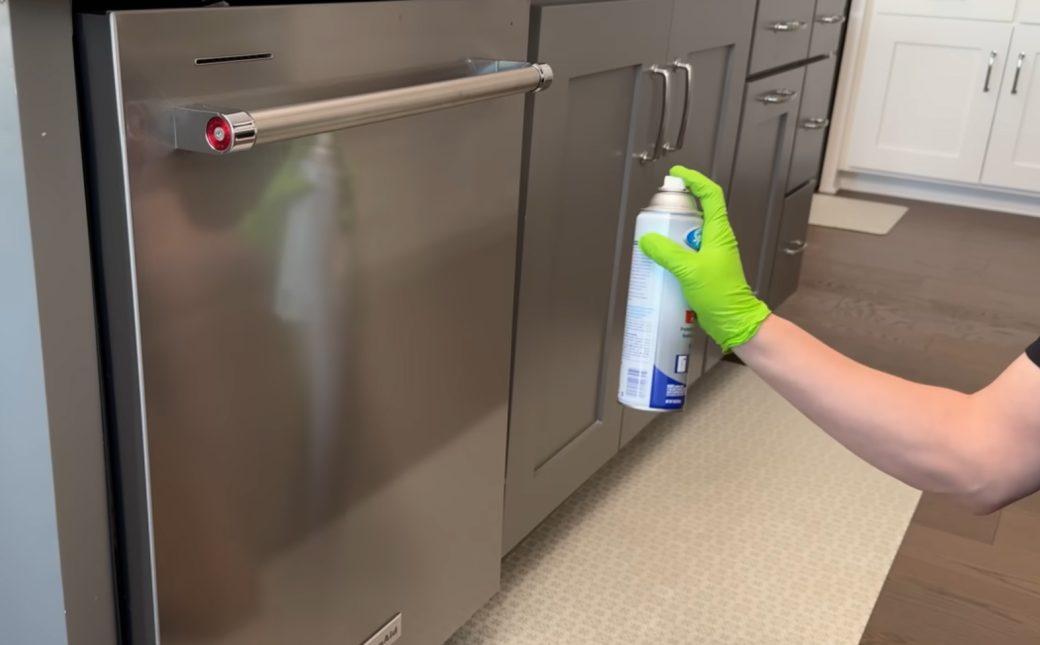
Understanding Stainless Steel And Its Finishes
Stainless steel is a staple in modern kitchens and household appliances, admired for its durability, resistance to rust, and sleek look. However, not all stainless steel is created equal. Finishes vary from brushed to mirror-like surfaces, each requiring slightly different care and attention. Brushed finishes tend to hide minor scratches and fingerprints better, while mirror finishes can show every smudge and imperfection.
Understanding the type of stainless steel surface you’re dealing with is essential before beginning any polishing routine. The alloy composition can also affect how it responds to polishing products and techniques. I once worked with a friend who attempted to polish a high-end stainless steel refrigerator without knowing it had a brushed finish. The result was uneven spots that required several corrective attempts. Recognizing the material’s characteristics will help you choose the right approach and prevent damage.
Common Issues That Affect Shine And Smoothness
Even the most resilient stainless steel surfaces can lose their shine over time due to everyday use. Fingerprints, water spots, and streaks are common, as well as minor scratches from utensils or cleaning tools. These small imperfections might seem trivial, but they dull the surface significantly when combined.
Environmental factors also play a role. Kitchens with hard water often leave mineral deposits that appear as cloudy patches. Regular wiping with just a damp cloth may remove surface dust but won’t tackle underlying deposits or scratches. Realizing what specifically affects your stainless steel is key to selecting the appropriate polishing technique. My own experience cleaning a sink showed that consistent attention, rather than sporadic scrubbing, maintains a smooth, reflective finish.
Essential Tools And Materials For Polishing
Before you begin polishing, gather the right materials. Soft microfiber cloths are essential to prevent scratching. Polishing compounds or specialized stainless steel cleaners are highly recommended, though household alternatives like olive oil or a small amount of baking soda can work for minor touch-ups. You’ll also need a gentle scrub pad for stubborn stains, but it must be non-abrasive to protect the surface.
Choosing the right product for the type of finish is critical. Brushed surfaces respond well to cleaners applied in the direction of the grain, while mirror finishes often require circular motions to avoid streaks. A friend of mine discovered that using a regular steel wool pad on a brushed stainless steel countertop left fine scratches that were hard to remove. Investing a few minutes in selecting the right tools ensures effective, safe polishing and a long-lasting shine.
Step-By-Step Polishing Techniques At Home
Start by cleaning the surface thoroughly with warm water and a mild detergent to remove dirt, grease, or food residues. Rinse and dry completely with a soft cloth. Next, apply your chosen polish or cleaner sparingly, working in small sections to maintain control. For brushed finishes, move the cloth along the grain; for mirror finishes, use gentle circular motions. Avoid over-saturating the surface, as excess product can leave residue that dulls the shine.
Polishing is often a repetitive, patient process. After the first pass, inspect the surface in good light to identify remaining streaks or spots. Repeat as necessary until the steel reaches the desired luster. I once polished a stainless steel oven door using a small circular motion technique recommended by a professional cleaner. The final result was near-reflective, and the entire process took less than thirty minutes, demonstrating how precise movements yield dramatic results.
Maintaining Shine Between Polishes
Once polished, maintaining stainless steel’s shine is about consistent care. Wipe surfaces daily with a damp microfiber cloth to remove fingerprints and prevent streaks. Avoid abrasive cleaners and pads that can scratch the finish. For extra shine, a light layer of oil applied with a cloth can help protect the surface from fingerprints and water spots. Small habits, such as immediately drying after contact with water, reduce buildup and preserve polish longer.
Environmental awareness is also important. High-humidity areas or direct sunlight can create condensation or heat spots that affect shine over time. By integrating maintenance routines into your daily habits, you prevent the need for intensive polishing sessions and keep surfaces looking pristine effortlessly.
Avoiding Common Mistakes And Surface Damage
Certain actions can inadvertently damage stainless steel. Scrubbing against the grain, using harsh chemicals, or employing abrasive tools often causes scratches and dulls the finish. Overusing oils or polishes without wiping properly can leave sticky residues or streaks. Even minor mistakes, like letting water sit for extended periods, can produce mineral spots that are difficult to remove later.
Awareness and careful technique are essential. I once saw a neighbor use a scouring pad on a stainless steel backsplash; the surface ended up with visible lines that required professional touch-up. Recognizing common pitfalls helps prevent these errors, making your efforts more effective and preserving the material’s elegant appearance.
Real-Life Tips And Household Shortcuts
Practical hacks can simplify stainless steel polishing. Using a soft cotton cloth instead of paper towels minimizes lint deposits, and applying a small amount of baby oil or mineral oil can give an immediate gleam. For tight corners, a Q-tip with a little cleaner works wonders. Rotating the cloth or using separate cloths for cleaning and polishing helps avoid transferring dirt back onto the surface.
Small, consistent care ensures stainless steel surfaces remain gleaming and resistant to everyday wear.
Real-life experience shows that consistency and mindfulness matter more than expensive products. Friends who integrated these simple habits—gentle cleaning, careful application of polish, and mindful drying—found their appliances and fixtures remained shiny and streak-free for months. With patience and proper technique, any stainless steel surface can look brand new without professional intervention.