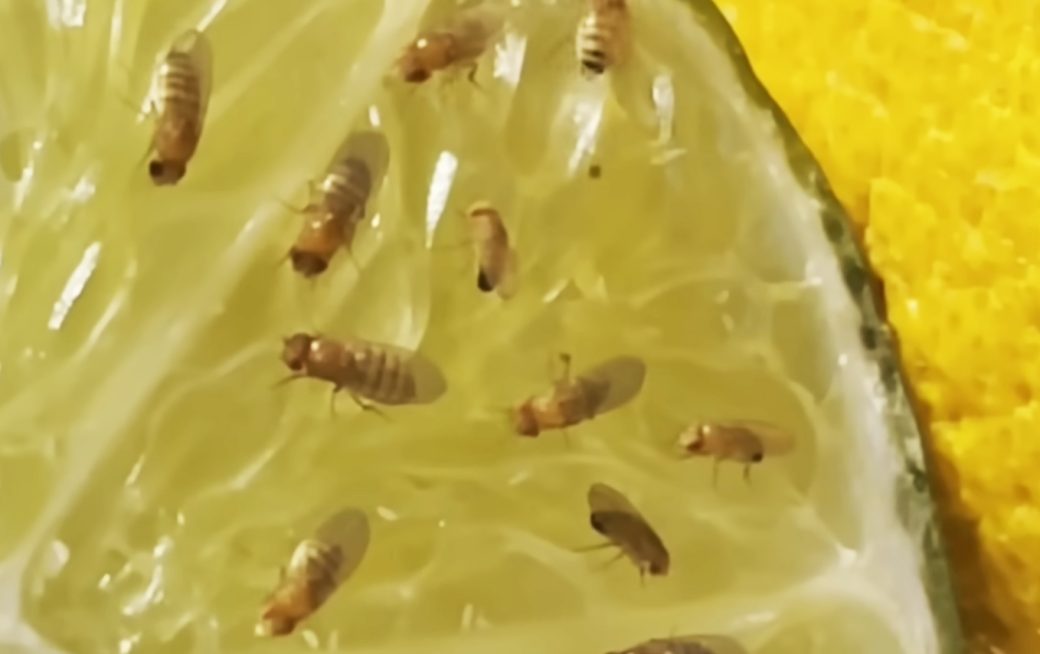
Why Fruit Flies Appear In Your Home
Fruit flies are tiny, but they can make themselves felt in every corner of the kitchen. Most people first notice them hovering near fruits left out on counters or overripe vegetables forgotten in the fridge. Their attraction is simple: they seek fermenting sugars and damp environments where they can lay eggs. This is why even a seemingly clean kitchen can suddenly host a swarm of these pests. For example, in my own kitchen last summer, a single neglected banana was enough to attract dozens within a day.
Another key factor is temperature. Fruit flies thrive in warmth, which is why they tend to be more common in summer or near warm appliances. Moisture is equally important, as they can often be found around sinks, drains, or damp cleaning cloths. Recognizing these tendencies helps you understand that their presence is rarely accidental; it’s a response to your environment and daily routines.
Main Sources And Habits That Attract Them
Leaving fruits or vegetables exposed, spilling sugary drinks, or forgetting to empty trash bins can all contribute to fruit fly infestations. Even subtle habits, like keeping an open bottle of vinegar or a fermenting kombucha jar, create a perfect breeding ground. A friend once discovered that the drain in her kitchen sink was the main culprit, as it had a thin layer of organic residue invisible to the eye but perfect for fruit fly reproduction.
Paying attention to these sources is crucial. Regularly checking your countertops, cleaning under appliances, and monitoring fruit storage can make a big difference. Avoiding a “set and forget” approach ensures that fruit flies don’t find the conditions they need to multiply. Every small habit counts, and combined, they determine whether your kitchen will remain a pest-free zone.
Home Methods To Combat Fruit Flies
One of the simplest approaches is to immediately remove potential attractants. Dispose of overripe fruits, keep vegetables in the fridge, and clean up any spills promptly. Vinegar traps are a classic method: a small bowl of apple cider vinegar covered with plastic wrap, punctured with tiny holes, attracts and traps the flies efficiently. Another option is placing a few drops of dish soap in the vinegar to break the surface tension, which ensures flies cannot escape.
Beyond traps, regular cleaning routines are essential. Wiping counters, washing dishes immediately after use, and sanitizing drains can prevent eggs from hatching. A practical tip from my neighbor involved soaking her drain in boiling water weekly; it made a noticeable difference in fly numbers. Such methods may seem minor individually, but collectively they create an environment inhospitable to fruit flies.
Effective Traps And Natural Remedies
Besides vinegar, other natural ingredients can serve as deterrents. Rotting fruit in a jar covered with plastic wrap can act as a decoy trap, luring flies away from other areas. Essential oils like lemongrass, peppermint, or eucalyptus can repel flies when used in small diffusers. For persistent infestations, sticky paper traps positioned near problem areas help reduce numbers without chemicals.
It’s also important to rotate or refresh traps frequently; stale traps lose effectiveness. Observing which methods work best in your space can help you optimize the combination of preventive and active measures. Some households may find vinegar traps sufficient, while others benefit from layering several techniques simultaneously.
Prevention And Organizing Space
Prevention is ultimately more effective than constant elimination. Storing fruits in sealed containers or in the fridge, keeping counters dry, and disposing of waste promptly are foundational steps. Organizing your pantry to avoid forgotten produce and maintaining regular cleaning routines significantly reduces the likelihood of fruit fly outbreaks. Small habits like covering fermenting beverages or rinsing recyclables before storing them make a cumulative impact over time.
Another tip is mindful kitchen arrangement: keeping fruit away from light and warmth, sealing compost bins, and using air-tight jars for pantry items. Over time, these small adjustments not only help prevent fruit flies but also improve general kitchen hygiene and comfort.
Practical Experiences And Advice From Neighbors
In talking with friends and neighbors, several practical insights emerge. Some swear by homemade vinegar traps, others prefer sticky pads or essential oils. One neighbor shared that simply relocating her fruit bowl to a cooler, less trafficked corner of the kitchen reduced flies dramatically. Another found that keeping a damp cloth to quickly wipe spills and residues was surprisingly effective over weeks.
Sharing these small, real-world strategies reinforces that there isn’t a single “perfect” method. It’s about observing your own habits, experimenting with a few solutions, and adjusting based on what your kitchen and routines require. The key is consistency and attentiveness, turning your home into an environment where fruit flies struggle to survive.
Common Mistakes And How To Avoid Them
A frequent mistake is leaving traps unattended or ignoring potential sources. People often think that just one overripe fruit won’t matter, but fruit flies multiply quickly. Another misstep is relying solely on chemical sprays, which may reduce visible flies but do nothing for eggs or breeding sites. In my own experience, combining cleaning, traps, and habit adjustments provided the lasting results that chemicals alone never achieved.
Effective management combines removal, trapping, and preventive habits for long-term fruit fly control.
Remember that patience and attention to detail matter. Monitoring potential breeding grounds, rotating traps, and maintaining clean surfaces ensure that efforts are not wasted. Avoiding these pitfalls allows homeowners to reclaim their kitchens efficiently, keeping fruit flies at bay without stress or constant intervention.