The Role Of Fashion Weeks In Global Style And Culture
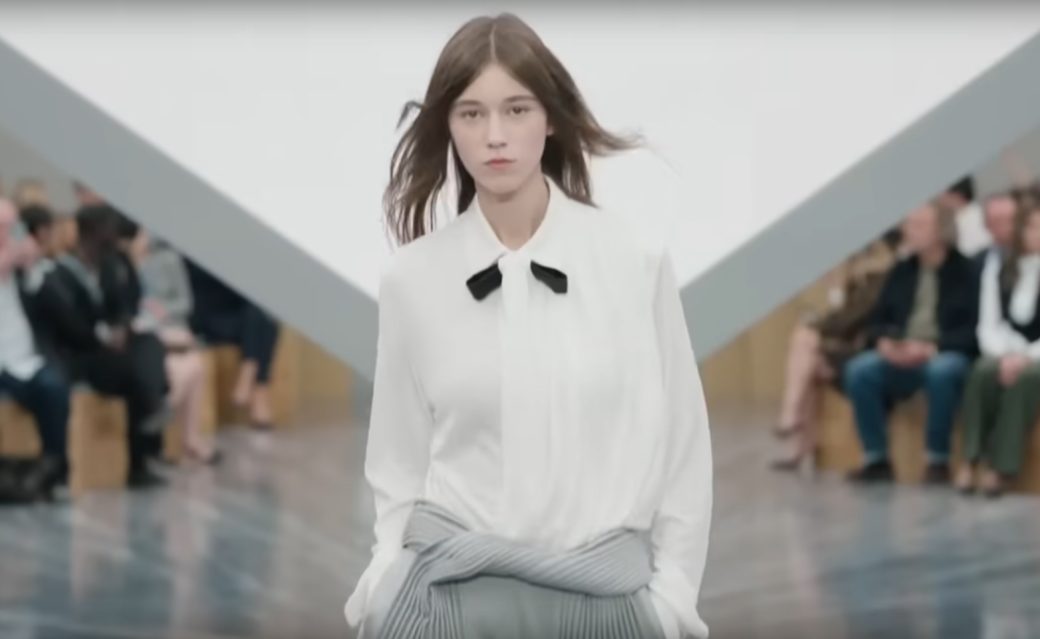
Fashion weeks are much more than glamorous shows with models strutting down catwalks; they are pivotal events that define trends, spotlight emerging talent, and set the tone for global style. They function as cultural touchstones, offering a snapshot of both creativity and market preferences. Designers chosen for these events gain immense visibility, often translating to collaborations, press coverage, and sales momentum.
Each city—be it Paris, Milan, New York, or London—has its own identity and audience expectations. The curated lineup of designers communicates a narrative about that city’s cultural and fashion values. From highlighting sustainability trends to experimental designs, fashion weeks wield influence that ripples through the industry and consumer behavior. Essentially, the designers selected become ambassadors of contemporary style and cultural conversation.
Fashion weeks are not just shows—they are platforms where culture, creativity, and commerce intersect.
Submission Processes And Designer Invitations
Designers can enter fashion weeks through formal submissions, agency recommendations, or direct invitations. Larger events like Paris or Milan often combine these approaches, balancing established houses with fresh talent. Emerging designers frequently submit portfolios, lookbooks, and press coverage, while prominent brands are typically invited based on reputation and past collections. The submission stage is critical; it represents the designer’s vision, professionalism, and readiness for the global stage.
Open calls are common in smaller or emerging fashion weeks, encouraging diversity and innovation. Here, jury panels assess proposals not only for creativity but also for logistical feasibility—runway presentation, sample availability, and team readiness. These processes ensure that the final lineup is both artistically compelling and practically executable.
Getting an invitation is about vision, portfolio strength, and the ability to deliver a runway-ready collection.
Selection Committees And Their Evaluation Methods
Fashion week selection committees typically consist of fashion editors, seasoned curators, industry consultants, and sometimes previous designers. These committees evaluate submissions meticulously, considering factors such as aesthetic quality, cohesion of the collection, innovation, and alignment with the week’s theme or identity. The process often involves multiple rounds, including initial screening, interviews, and sometimes test presentations.
Committee discussions can be dynamic, reflecting the subjective nature of fashion. Decisions are informed by a combination of technical assessment, trend analysis, and gut instinct. Some committees also simulate how the collection would appear on the runway, envisioning model choreography, lighting, and staging. The goal is to ensure the selected designers collectively create a compelling, coherent, and memorable fashion week experience.
Selection committees act as both critics and storytellers, shaping the narrative of each fashion week.
Criteria For Choosing Designers Vision Brand And Market Fit
Designers are evaluated on multiple intertwined criteria. Artistic vision is paramount; the collection must offer originality, technical skill, and conceptual depth. Brand reputation also plays a role, signaling reliability and audience draw. Market fit is increasingly important—curators must consider what resonates with buyers, editors, and social media audiences. These criteria ensure that each fashion week represents both creative innovation and commercial viability.
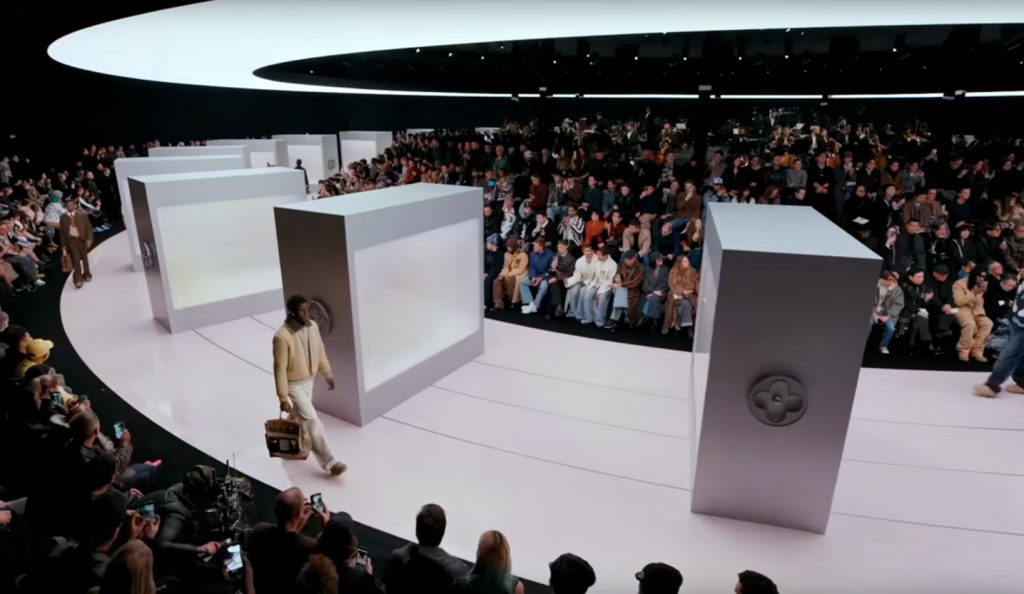
Additional considerations include sustainability practices, inclusivity, and cultural relevance. For example, designers pushing the boundaries of material use or advocating for ethical production may receive favorable attention. Similarly, fashion weeks increasingly seek diversity in aesthetics, nationality, and gender representation, reflecting broader cultural movements and audience expectations.
The best lineups balance creativity, brand identity, and market relevance.
Case Studies Paris Milan And Emerging Fashion Weeks
Paris Fashion Week is renowned for a blend of heritage houses and avant-garde designers, emphasizing luxury, precision, and cultural storytelling. Milan, while similarly prestigious, often spotlights Italian craftsmanship and innovation. Emerging fashion weeks, such as those in Shanghai or Lagos, offer platforms for local talent and experimental approaches, highlighting the global democratization of fashion.
These examples illustrate the diversity of selection strategies: some weeks prioritize legacy and influence, while others emphasize experimentation and new voices. In each case, selection is a thoughtful process, balancing artistic quality, audience expectations, and logistical feasibility. Designers chosen reflect the week’s narrative, ensuring a memorable, culturally resonant experience for attendees.
From global icons to emerging talent, curators carefully craft lineups that define each fashion week.
Challenges Biases And Trends In Designer Selection
The selection process is not without challenges. Biases, both conscious and unconscious, can influence decisions regarding nationality, gender, or style. Balancing commercial viability with artistic experimentation is a constant tension. Fashion weeks are also pressured to remain relevant amid social media trends, influencer culture, and rapid industry shifts.
To address these challenges, some committees implement blind submissions, thematic calls, or diversity initiatives. There is also a trend toward integrating digital presentations, allowing designers from remote locations to showcase concepts virtually. These measures help mitigate biases and create more inclusive, innovative lineups while reflecting evolving industry standards.
Recognizing biases and embracing new voices ensures fashion weeks remain vibrant and forward-looking.
The Future Of Fashion Week Curation And Digital Innovation
The future of designer selection is increasingly digital and global. Virtual showrooms, live-streamed collections, and interactive presentations allow wider access for designers and audiences alike. Digital tools enable committees to evaluate submissions remotely, simulate runway experiences, and engage with real-time audience feedback. These innovations enhance inclusivity, speed up selection processes, and expand global participation.
The future blends digital innovation with human curation, maintaining creativity at the heart of fashion weeks.
Despite technological changes, the human element remains central. Curators’ expertise, intuition, and cultural awareness guide every decision, ensuring that fashion weeks continue to present collections that are meaningful, trendsetting, and resonant with audiences worldwide.