Identify the Type of Furniture and Material
Before tackling pet hair, it’s crucial to understand the type of furniture you’re dealing with. Upholstery varies widely—leather, microfiber, cotton, and synthetic fabrics all respond differently to cleaning. Leather, for instance, can withstand gentle wiping and occasional vacuuming, but abrasive tools can scratch it. Microfiber and synthetic fabrics tend to attract hair due to static electricity, making removal slightly more challenging. Identifying the material ensures you choose a method that is both effective and safe, preventing damage while maximizing hair removal.
Consider the furniture’s shape and size too. Cushions, deep crevices, and tufted surfaces can trap hair, so knowing these details helps plan your approach. Taking a moment to assess the furniture saves time and reduces frustration in the long run.
Tools and Items You’ll Need
Gathering the right tools is half the battle. Common items include a vacuum cleaner with upholstery attachments, lint rollers, rubber gloves, microfiber cloths, and even a damp sponge. Each tool has a specific purpose: vacuuming removes surface hair efficiently, while a lint roller captures finer strands. Rubber gloves are excellent for gathering hair from flat surfaces, and microfiber cloths can pick up stubborn hairs without harming the fabric.
Having a small spray bottle with water can help in static-prone fabrics. Lightly misting the surface makes the hair cling together, simplifying removal. By preparing these items ahead of time, the process becomes more streamlined and less tedious.
Daily Maintenance Routines to Prevent Buildup
Daily habits can drastically reduce pet hair accumulation. Brush or groom pets regularly to minimize shedding at the source. Placing washable throws or blankets over frequently used furniture helps catch loose hair, making it easier to manage. A quick daily vacuum or swipe with a lint roller keeps surfaces manageable. Even a few minutes of maintenance each day prevents hair from embedding deeply into fabrics, saving hours of work later.
Small routines, like having designated pet beds or maintaining consistent cleaning schedules, foster a cleaner home and reduce the stress associated with hair buildup. The effort is minor but the payoff is significant.
Step-by-Step Removal Techniques
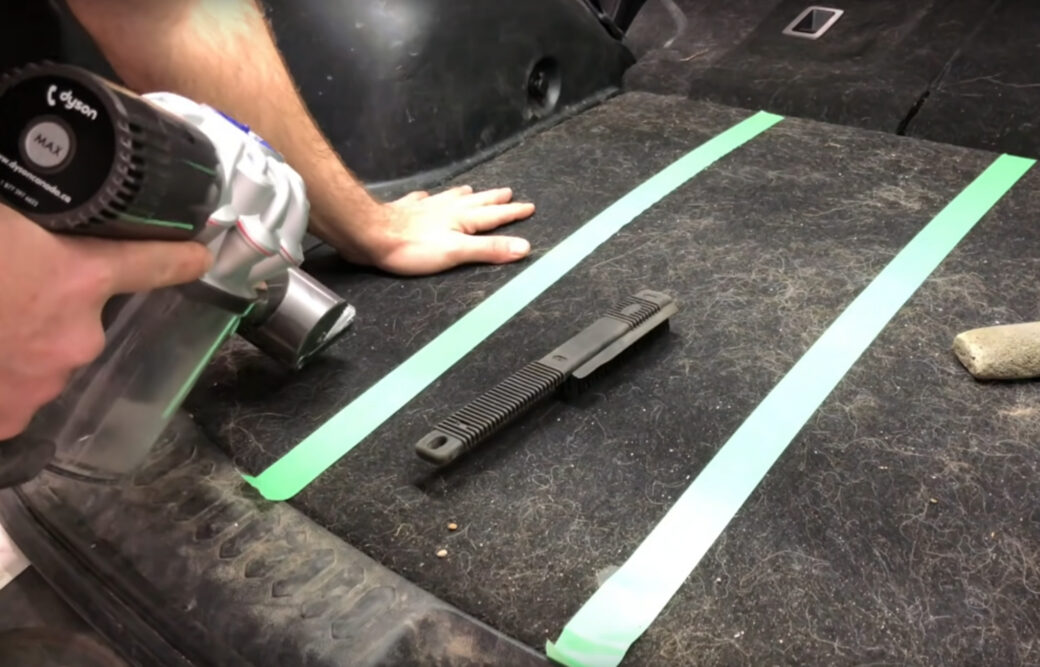
Start with vacuuming using an upholstery attachment, focusing on corners and seams where hair tends to accumulate. Next, use a lint roller or adhesive tape for stubborn areas, pressing firmly to capture embedded strands. Rubber gloves are particularly effective on larger surfaces: dampen the gloves slightly and run your hands across the fabric; the hair clings to the rubber, making collection easy. For flat surfaces, a slightly damp microfiber cloth also works wonders. Repeat these steps as needed until the furniture is hair-free.
Pay attention to pet hair embedded in tufting or textured fabric. In such cases, a soft-bristled brush can loosen hairs before vacuuming. These combined techniques ensure a thorough clean without damaging the furniture.
Deep-Cleaning Strategies for Stubborn Hair
For furniture that hasn’t been cleaned in a while, deep cleaning may be necessary. Steam cleaning is an excellent option for fabric sofas and chairs—it loosens hair and lifts it to the surface for vacuuming. Leather surfaces can be treated with a damp microfiber cloth followed by a leather conditioner. Additionally, washing removable covers and throws in the washing machine helps remove hair that has embedded over time.
Another method is using a rubber broom or pet hair-specific tool for large upholstered areas. Regular deep-cleaning sessions, even monthly, prevent hair from embedding permanently and maintain a fresh, clean appearance.
Preventive Measures for Long-Term Control
Beyond removal, prevention is key. Groom pets regularly and consider seasonal shedding patterns. Using anti-static sprays on upholstery can reduce hair adhesion. Place strategically washable covers on high-traffic furniture. Limiting pets’ access to certain furniture or training them to rest on designated areas also helps. Combining these preventive measures with regular cleaning routines minimizes hair buildup and extends the intervals between deep cleans.
Consistency is crucial. The less hair accumulates, the easier it is to maintain a clean and inviting home.
Incorporating Pets’ Grooming Habits
Managing pet hair isn’t just about cleaning furniture—it starts with the pet itself. Brushing dogs or cats daily, trimming long hair, and occasionally bathing them reduces shedding significantly. Healthy diets contribute to less shedding as well. Encouraging pets to use bedding or pet-specific furniture can further reduce hair on human furniture. Integrating these grooming habits creates a holistic approach: cleaner pets lead to cleaner furniture, making maintenance simpler and more effective.
By approaching the problem from both sides—pet care and furniture cleaning—you maintain a harmonious, hair-free home without excessive effort or frustration.
Tip: A short daily sweep with a lint roller saves hours of deep cleaning later and keeps your furniture looking pristine.