
Why Bathroom Mirrors Fog Up During Showers
Anyone who’s ever stepped out of a hot shower knows the familiar frustration: a bathroom mirror covered in thick fog. This isn’t just an annoyance—it’s a daily inconvenience that can disrupt morning routines. The fog appears because the warm, moist air from a shower contacts the cooler surface of your mirror. Tiny water droplets form, scattering light and creating that cloudy layer. While it’s a simple physical process, understanding why it happens helps identify effective solutions. Different bathroom layouts, shower temperatures, and mirror placement all affect how quickly condensation occurs.
For example, a small bathroom with poor ventilation will see mirrors fog almost instantly, whereas a larger, well-ventilated space might experience a slower buildup. The material and thickness of the mirror can also influence condensation levels. Knowing the cause is key: if the surface stays warmer or the moisture is removed efficiently, fog formation is significantly reduced.
The Science Behind Steam And Condensation
Fogging is essentially condensation: when warm air saturated with water vapor meets a cooler surface, the air cools rapidly, and water condenses into tiny droplets. These droplets refract light, giving mirrors their opaque appearance. The process is influenced by temperature differences, humidity levels, and the rate of air circulation. Bathrooms are unique environments because showers generate high heat and humidity in a compact space, creating ideal conditions for fog to form almost immediately.
Understanding this science makes prevention more intuitive. Anything that reduces the temperature gap between the mirror and surrounding air, or that moves humid air away quickly, will limit condensation. This explains why ventilators, heated mirrors, or even running cold water in the shower to slightly lower humidity can have an impact.
Quick Daily Tricks To Reduce Fog Immediately
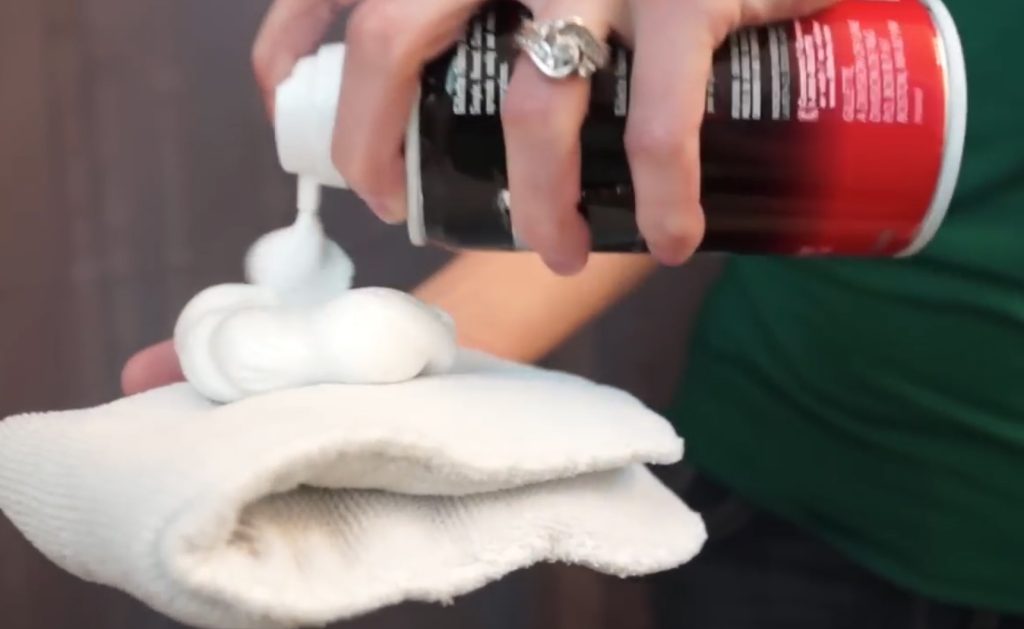
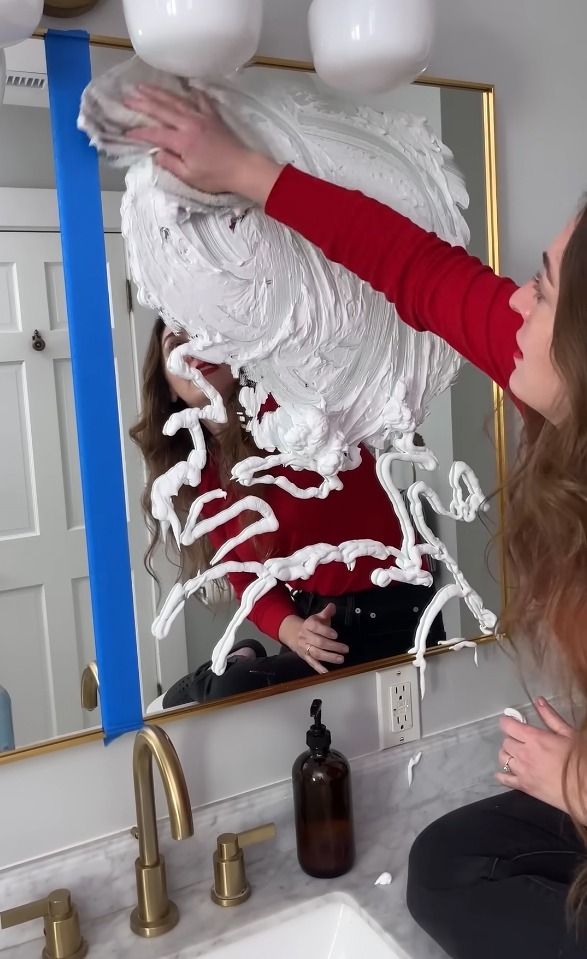
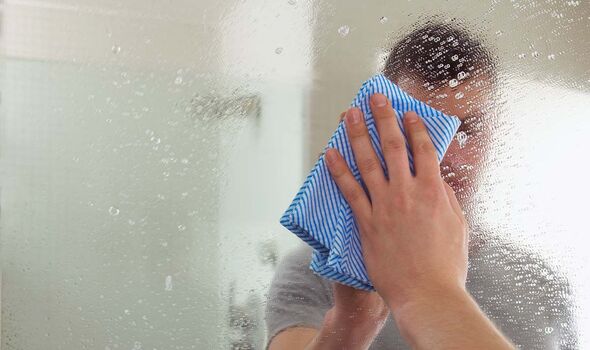
Several simple daily habits can help you manage fog without any special equipment. Wiping the mirror with a clean, dry cloth right after showering temporarily removes condensation, but combining this with other strategies is more effective. Applying a thin layer of shaving cream and wiping it off creates a temporary barrier that prevents droplets from forming. Some people even run warm water over the mirror surface to equilibrate its temperature with the air, reducing the immediate condensation effect.
Another fast solution is adjusting shower practices—keeping the bathroom door slightly ajar, or turning on a small fan for a minute, can quickly move humid air out. These tricks don’t require new purchases, making them accessible for anyone seeking a quick fix.
Long-Term Solutions To Keep Mirrors Clear
For a more permanent approach, consider investing in solutions designed to reduce fog over time. Heated mirrors with built-in defogging pads gently warm the surface, eliminating condensation as it forms. Alternatively, applying anti-fog sprays periodically maintains a clear mirror without additional energy use. Consistently using these products, combined with the daily tricks, ensures that mirrors remain clear even in very humid bathrooms.
Bathroom design also plays a role. Mirrors placed away from direct steam paths or paired with strategic ventilation can significantly reduce fog. In some cases, adding a second exhaust fan or upgrading an existing one makes a noticeable difference, preventing persistent condensation problems over the long term.
DIY Treatments And Commercial Anti-Fog Products
DIY options include household items like vinegar solutions, diluted dish soap, or even toothpaste rubbed on the mirror and wiped off after a few minutes. Each creates a thin, invisible layer that resists water droplets. Commercial anti-fog products are often silicone-based and offer longer-lasting results. Many come in easy-to-apply sprays or wipes, allowing users to maintain clarity without frequent reapplication.
Experimentation is key—some mirrors or bathroom conditions respond better to certain products. Tracking which combination of DIY treatment and preventive habit works best for your bathroom ensures the mirror remains clear with minimal effort.
Preventing Fog Through Bathroom Ventilation And Habits
Proper ventilation is critical. Running an exhaust fan during and after showers, opening windows, or installing a ceiling fan can help move humid air away quickly. Daily habits like closing the shower curtain after use, wiping down wet surfaces, and keeping towels dry reduce lingering moisture that contributes to fog. Even small adjustments, like leaving the bathroom door partially open, promote airflow and maintain a more balanced temperature.
These measures, combined with anti-fog treatments, create an environment where condensation is minimized. Over time, these practices become second nature, making foggy mirrors a rare occurrence rather than a daily nuisance. Incorporating these habits ensures a clearer, more enjoyable morning routine every day.