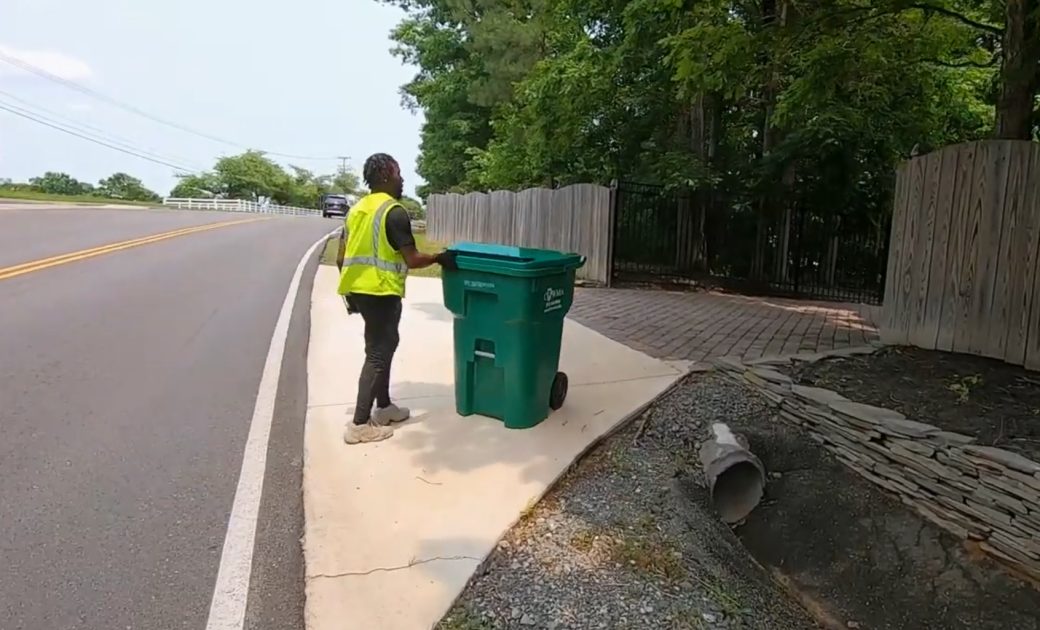
The Hidden Logic Behind Everyday Recycling Spots
That blue or green bin you pass every morning wasn’t placed there by accident. City planners, environmental engineers, and data analysts all play a part in deciding where it stands. Recycling infrastructure may look simple, but behind every bin is a set of urban design principles that balance human behavior, accessibility, and efficiency. The goal isn’t just to provide a place to toss bottles — it’s to subtly encourage sustainable habits through convenience and visibility.
Urban recycling programs rely heavily on research about how people interact with public spaces. Pedestrian flow, population density, and even the types of businesses nearby can influence where a bin ends up. A busy street with coffee shops will generate more paper cups, while a park will see more plastic bottles. By matching the right type of bin to the right environment, cities make recycling intuitive rather than effortful.
Data, Distance, and Human Behavior in Urban Design
Distance is one of the most underrated factors in recycling behavior. Studies show that if a bin is more than 30 meters away, the likelihood of someone using it drops sharply. That’s why planners focus on accessibility first. They map high-traffic areas, analyze GPS and waste collection data, and even track the frequency of littering reports. The goal is to position bins where people naturally pass by, not where officials think they “should” recycle.
Human psychology plays an equally important role. People tend to choose the easiest option — and that includes disposing of waste. When recycling bins are placed next to regular trash cans, recycling rates rise dramatically. Cities that experiment with color coding, signage, and visibility often see immediate improvements in participation. Behavioral design turns simple placement into a tool of public persuasion.
Mapping Patterns: How Cities Analyze Waste Habits
To make smarter decisions, cities use spatial mapping tools and data analytics. San Francisco, for example, maps waste generation patterns across districts, while London’s boroughs collect weekly data on fill levels and collection efficiency. These insights guide redistribution: if one bin is consistently overflowing, another may be underused just a block away. By shifting resources strategically, cities maintain cleaner streets and higher recycling rates without expanding budgets unnecessarily.
Modern urban systems also employ sensors and smart bins. These devices send alerts when containers are full or when certain materials dominate waste composition. Over time, such data builds a behavioral map of the city — one that evolves with seasons, events, and social trends. For instance, concert venues or stadiums might need extra bins only during event days, while residential zones require more consistent placement.
Accessibility Versus Aesthetics: Finding the Balance
One of the trickiest challenges for urban planners is integrating recycling infrastructure without compromising the visual appeal of public spaces. Residents and businesses often resist new bins, arguing that they clutter sidewalks or ruin the look of historic districts. Cities must therefore find a compromise between function and form. In Paris, some recycling bins are semi-submerged to preserve aesthetics, while in Copenhagen, designers integrate them into street furniture or green zones.
This balancing act reflects the broader philosophy of urban design — functionality must coexist with beauty. If recycling infrastructure is too hidden, people won’t find it. If it’s too prominent, they might resent it. Striking that balance requires collaboration between architects, engineers, and local communities to design bins that are both practical and pleasing to the eye.
Community Feedback and the Politics of Placement
Recycling bin placement is not just a technical issue — it’s also a political one. Neighborhood councils, environmental activists, and business owners all weigh in on where bins should go. Public consultations often reveal practical insights that data alone cannot. For example, a technically perfect location might conflict with pedestrian accessibility, parking, or delivery zones. Listening to residents helps cities adjust plans to meet real-world needs.
Some cities even run pilot programs where temporary bins are placed in different spots for a few weeks to observe public response. Feedback from these trials can influence permanent installations. In many ways, this process turns urban planning into a dialogue rather than a top-down decision — a sign that sustainability succeeds best when communities feel ownership of it.
Smart Bins and the Future of Recycling Infrastructure
Tomorrow’s recycling systems will think, learn, and adapt just like the cities they serve.
As cities move toward smarter, data-driven infrastructure, recycling bin placement will become even more dynamic. Smart bins can detect contamination levels, sort materials automatically, and even adjust collection schedules in real time. Combined with AI mapping tools, these systems could predict where waste will appear before it does, optimizing placement accordingly. This is already being tested in parts of Singapore and Toronto, where AI-driven waste collection reduces costs and emissions.
In the near future, bin placement could become part of integrated urban ecosystems — linked with traffic systems, public transport data, and environmental monitoring. The outcome: cleaner cities, fewer missed collections, and citizens who recycle effortlessly as part of daily life. It’s a small but meaningful example of how urban technology meets environmental responsibility.