Why Do Some Cafés Have No Chairs At All?
The Rise Of Standing Cafés: Understanding The Concept
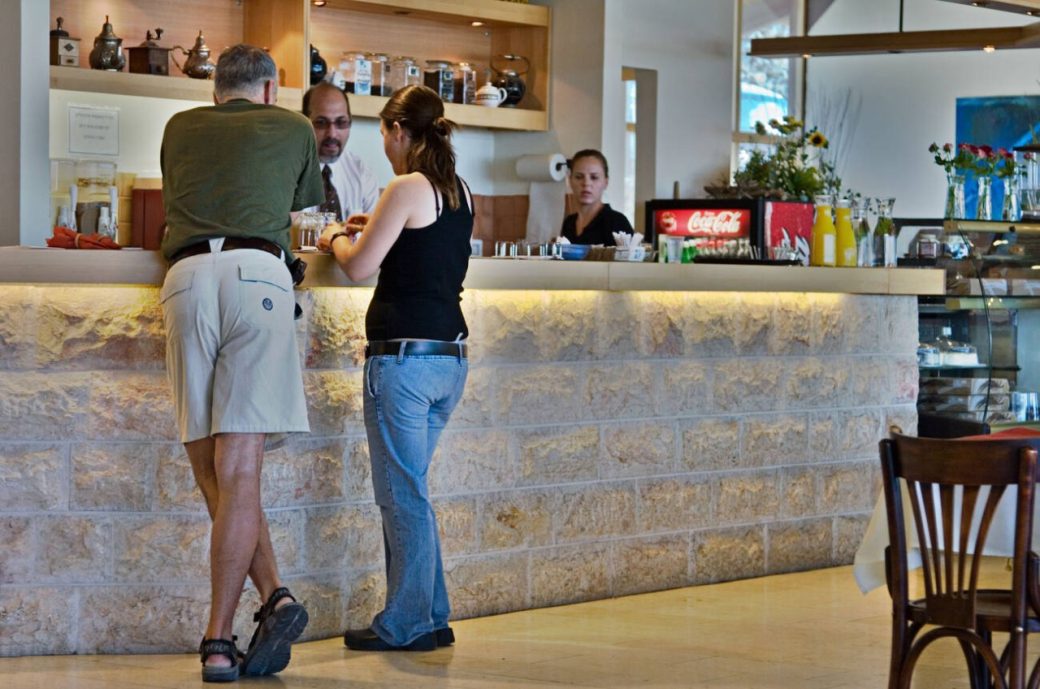
Walking into a café and finding no chairs might initially feel strange, even disorienting. Yet, the concept of standing cafés has been around for decades, primarily in bustling urban areas where speed, efficiency, and interaction matter more than lingering over a latte. The idea is simple: prioritize quick, functional consumption and social connection rather than encouraging extended stays. In cities like Tokyo, Milan, and New York, these establishments cater to professionals, commuters, and coffee lovers who value convenience over leisure.
Standing cafés often highlight the art of coffee and pastries in a different way. By reducing seating, cafés focus attention on the product itself—freshly brewed espresso, a crisp croissant, or a unique blend. The absence of chairs eliminates the expectation of extended socialization, subtly shifting customer behavior toward a more dynamic, interactive environment. It’s a philosophy that balances modern urban rhythm with the café’s core offerings.
Historical Roots And Cultural Influences
The standing café isn’t a recent invention. In Italy, the concept of the bar al banco has been integral to coffee culture for over a century. Patrons order, sip, and move on within minutes. Similarly, Japanese kissaten originally emphasized minimal seating to maximize space and efficiency. These traditions highlight how cultural norms shape customer behavior and café design. The standing format often reflects deeper societal values: efficiency, social etiquette, and the prioritization of time.
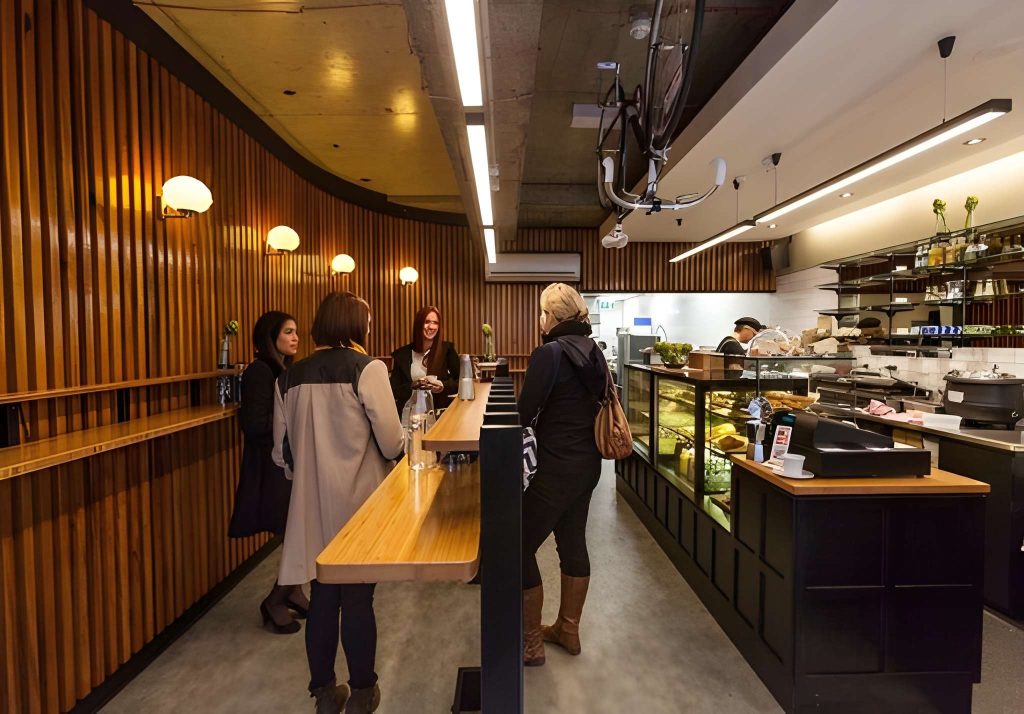
Over time, the standing café has been adopted and adapted worldwide. In some cultures, standing is associated with networking or casual social interaction, which allows patrons to meet briefly without committing to a long stay. Cafés without chairs thus serve not only as a place to grab coffee but also as micro-social hubs where quick conversation and interaction are natural extensions of urban life.
Efficiency And Turnover: Business Perspectives
From a business standpoint, eliminating chairs significantly increases turnover. Fewer seats mean less space for lingering, which encourages customers to move through quickly. High turnover is essential in areas with heavy foot traffic or limited real estate. Moreover, a standing setup reduces cleaning and maintenance tasks, streamlining operations and lowering costs. For many café owners, this is a strategic decision, aligning customer behavior with economic efficiency.
Fast service and short visits are also advantageous during peak hours. Employees can serve more patrons without overcrowding, while customers benefit from speed and convenience. For urban coffee shops competing in dense markets, standing cafés represent a clever compromise between quality, experience, and practicality.
Social Dynamics And Community Interaction
Standing cafés naturally encourage different social behaviors. People tend to interact more casually, sometimes striking up brief conversations with strangers or staff, fostering a sense of communal energy. The shared physical posture—everyone standing—creates an egalitarian dynamic, reducing the formal separation that tables and chairs can enforce. It’s subtle, but the spatial arrangement impacts social interaction, networking, and even mood.
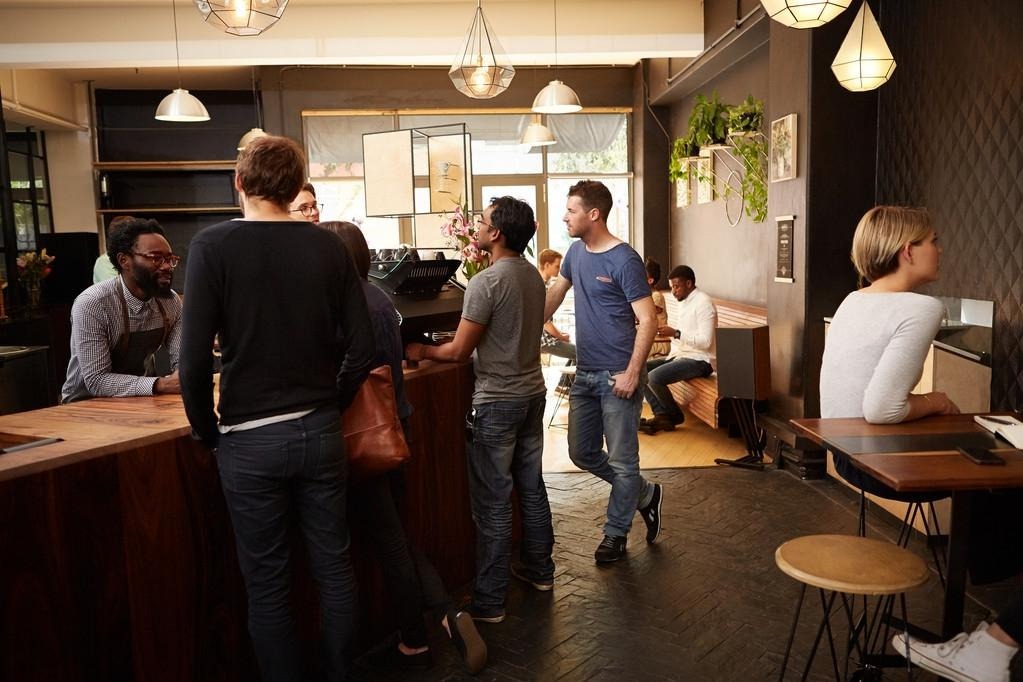
Some standing cafés incorporate high counters or communal bars, inviting conversation and connection. This intentional design choice emphasizes micro-communities within larger urban landscapes. Patrons experience the café not just as a place to grab coffee, but as a small social hub where interactions are fleeting but meaningful.
Design Choices And Urban Space Optimization
Space is a premium in urban settings. Removing chairs allows cafés to maximize capacity without feeling crowded, providing standing room for more patrons and preserving comfort. Designers often employ sleek counters, bar-height tables, and minimalist aesthetics, turning spatial constraints into stylistic statements. This approach aligns with modern urban design principles: efficient, functional, and visually appealing.
In some cases, standing cafés occupy narrow streets, compact neighborhoods, or high-traffic transit hubs. The design is often dictated by necessity, blending practicality with the opportunity to experiment with aesthetics and customer flow. Urban planners and café designers increasingly recognize that standing cafés can be both functional and trendy, offering a fresh take on coffee culture in tight spaces.
Health, Lifestyle, And Customer Experience
Interestingly, standing while drinking coffee can have subtle health benefits. Short periods of standing may improve circulation and posture compared to long, sedentary sitting sessions. For busy professionals, standing cafés align with a more active, health-conscious lifestyle. Additionally, the experience encourages mindfulness: sipping intentionally, savoring flavors quickly, and moving on to daily routines without distraction.
Customers often appreciate the novelty and efficiency. While some might initially miss a chair, the format appeals to those valuing speed, interaction, and a different approach to coffee culture. In essence, standing cafés are a lifestyle choice as much as a business strategy, reflecting evolving urban habits and preferences.
Global Examples And Emerging Trends
Standing cafés prove that less can be more, turning space constraints into a purposeful, social, and stylish experience for modern urban life.
From Milan’s espresso bars to Tokyo’s high-density neighborhoods, standing cafés have been embraced worldwide. In cities like New York and London, modern interpretations combine minimalism, technology, and speed to attract urban professionals. Pop-up cafés and specialty coffee shops experiment with standing concepts, blending traditional culture with contemporary urban demands. The trend signals a broader shift in how cities consume coffee: a mix of efficiency, social energy, and mindful experience, all within a compact, stylish setting.