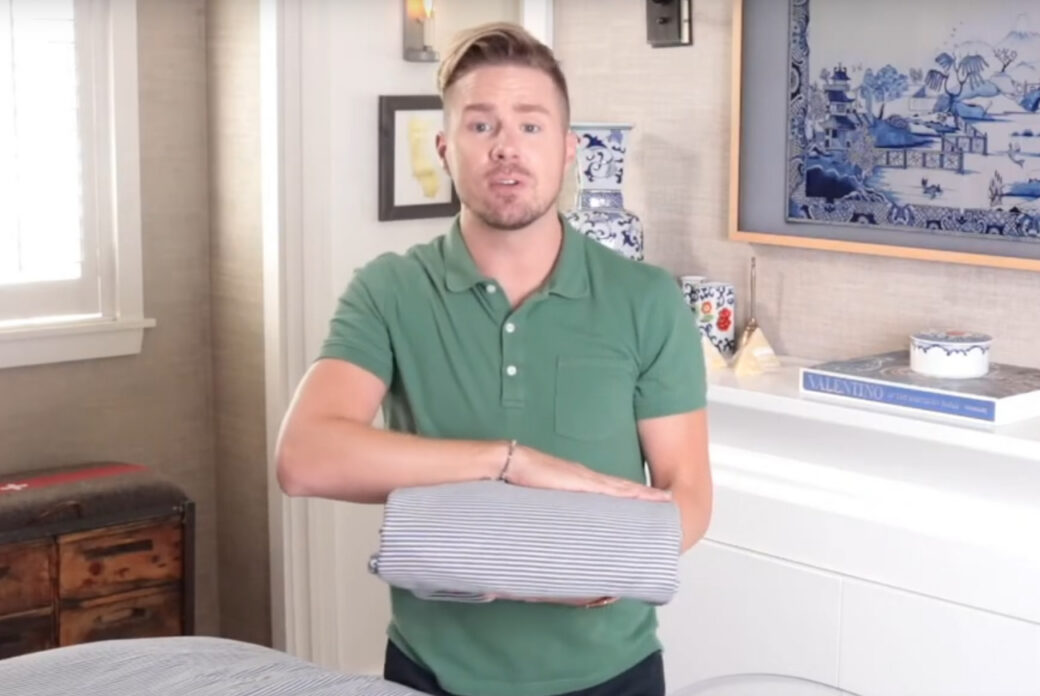
Understand the Challenge of Fitted Sheets
Fitted sheets can be notoriously tricky. Their elastic corners make it almost impossible to fold them like a regular sheet, and most people end up with a crumpled mess that takes up too much space. Recognizing why fitted sheets are difficult is the first step to mastering the fold. The key lies in managing those elastic corners properly. When corners are aligned and tucked neatly, the sheet behaves more like a flat piece of fabric, making the folding process much simpler.
Many people struggle with this because they try to fold the sheet in the same way as a flat sheet. Instead, understanding the unique structure of fitted sheets allows you to approach the task methodically, avoiding frustration and wasted time.
Prepare a Clean, Flat Surface
Before folding, lay the sheet on a clean, flat surface like a bed or large table. Make sure the fabric is free from wrinkles and tangles. Working on a spacious area helps you manipulate the corners without them getting twisted or caught underneath each other. Some people even prefer folding on the floor to have maximum room. This step may seem simple, but it is crucial: starting with a flat and clean surface prevents frustration and ensures that your folds are crisp and even.
Cleaning and organizing your workspace beforehand helps prevent accidents like dragging dirt onto the sheet or creating unnecessary folds that make the end result bulky.
Master the Corner-to-Corner Folding Technique
Pick up two adjacent corners and tuck one inside the other, so the elastic edges align. Repeat with the other two corners. This step transforms the sheet from an unruly, elastic shape into a manageable rectangle. Practice is key here: it may take a few attempts to get the corners perfectly nested, but once mastered, it significantly reduces the sheet’s bulk. The corner-to-corner method is a widely used technique among household professionals and saves a lot of stress in the long run.
Many households skip this technique, resulting in sheets that never lie flat. Mastering it ensures your sheets are tidy, compact, and ready for storage.
Smooth and Align the Edges Carefully
After the corners are tucked, lay the sheet down again and smooth the sides with your hands. Make sure all edges are straightened and aligned. Flatten any wrinkles, and ensure the sheet is forming a perfect rectangle. This step may take a minute, but it prevents uneven folds and keeps the finished product neat. Taking time here pays off when you place the sheet in the closet or linen drawer.
Even small misalignments can create bumps, making the sheet difficult to stack. Patience in smoothing edges ensures a professional-looking fold.
Fold into a Compact Rectangle
Once the edges are aligned, fold the sheet in halves or thirds, depending on your storage needs. Continue folding until it reaches a manageable size for your closet or drawer. Keeping folds compact helps save space and prevents the sheet from unfolding when removed from storage. Some people prefer rolling the sheet instead, which also works well for maintaining neatness. The choice depends on personal preference, but the rectangle fold is the most traditional and widely used.
Consistency in folding and storing sheets ensures your linen closet stays organized, making it easier to grab the right size sheet when needed.
Storage Tips to Keep Sheets Neat
Store folded sheets inside pillowcases or in designated linen drawers. Keeping sets together avoids mismatched bedding and reduces clutter. Stack sheets by size and type for easy access. Avoid overstuffing drawers, which can ruin the neat folds. Consider using labels if you have multiple sets of bedding. These storage strategies maintain the effort you’ve put into folding and prolong the life of your sheets.
Even with the perfect fold, careless storage can undo all your work. Simple organization habits make a big difference in maintaining an orderly linen closet.
Quick Hacks for Rushed Situations
For those moments when time is short, fold the sheet roughly and store it temporarily inside its matching pillowcase. This keeps it contained and prevents elastic corners from tangling. Another quick trick is rolling the sheet instead of folding it: it saves time and can still fit neatly in drawers. These shortcuts are useful for busy households or last-minute linen changes. While they may not produce the perfectly folded rectangle, they help maintain a tidy home efficiently.
Having these quick hacks in your repertoire ensures you can manage your linens effectively, even during hectic days, without sacrificing neatness entirely.
Tip: Nesting the corners first and smoothing edges afterward ensures a tidy, compact fold every time.